
ISSUE GUIDE
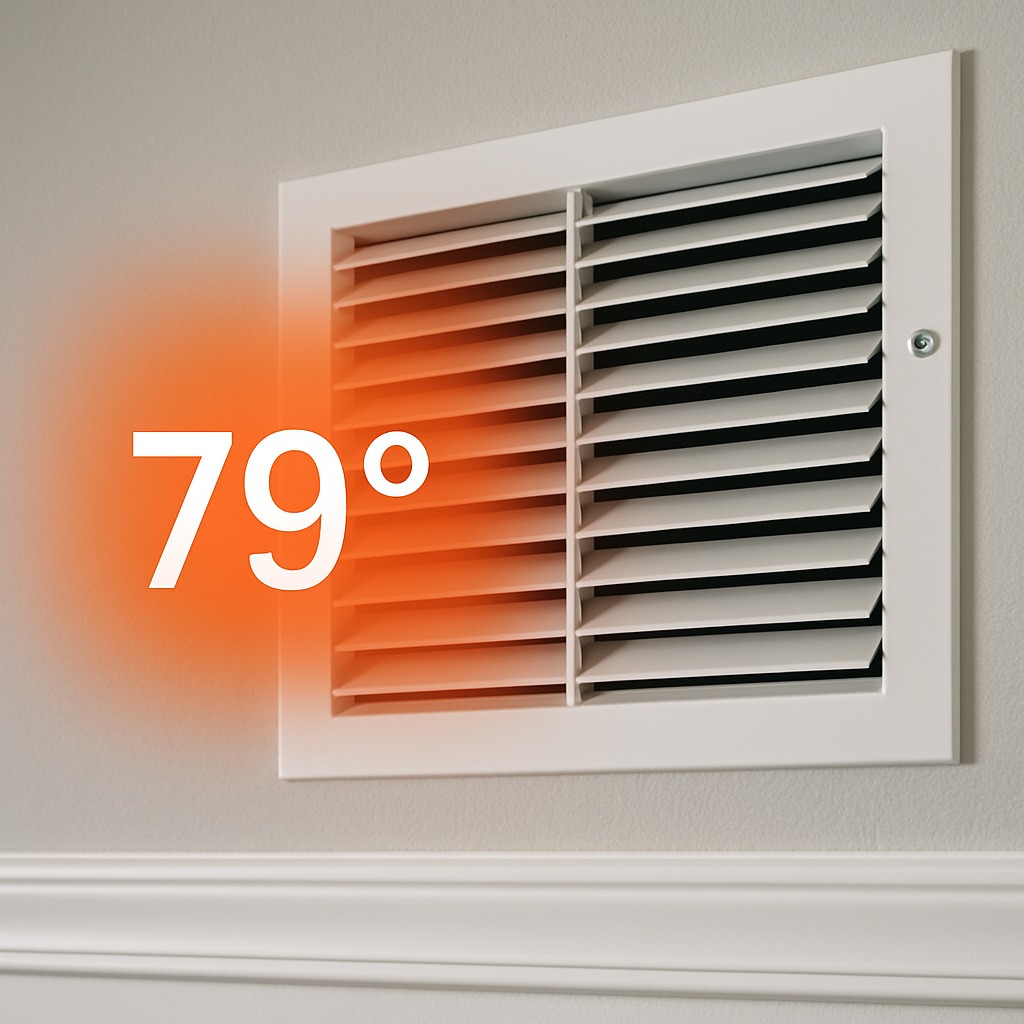
When your air conditioner starts blowing warm or room-temperature air on a hot day, it's more than an inconvenience — it's a signal that something in your cooling system has broken down or is operating outside of normal parameters. Most homeowners notice it the same way: they walk past a vent, feel air that should be cold, and realize the house just isn't getting any cooler despite the thermostat being set low. The air might feel slightly cool, completely neutral, or even warm to the touch. In some cases the system runs continuously without ever dropping the indoor temperature. This problem can stem from a surprisingly wide range of causes. On the simpler end, a clogged air filter or an incorrectly set thermostat can rob your system of its ability to cool. On the more serious end, a refrigerant leak, a failed compressor, or a frozen evaporator coil can shut down the cooling process entirely. The challenge is that many of these causes share the same symptom — warm air — making it hard to diagnose without knowing what to look for. The clue patterns matter here. If the air is warm only sometimes, the issue may be electrical or thermostat-related. If the outdoor unit is running but no cold air comes through, suspect refrigerant or compressor problems. If airflow feels weak along with being warm, a frozen coil or blocked filter is likely. If the system short-cycles — turning on and off rapidly — the refrigerant charge or a pressure switch may be the culprit. Ignoring warm air from your AC doesn't just mean discomfort. It can signal that your compressor is laboring under stress, which can turn a moderate repair into a full system replacement if left unaddressed. Acting quickly, even if just to do some basic checks, protects both your comfort and your investment.
Working on an air conditioning system carries real risks that homeowners must respect. Refrigerant is a pressurized chemical that can cause frostbite on contact with skin and is harmful if inhaled in a confined space — never attempt to handle, recharge, or inspect refrigerant lines beyond visual observation. Always shut the system off at both the thermostat and the circuit breaker before touching any component inside the air handler or near the outdoor condenser. Capacitors inside the outdoor unit store a lethal electrical charge even after power is disconnected — never open the condenser cabinet unless you are trained to safely discharge capacitors. If you smell burning plastic, electrical components, or a sharp chemical odor, shut the system off at the breaker immediately and vacate the area before investigating further. Do not attempt to chip or remove ice from a frozen evaporator coil with any tool — this can puncture the coil and release refrigerant. During extreme heat events, monitor household members closely for signs of heat exhaustion while waiting for repairs, and use fans and shaded rooms to manage temperature safely.
The single most common cause of an air conditioner blowing warm air is low refrigerant — either from a slow leak that has developed over months or from improper charging during a previous service visit. Refrigerant is the substance that actually absorbs heat from your indoor air and releases it outside. When the charge is low, the system loses its ability to transfer heat effectively, and the air coming from your vents gradually shifts from cold to neutral to warm. Because refrigerant doesn't get "used up" like fuel, low refrigerant always means there is a leak somewhere in the system. Simply recharging without finding and repairing the leak is a temporary fix that will leave you in the same situation within months.
When warm air is accompanied by other visible symptoms, those details reveal how far the problem has progressed. Ice on the refrigerant lines typically means the coil has been running in a starved-refrigerant or restricted-airflow condition long enough to freeze condensation solid — the coil itself may have been compromised. A continuously running system that never cools suggests the compressor may be operating but not building adequate pressure, which can indicate internal compressor wear. If the outdoor unit isn't running at all while the air handler fan runs, the problem likely lies with the contactor, capacitor, or compressor — components that often fail together as a system ages. Each of these visible symptoms is a window into what's happening inside sealed components that can't be seen without gauges and diagnostic tools.
Before calling a technician, there are several safe, no-tools-required observations you can make that will help you understand what's happening and give the pro a clearer picture when they arrive. Walk through this checklist carefully and note what you find.
Once you've completed your safe visual checks, there are several containment and preparation steps you can take right now to prevent the problem from getting worse and to set yourself up for a faster, less expensive repair. These steps are about damage control — not attempting a full fix.
Right now, go check your thermostat settings and replace your air filter — these two free fixes resolve the problem more often than you'd expect.
You should call a licensed HVAC technician any time your DIY checks don't point to an obvious fix like a clogged filter or wrong thermostat setting. Specifically, call a pro when the outdoor condenser unit is running but the air inside is still warm — this almost always means low refrigerant, a failing compressor, or a refrigerant metering device problem, none of which can be safely diagnosed or repaired without EPA-certified equipment and training. You also need a professional when ice is present on the refrigerant lines after the coil has been allowed to fully thaw, when the system short-cycles (turns on and off every few minutes), when you hear unusual sounds like grinding, hissing, or banging from either unit, or when you notice a chemical or burning smell coming from any vents or components. If your drain pan is full and the float switch has shut the system down, a technician should inspect the drain line and coil before you restart the system.
There are situations where urgency increases significantly and you should prioritize same-day service. If outdoor temperatures are above 95°F and you have elderly family members, infants, or anyone with a medical condition in the home, heat-related illness risk makes this an emergency call. A hissing or bubbling sound from the refrigerant lines combined with warm air is a strong indicator of an active refrigerant leak — refrigerants can be harmful in enclosed spaces and the leak will worsen over time. Any burning smell from the air handler or electrical components requires immediate shutdown of the system at the breaker and same-day professional evaluation to rule out fire hazard.
You should call a licensed HVAC technician any time your DIY checks don't point to an obvious fix like a clogged filter or wrong thermostat setting. Specifically, call a pro when the outdoor condenser unit is running but the air inside is still warm — this almost always means low refrigerant, a failing compressor, or a refrigerant metering device problem, none of which can be safely diagnosed or repaired without EPA-certified equipment and training. You also need a professional when ice is present on the refrigerant lines after the coil has been allowed to fully thaw, when the system short-cycles (turns on and off every few minutes), when you hear unusual sounds like grinding, hissing, or banging from either unit, or when you notice a chemical or burning smell coming from any vents or components. If your drain pan is full and the float switch has shut the system down, a technician should inspect the drain line and coil before you restart the system.
There are situations where urgency increases significantly and you should prioritize same-day service. If outdoor temperatures are above 95°F and you have elderly family members, infants, or anyone with a medical condition in the home, heat-related illness risk makes this an emergency call. A hissing or bubbling sound from the refrigerant lines combined with warm air is a strong indicator of an active refrigerant leak — refrigerants can be harmful in enclosed spaces and the leak will worsen over time. Any burning smell from the air handler or electrical components requires immediate shutdown of the system at the breaker and same-day professional evaluation to rule out fire hazard.
You should call a licensed HVAC technician any time your DIY checks don't point to an obvious fix like a clogged filter or wrong thermostat setting. Specifically, call a pro when the outdoor condenser unit is running but the air inside is still warm — this almost always means low refrigerant, a failing compressor, or a refrigerant metering device problem, none of which can be safely diagnosed or repaired without EPA-certified equipment and training. You also need a professional when ice is present on the refrigerant lines after the coil has been allowed to fully thaw, when the system short-cycles (turns on and off every few minutes), when you hear unusual sounds like grinding, hissing, or banging from either unit, or when you notice a chemical or burning smell coming from any vents or components. If your drain pan is full and the float switch has shut the system down, a technician should inspect the drain line and coil before you restart the system.
There are situations where urgency increases significantly and you should prioritize same-day service. If outdoor temperatures are above 95°F and you have elderly family members, infants, or anyone with a medical condition in the home, heat-related illness risk makes this an emergency call. A hissing or bubbling sound from the refrigerant lines combined with warm air is a strong indicator of an active refrigerant leak — refrigerants can be harmful in enclosed spaces and the leak will worsen over time. Any burning smell from the air handler or electrical components requires immediate shutdown of the system at the breaker and same-day professional evaluation to rule out fire hazard.