
ISSUE GUIDE
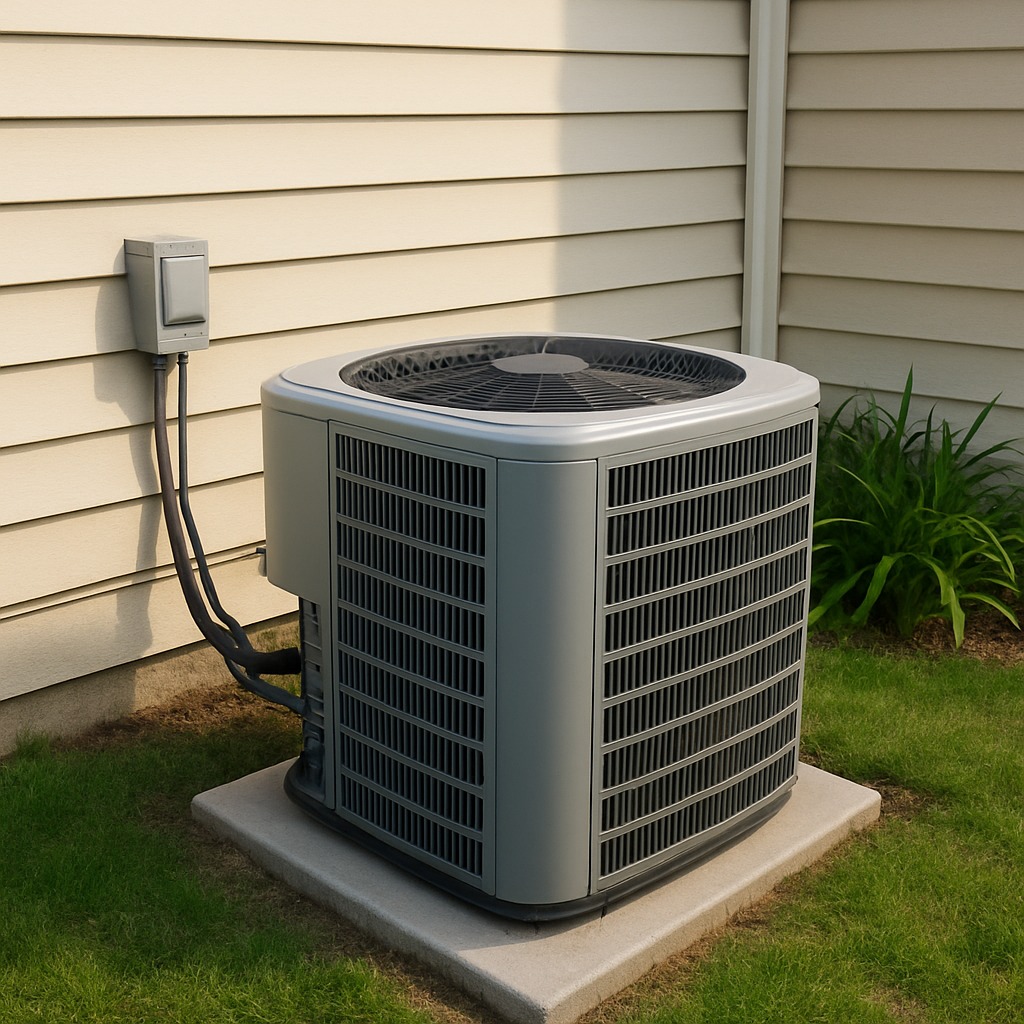
Few home comfort failures feel as alarming as stepping inside on a sweltering summer day and realizing your air conditioner simply won't respond. No hum, no click, no rush of cool air — just silence. When an AC unit refuses to turn on at all, it tells a different story than a system that runs but underperforms. This is a complete shutdown, and understanding why it happens is the first step toward fixing it. The causes range from surprisingly simple — a tripped circuit breaker or a thermostat with dead batteries — to more serious issues like a failed capacitor, a burned-out contactor, or a locked compressor motor. The system's refusal to start is actually a clue in itself. Modern AC units have built-in safety mechanisms that shut the system down when they detect conditions that could cause further damage. So while a completely unresponsive unit is frustrating, it may be protecting itself from a costlier failure. Homeowners typically notice the problem in one of a few ways: the thermostat appears to be set correctly but nothing happens, the outdoor unit is completely silent while the indoor air handler also fails to respond, or the system was working fine and then stopped suddenly after a power event like a storm or a brief outage. Sometimes homeowners notice the thermostat display is blank or flickering, which points toward an electrical supply issue. Other times the display looks normal, the set temperature is clearly calling for cooling, but the equipment never engages. Pay attention to whether the indoor air handler, outdoor condenser, or both are failing to start, since that distinction helps narrow the likely cause considerably. Prompt attention matters because heat and humidity buildup can stress other home systems and, in households with vulnerable individuals, create genuine health risks.
Working around air conditioning equipment involves real electrical hazards that homeowners should respect firmly. The outdoor condenser unit contains capacitors that store a lethal charge of electricity even when the system's circuit breaker is turned off — these components can discharge suddenly if touched and have caused serious injuries to untrained individuals. Never open the access panel on your outdoor unit or indoor air handler for any reason. The disconnect box near your outdoor unit is designed for technician use and should only be pulled by a qualified professional. If you smell burning near any part of the system, do not attempt to investigate the source yourself — turn the breaker off and keep distance. Carbon monoxide is not a risk specific to AC equipment, but if your home also has gas heating components in a combined system, any unusual smells warrant caution. High-voltage wiring inside air handlers can remain energized even when the thermostat is off, because power enters the unit before the control board. If your system is located in a confined space like an attic or crawlspace, the combination of heat, limited egress, and potential electrical hazard makes amateur investigation particularly risky. Limit yourself to the external visual checks described in this guide and trust internal repairs entirely to licensed professionals.
The single most common reason a central air conditioner stops turning on entirely is a failed run capacitor in the outdoor condenser unit. Capacitors are cylindrical electrical components that provide the startup energy jolt the compressor and fan motors need to begin running. They degrade gradually over years of thermal stress — the outdoor unit bakes in summer heat while running hard — until one day they simply can't deliver enough charge to get the motors moving. When this happens, the system may hum briefly as it tries to start, or it may be completely silent. A failed capacitor is one of the more affordable AC repairs, typically costing between $150 and $400 including labor, and a skilled technician can diagnose and replace it within an hour. The second most common cause is a failed contactor, which is an electrically-controlled switch that connects high-voltage power to the compressor and fan when the thermostat calls for cooling — these wear out from the constant pitting and arcing of normal operation and are similarly straightforward to replace.
When the visible symptom is a system that won't start at all, it's worth understanding what that complete shutdown may indicate about the broader condition of the equipment. In some cases, the safety shutoff that's preventing startup is actually doing its job — protecting a compressor that has already been damaged by low refrigerant levels, prolonged overheating, or years of deferred maintenance. A technician who diagnoses a failed capacitor may also find refrigerant undercharge, corroded electrical connections, or a compressor drawing abnormally high amperage — signs that replacing the capacitor alone won't return the system to reliable operation. This is why a thorough diagnostic evaluation matters as much as the immediate repair, particularly on systems older than ten years where multiple components may be approaching end of life simultaneously.
Before calling anyone or touching any equipment, there are several straightforward observations you can make from a safe distance that will help you understand what's happening and give a technician valuable information when you do call. These checks require no tools, no disassembly, and no technical knowledge — just careful attention to what you can see, hear, and feel around your system.
These steps aren't about repairing your AC — they're about safely addressing the things within your control, preventing secondary damage while you wait for professional help, and documenting the situation so a technician can work efficiently. Approach these as protective measures, not fixes, and stop immediately if anything seems unsafe or if you smell burning or notice visible damage.
Check your thermostat settings and circuit breaker right now — these two simple checks resolve a significant percentage of no-start AC complaints before any technician visit is needed.
You should contact a licensed HVAC technician when your basic checks — thermostat settings, circuit breakers, filter condition, and drain pan — all appear normal but the system still refuses to start. This points toward internal electrical or mechanical failures that require specialized diagnostic tools and EPA-certified handling. Specifically, call a pro if you hear a humming or buzzing sound from the outdoor unit without the fan or compressor actually starting, which typically indicates a failed capacitor or contactor. Call if the system briefly attempts to start and then immediately shuts off, a behavior called short cycling that stresses the compressor and worsens with each attempt. If your thermostat is blank despite confirmed power to the system, if you notice a burning smell near the air handler or outdoor unit, or if a breaker trips repeatedly when reset, these are all situations that go well beyond homeowner troubleshooting and require professional electrical diagnosis and repair.
Some situations warrant faster response and should be treated as urgent rather than routine scheduling. If outdoor temperatures are extreme — above 95°F or in regions with high humidity — and household members include elderly individuals, infants, people with heart or respiratory conditions, or pets, the absence of cooling becomes a health concern within hours, not days. Similarly, if you notice scorch marks, melted wiring insulation near the unit, or the distinct smell of burning plastic or electrical components, turn the system's breaker to OFF immediately and call for emergency HVAC service rather than waiting for a standard appointment. A compressor that has seized can also cause connected electrical components to overheat, so don't assume a completely silent system is a safe one to leave unattended for extended periods.
You should contact a licensed HVAC technician when your basic checks — thermostat settings, circuit breakers, filter condition, and drain pan — all appear normal but the system still refuses to start. This points toward internal electrical or mechanical failures that require specialized diagnostic tools and EPA-certified handling. Specifically, call a pro if you hear a humming or buzzing sound from the outdoor unit without the fan or compressor actually starting, which typically indicates a failed capacitor or contactor. Call if the system briefly attempts to start and then immediately shuts off, a behavior called short cycling that stresses the compressor and worsens with each attempt. If your thermostat is blank despite confirmed power to the system, if you notice a burning smell near the air handler or outdoor unit, or if a breaker trips repeatedly when reset, these are all situations that go well beyond homeowner troubleshooting and require professional electrical diagnosis and repair.
Some situations warrant faster response and should be treated as urgent rather than routine scheduling. If outdoor temperatures are extreme — above 95°F or in regions with high humidity — and household members include elderly individuals, infants, people with heart or respiratory conditions, or pets, the absence of cooling becomes a health concern within hours, not days. Similarly, if you notice scorch marks, melted wiring insulation near the unit, or the distinct smell of burning plastic or electrical components, turn the system's breaker to OFF immediately and call for emergency HVAC service rather than waiting for a standard appointment. A compressor that has seized can also cause connected electrical components to overheat, so don't assume a completely silent system is a safe one to leave unattended for extended periods.
You should contact a licensed HVAC technician when your basic checks — thermostat settings, circuit breakers, filter condition, and drain pan — all appear normal but the system still refuses to start. This points toward internal electrical or mechanical failures that require specialized diagnostic tools and EPA-certified handling. Specifically, call a pro if you hear a humming or buzzing sound from the outdoor unit without the fan or compressor actually starting, which typically indicates a failed capacitor or contactor. Call if the system briefly attempts to start and then immediately shuts off, a behavior called short cycling that stresses the compressor and worsens with each attempt. If your thermostat is blank despite confirmed power to the system, if you notice a burning smell near the air handler or outdoor unit, or if a breaker trips repeatedly when reset, these are all situations that go well beyond homeowner troubleshooting and require professional electrical diagnosis and repair.
Some situations warrant faster response and should be treated as urgent rather than routine scheduling. If outdoor temperatures are extreme — above 95°F or in regions with high humidity — and household members include elderly individuals, infants, people with heart or respiratory conditions, or pets, the absence of cooling becomes a health concern within hours, not days. Similarly, if you notice scorch marks, melted wiring insulation near the unit, or the distinct smell of burning plastic or electrical components, turn the system's breaker to OFF immediately and call for emergency HVAC service rather than waiting for a standard appointment. A compressor that has seized can also cause connected electrical components to overheat, so don't assume a completely silent system is a safe one to leave unattended for extended periods.