
ISSUE GUIDE
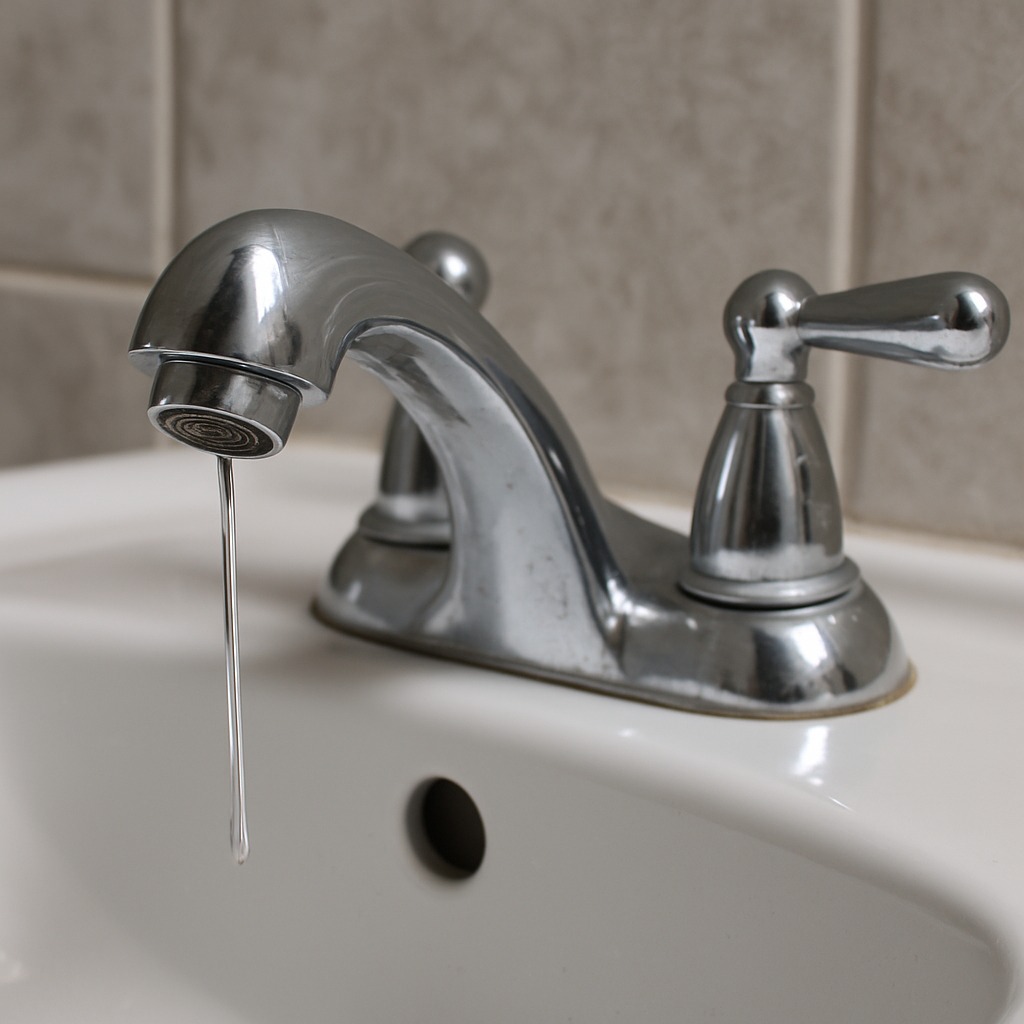
When you turn on your bathroom faucet and nothing comes out — not even a trickle — it's unsettling, and for good reason. A complete loss of water flow isn't just an inconvenience; it signals something has gone wrong somewhere in your plumbing system, and ignoring it can lead to bigger, costlier problems down the road. Homeowners typically notice this issue first thing in the morning or after returning from a trip. You turn the handle, expect the familiar rush of water, and instead get silence. Sometimes there's a faint hissing or vibration, but no flow. Other times the faucet feels stiffer than usual, or you notice the water was fine yesterday but has completely stopped today. The causes range from simple to serious. On the simple end, a shut-off valve under the sink may have been accidentally closed — perhaps during a cleaning session or a recent repair. Frozen pipes are another common culprit during winter months, especially in bathrooms on exterior walls. A clogged aerator screen can restrict flow so severely it mimics a complete shutoff. More seriously, the problem could stem from a failed cartridge or valve stem inside the faucet, a burst pipe somewhere in the wall, or a pressure issue affecting your whole home's water supply. Clue patterns worth noting: If the problem is isolated to one faucet, the issue is likely local — a closed valve, clogged aerator, or internal faucet failure. If no faucets in the house work, suspect a main supply issue, a frozen line, or a municipal water interruption. If only hot water is absent, your water heater or its shutoff valve may be the source. This issue deserves prompt attention regardless of its cause. Even a slow-developing problem can escalate into water damage, mold growth, or a plumbing emergency that costs far more to fix than the original issue.
Never attempt to force open a shut-off valve that feels stuck, corroded, or unusually stiff. Applying too much pressure can break the valve stem or cause the valve body to crack, resulting in an immediate and uncontrolled water release that can flood your bathroom within minutes. If you cannot turn a valve easily by hand, leave it as is and call a plumber. If you suspect frozen pipes, never use a propane torch, heat gun, or any open-flame device to thaw them. This is a leading cause of house fires and can also cause pipes to burst from rapid thermal expansion. Stick to warm towels, low-heat electric heating pads, or a hair dryer on the lowest setting, and only on pipes you can clearly see and safely reach. Avoid working under the sink if you notice any signs of mold, black spotting, or a strong musty odor — these indicate a past moisture issue that may involve hidden structural damage or air quality concerns requiring professional evaluation. If you live in an older home and notice chalky white or blue-green residue around shut-off valves or pipe fittings, this indicates corrosion. Corroded plumbing components can fail unpredictably when disturbed. Treat them with extra caution and involve a licensed plumber before attempting any hands-on checks.
In the majority of cases, a bathroom faucet with no water comes down to one of three very common causes: a shut-off valve that was accidentally closed or has failed in the closed position, a severely clogged aerator restricting all flow, or a worn-out internal faucet cartridge that has seized or broken. The cartridge is the internal component that controls water flow and mixing — over time, mineral deposits, rubber degradation, and simple wear can cause it to fail completely, cutting off water rather than just reducing it. This is especially common in faucets that are more than ten years old, in homes with hard water, or in faucets that have gone through years of heavy daily use. The good news is that a cartridge replacement is a relatively straightforward repair when performed by a licensed plumber, and it typically restores full function without needing to replace the entire fixture.
Before calling a plumber or touching any tools, there are several safe, no-risk observations you can make right now to help narrow down the cause of your bathroom faucet having no water. These checks require nothing more than your eyes, hands, and a few minutes of careful attention — and the information you gather will be valuable whether you end up fixing this yourself or describing the problem to a professional.
While a complete faucet repair may require a licensed plumber, there are several smart, safe damage-control steps you can take right now to contain the situation, protect your home, and prepare for a professional visit if needed. These steps are about managing the problem — not fixing it — and can prevent small issues from becoming expensive emergencies.
Right now, check both shut-off valves beneath your sink to confirm they are fully open before anything else.
You should call a licensed plumber promptly if your safe checks haven't identified an obvious cause like a closed valve or clogged aerator, if multiple faucets throughout the home have lost water pressure or flow, or if you suspect a frozen or burst pipe. A faucet with no water can indicate serious internal failures — a cracked cartridge, a failed pressure-balancing valve, or a compromised supply line inside the wall — that require professional tools and expertise to diagnose and fix correctly. If you attempted to turn a shut-off valve and it wouldn't move, felt loose, or began leaking when touched, stop immediately and call a plumber before doing anything else. Valve failure during an attempted repair can lead to an uncontrolled leak or flooding. Homeowners who have recently had any plumbing work done should also contact a pro, as a fitting may have been improperly secured or a valve left in the wrong position.
Certain situations demand urgent professional attention — don't wait and watch. If you notice water stains on the ceiling, walls, or floor near the affected bathroom, a pipe may have already burst or is leaking inside the structure. If you hear rushing water inside a wall even though the faucet is off, that's an active hidden leak and every minute counts. A sudden drop in water pressure across the entire home paired with no visible cause can signal a main line break or serious municipal connection issue. In freezing temperatures, a pipe that has frozen and not yet thawed can rupture without warning, releasing gallons of water into your walls and subfloor. These are not wait-until-Monday situations — call a licensed plumber immediately.
You should call a licensed plumber promptly if your safe checks haven't identified an obvious cause like a closed valve or clogged aerator, if multiple faucets throughout the home have lost water pressure or flow, or if you suspect a frozen or burst pipe. A faucet with no water can indicate serious internal failures — a cracked cartridge, a failed pressure-balancing valve, or a compromised supply line inside the wall — that require professional tools and expertise to diagnose and fix correctly. If you attempted to turn a shut-off valve and it wouldn't move, felt loose, or began leaking when touched, stop immediately and call a plumber before doing anything else. Valve failure during an attempted repair can lead to an uncontrolled leak or flooding. Homeowners who have recently had any plumbing work done should also contact a pro, as a fitting may have been improperly secured or a valve left in the wrong position.
Certain situations demand urgent professional attention — don't wait and watch. If you notice water stains on the ceiling, walls, or floor near the affected bathroom, a pipe may have already burst or is leaking inside the structure. If you hear rushing water inside a wall even though the faucet is off, that's an active hidden leak and every minute counts. A sudden drop in water pressure across the entire home paired with no visible cause can signal a main line break or serious municipal connection issue. In freezing temperatures, a pipe that has frozen and not yet thawed can rupture without warning, releasing gallons of water into your walls and subfloor. These are not wait-until-Monday situations — call a licensed plumber immediately.
You should call a licensed plumber promptly if your safe checks haven't identified an obvious cause like a closed valve or clogged aerator, if multiple faucets throughout the home have lost water pressure or flow, or if you suspect a frozen or burst pipe. A faucet with no water can indicate serious internal failures — a cracked cartridge, a failed pressure-balancing valve, or a compromised supply line inside the wall — that require professional tools and expertise to diagnose and fix correctly. If you attempted to turn a shut-off valve and it wouldn't move, felt loose, or began leaking when touched, stop immediately and call a plumber before doing anything else. Valve failure during an attempted repair can lead to an uncontrolled leak or flooding. Homeowners who have recently had any plumbing work done should also contact a pro, as a fitting may have been improperly secured or a valve left in the wrong position.
Certain situations demand urgent professional attention — don't wait and watch. If you notice water stains on the ceiling, walls, or floor near the affected bathroom, a pipe may have already burst or is leaking inside the structure. If you hear rushing water inside a wall even though the faucet is off, that's an active hidden leak and every minute counts. A sudden drop in water pressure across the entire home paired with no visible cause can signal a main line break or serious municipal connection issue. In freezing temperatures, a pipe that has frozen and not yet thawed can rupture without warning, releasing gallons of water into your walls and subfloor. These are not wait-until-Monday situations — call a licensed plumber immediately.