
ISSUE GUIDE
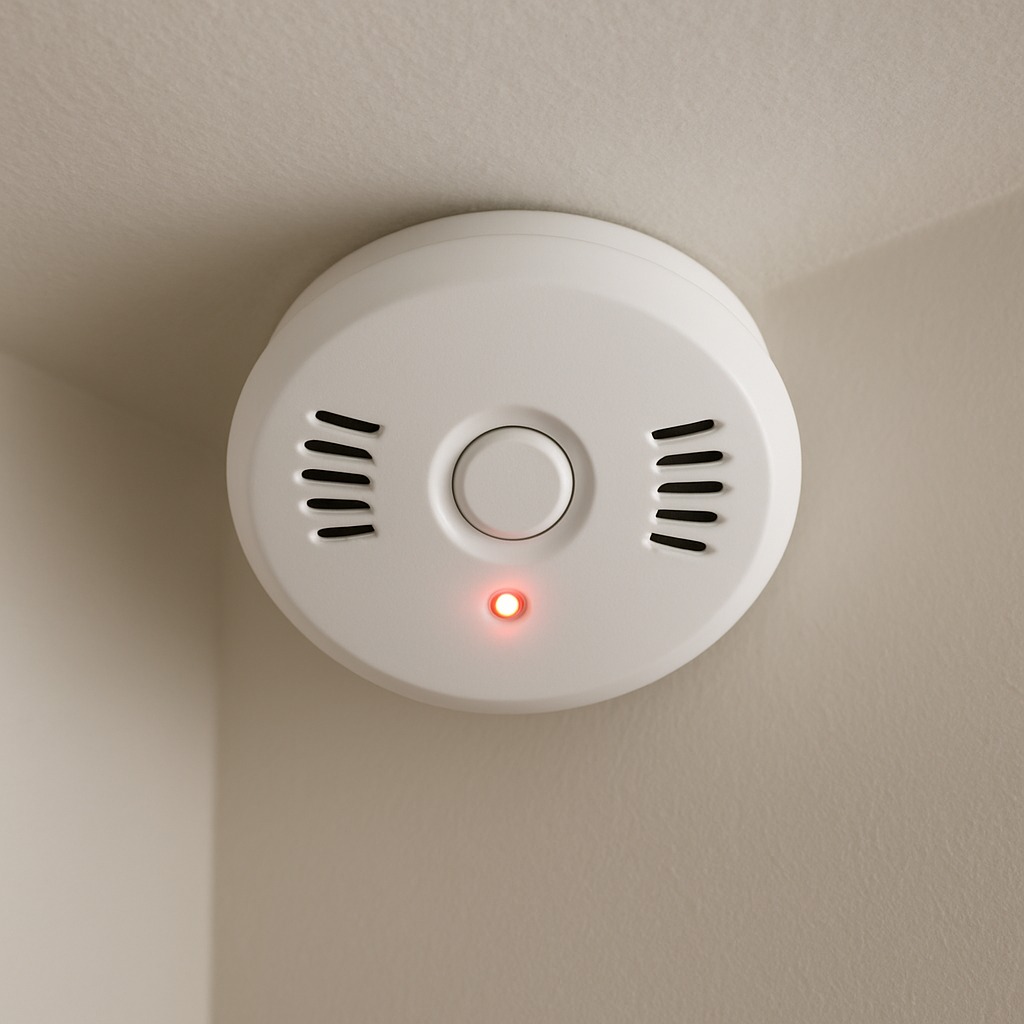
A carbon monoxide detector beeping in your home is one of those sounds you should never dismiss or simply silence without investigation. Unlike a smoke alarm that responds to visible combustion, a carbon monoxide detector is warning you about an invisible, odorless, colorless gas that can reach dangerous concentrations before you feel any physical symptoms. When your detector activates, it could mean anything from a low battery condition to a genuine life-threatening CO leak somewhere in your home's heating system, gas appliances, or ventilation network. Homeowners typically notice the issue in one of a few distinct patterns. A single chirp every 30 to 60 seconds usually points to a dying battery or end-of-life unit. Four rapid beeps repeating in a cycle is the standard alarm pattern indicating detected carbon monoxide in the air — this is the emergency pattern and demands immediate action. A continuous beep or unusual sequence may indicate a sensor malfunction or unit failure. The timing and location of the beeping offer important diagnostic clues. If the detector chirps only at night, temperature drops could be affecting a marginal battery. If it alarms shortly after starting your furnace, fireplace, or attached garage vehicle, the connection to combustion appliances becomes immediately suspect. Multiple detectors alarming simultaneously, or alarms triggering in rooms close to your mechanical room or garage, significantly raise the probability of an actual CO event rather than a false alert. This issue deserves prompt, serious attention because carbon monoxide poisoning progresses from headache and nausea to confusion, unconsciousness, and death with frightening speed at elevated concentrations. Even at lower levels, prolonged exposure causes lasting neurological damage. Understanding what pattern your detector is showing and responding appropriately could genuinely be the difference between a minor inconvenience and a life-threatening emergency.
Carbon monoxide is produced by incomplete combustion in furnaces, boilers, water heaters, gas ranges, fireplaces, wood stoves, generators, and vehicle engines. It binds to hemoglobin in your blood roughly 200 times more readily than oxygen, meaning your body absorbs it quickly and releases it slowly. At concentrations above 150 parts per million, confusion and loss of consciousness can occur within two hours. At concentrations above 400 ppm, exposure is potentially fatal within three hours. Never use portable generators, camp stoves, charcoal grills, or gasoline-powered tools indoors or in an attached garage under any circumstances, including during power outages. Do not idle your vehicle in an attached garage even with the garage door open — CO concentrations can build in the living space faster than many homeowners expect. If you have been exposed and feel symptoms, get fresh air immediately and seek medical evaluation even if symptoms seem mild, because CO poisoning is frequently underdiagnosed and misattributed to flu. Do not re-enter a home that triggered a CO alarm without professional clearance, regardless of whether symptoms are present.
The most common cause of a carbon monoxide detector alarm in a residential home is a cracked or failed heat exchanger in a gas or oil furnace. The heat exchanger is the internal component that separates combustion gases from the heated air that circulates through your home. When it develops cracks — which happens over years of thermal stress from repeated heating and cooling cycles — exhaust gases including carbon monoxide migrate into the airstream and get distributed throughout the living space every time the blower runs. This problem is particularly insidious because the furnace continues to operate normally in every other respect. It heats the home, cycles on and off correctly, and shows no obvious external signs of failure while silently contaminating the air. Heat exchanger failure is most common in furnaces that are fifteen years or older, have experienced improper airflow due to clogged filters, or have been operating with oversized or undersized ductwork for extended periods.
What a CO alarm event tells you about the hidden condition of your heating system is often more significant than the alarm itself. A furnace heat exchanger that has cracked enough to trigger a detector has typically been developing stress fractures over one to three heating seasons before detection. This means associated components — the secondary heat exchanger in high-efficiency units, the inducer motor, the flue collar connections, and nearby venting — have also been operating under compromised conditions and should be evaluated simultaneously. In some cases, the CO source is not the furnace at all but a water heater, gas fireplace insert, or venting system that shares a common flue chase. A technician performing a proper post-alarm investigation will test all combustion appliances and trace venting pathways rather than limiting inspection to the most obvious suspect.
Before touching anything or attempting any fixes, your first priority is gathering information without putting yourself at risk. These observations require no tools, no disassembly, and no contact with appliances or wiring. Pay close attention to the exact beep pattern you are hearing, the location of the alarm, and any physical sensations you or your family members are experiencing, because these details will either confirm this is a battery or sensor issue or escalate it to an emergency requiring immediate evacuation.
These steps are not repairs — they are damage-control and safety measures designed to protect your household and set up a professional inspection for success. The guiding principle here is simple: treat the four-beep CO alarm pattern as a real emergency every single time until a professional confirms otherwise. Convenience and the desire to avoid a false alarm call are never worth gambling with carbon monoxide exposure. Follow these steps in order and do not skip or rearrange them based on assumptions about what is causing the alarm.
Step outside immediately with all household members and call 911 if your detector is sounding the four-beep repeating alarm pattern right now.
You should contact a licensed HVAC technician any time a carbon monoxide detector emits the four-beep emergency alarm pattern, even after emergency responders have cleared the immediate danger. First responders confirm safety but typically do not diagnose the root cause of CO production. A qualified technician needs to inspect your furnace heat exchanger for cracks, examine flue pipes and venting for blockages or disconnections, test combustion appliance draft and backdrafting conditions, and perform a combustion analysis to measure actual CO output at each appliance. You should also call a pro if your detector has triggered multiple alarm events over recent weeks even if each one seemed brief or inconclusive, if you replaced the battery and the unit continues chirping, or if you have noticed any unexplained physical symptoms such as recurring headaches or fatigue that resolve when you leave the home. These patterns suggest chronic low-level exposure that standard emergency response may miss entirely.
Certain circumstances demand faster professional response with same-day or emergency service priority. If your detector alarmed while your furnace was actively running during cold weather, a cracked heat exchanger — the most dangerous and common serious source of residential CO — should be considered until ruled out. If you have a fuel-burning appliance that was recently serviced, installed, or restarted after a long dormant period and the alarm followed shortly after, improper setup or venting failure is a real possibility. Elderly residents, infants, pregnant individuals, or anyone with cardiovascular or respiratory conditions in the household face significantly greater risk from even low-level CO exposure and warrant a more urgent professional response timeline. Do not wait for a convenient appointment if any of these factors apply.
You should contact a licensed HVAC technician any time a carbon monoxide detector emits the four-beep emergency alarm pattern, even after emergency responders have cleared the immediate danger. First responders confirm safety but typically do not diagnose the root cause of CO production. A qualified technician needs to inspect your furnace heat exchanger for cracks, examine flue pipes and venting for blockages or disconnections, test combustion appliance draft and backdrafting conditions, and perform a combustion analysis to measure actual CO output at each appliance. You should also call a pro if your detector has triggered multiple alarm events over recent weeks even if each one seemed brief or inconclusive, if you replaced the battery and the unit continues chirping, or if you have noticed any unexplained physical symptoms such as recurring headaches or fatigue that resolve when you leave the home. These patterns suggest chronic low-level exposure that standard emergency response may miss entirely.
Certain circumstances demand faster professional response with same-day or emergency service priority. If your detector alarmed while your furnace was actively running during cold weather, a cracked heat exchanger — the most dangerous and common serious source of residential CO — should be considered until ruled out. If you have a fuel-burning appliance that was recently serviced, installed, or restarted after a long dormant period and the alarm followed shortly after, improper setup or venting failure is a real possibility. Elderly residents, infants, pregnant individuals, or anyone with cardiovascular or respiratory conditions in the household face significantly greater risk from even low-level CO exposure and warrant a more urgent professional response timeline. Do not wait for a convenient appointment if any of these factors apply.
You should contact a licensed HVAC technician any time a carbon monoxide detector emits the four-beep emergency alarm pattern, even after emergency responders have cleared the immediate danger. First responders confirm safety but typically do not diagnose the root cause of CO production. A qualified technician needs to inspect your furnace heat exchanger for cracks, examine flue pipes and venting for blockages or disconnections, test combustion appliance draft and backdrafting conditions, and perform a combustion analysis to measure actual CO output at each appliance. You should also call a pro if your detector has triggered multiple alarm events over recent weeks even if each one seemed brief or inconclusive, if you replaced the battery and the unit continues chirping, or if you have noticed any unexplained physical symptoms such as recurring headaches or fatigue that resolve when you leave the home. These patterns suggest chronic low-level exposure that standard emergency response may miss entirely.
Certain circumstances demand faster professional response with same-day or emergency service priority. If your detector alarmed while your furnace was actively running during cold weather, a cracked heat exchanger — the most dangerous and common serious source of residential CO — should be considered until ruled out. If you have a fuel-burning appliance that was recently serviced, installed, or restarted after a long dormant period and the alarm followed shortly after, improper setup or venting failure is a real possibility. Elderly residents, infants, pregnant individuals, or anyone with cardiovascular or respiratory conditions in the household face significantly greater risk from even low-level CO exposure and warrant a more urgent professional response timeline. Do not wait for a convenient appointment if any of these factors apply.