
ISSUE GUIDE
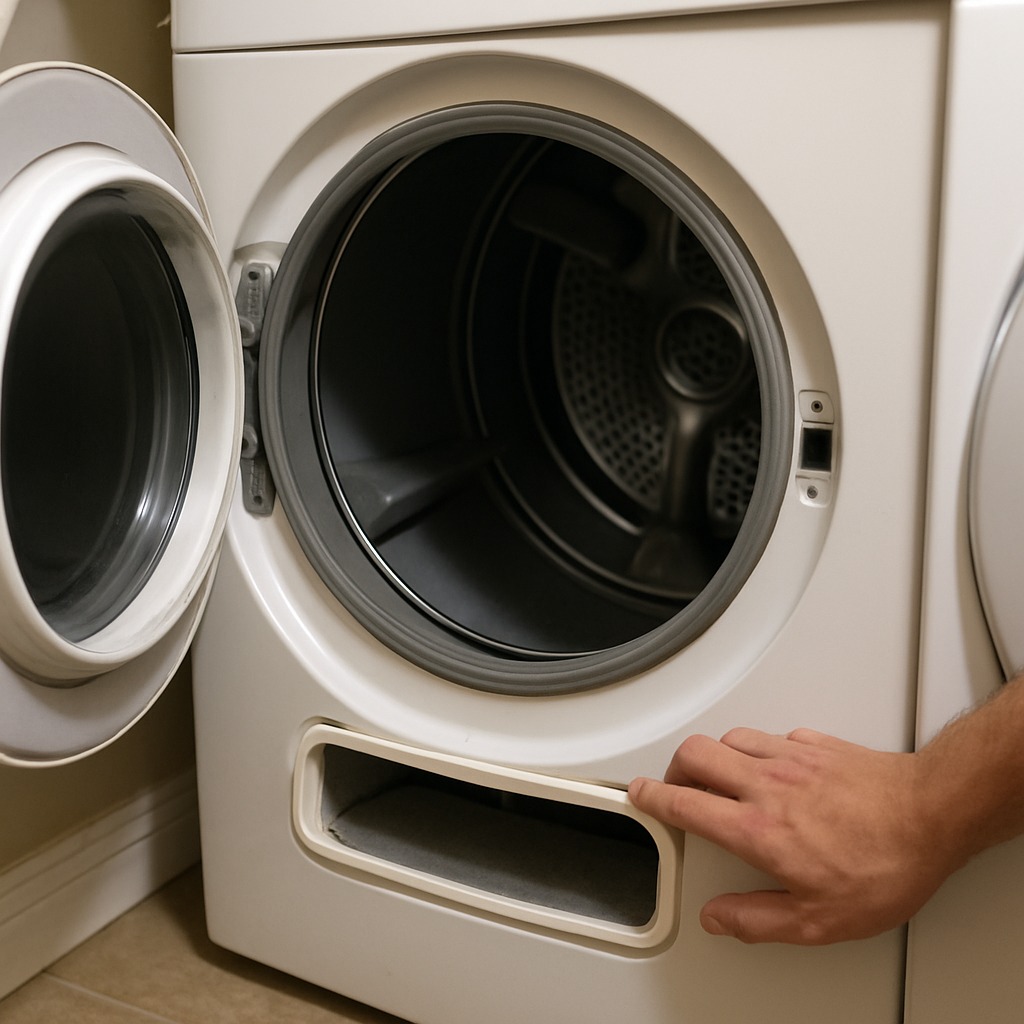
A dryer that runs but produces no heat is one of the most frustrating laundry room problems a homeowner can face. You toss in a wet load, come back an hour later, and everything is still damp — or worse, cold. This issue is more common than most people realize, and it can stem from several different causes depending on whether you have a gas or electric dryer. The first thing most homeowners notice is that the drum is spinning normally, the timer is counting down, and the machine sounds fine — but clothes simply aren't drying. Sometimes there's a faint musty smell from damp fabric sitting too long. In gas dryers, you might notice the igniter clicking without the burner ever catching. In electric dryers, the interior may feel lukewarm instead of hot, or completely room temperature throughout the cycle. This matters beyond the inconvenience of wet laundry. A dryer working harder than it should — running multiple cycles without success — drives up your energy bill significantly. More importantly, certain causes of no-heat situations, like a partially clogged exhaust vent, can create a fire hazard as lint accumulates in places it shouldn't. A failed thermal fuse, a faulty heating element, a tripped circuit breaker, a malfunctioning thermostat, or a blocked vent can all be responsible. The pattern of how the problem started matters too. Did it happen suddenly after a long cycle? That points toward a thermal fuse. Has it been gradually getting worse? Vent blockage is likely. Did it start right after a power outage? Check your breaker first. Did it begin when the weather turned cold? Gas supply or igniter issues are worth investigating. Understanding these clues helps narrow the cause — and helps you communicate clearly with a professional if one is needed.
Never attempt to test a dryer's heating element, thermal fuse, or igniter while the unit is plugged in or connected to gas. Electric dryers run on 240 volts — more than enough to cause a fatal shock — and standard household circuit testers are not sufficient protection for internal component work. If you smell gas at any point during your inspection, stop everything immediately: leave the house, leave the door open, avoid operating any electrical switches, and call your gas utility's emergency line from outside before contacting a repair professional. Do not attempt to relight a gas dryer's pilot or burner yourself. For electric dryers, always unplug the unit completely before removing any panels — turning it off at the control panel is not enough, as internal components can remain energized. Keep children and pets out of the area during any inspection. Avoid using the dryer with the exhaust duct disconnected even for a test cycle, as this vents hot, moist, lint-laden air directly into your home and creates both a fire and air quality hazard. If the dryer cabinet is hot to the touch on the outside during a cycle, treat that as a serious warning sign and do not operate it again until a professional has inspected it.
The most common cause of a dryer that runs but won't heat is a blown thermal fuse. This small, inexpensive safety component is designed to fail permanently when the dryer overheats — typically because of a restricted exhaust vent — cutting off power to the heating circuit to prevent a fire. Once a thermal fuse blows, it must be replaced; it does not reset itself. The important thing to understand is that replacing the fuse alone without clearing the underlying vent blockage almost guarantees the new fuse will blow again, often within weeks. In electric dryers, a failed heating element is the second most common culprit, and in gas dryers, a worn igniter or faulty gas valve solenoid takes that position. Thermostat failures — both cycling and high-limit thermostats — are also frequent causes that are often overlooked because they mimic other problems.
When you see visible signs of heat damage — scorch marks inside the drum, melted plastic near the vent connections, or discoloration around the heating element housing — that tells you the problem has likely been building for a while and may have affected multiple components simultaneously. A dryer that overheated enough to show physical damage almost certainly has lint accumulation not just in the duct but inside the dryer cabinet itself, around the drum and motor housing. That internal lint is extremely flammable and is a leading cause of home dryer fires. Visible damage is also a signal that the exhaust duct work running through your wall may have been exposed to high heat repeatedly and should be inspected for integrity before the dryer is used again — even after the primary heating issue is repaired.
Before calling anyone or touching any components, there are several safe, tool-free observations you can make to help identify why your dryer isn't heating. These checks won't fix the problem, but they'll give you and any technician you call valuable diagnostic information. Work through each item carefully and note what you find.
While a dryer with no heat often needs professional diagnosis, there are several practical containment and preparation steps you can take right now to prevent the situation from getting worse, reduce safety risks, and set yourself up for a faster repair. Do not attempt to disassemble the dryer or test electrical components without proper training.
Check your circuit breaker panel right now and reset any tripped breaker before running your dryer again.
You should contact a licensed HVAC technician or appliance repair professional as soon as your dryer stops heating and your basic checks — breaker reset, lint trap cleaning, and obvious vent inspection — haven't resolved the problem. A technician is specifically needed if you suspect a blown thermal fuse, a failed heating element, a malfunctioning thermostat, or a faulty igniter, as these components require proper testing equipment and safe disassembly. Gas dryer issues in particular should never be diagnosed through amateur repair attempts. A certified professional can also inspect the full length of your exhaust duct system, which often runs through walls or ceilings and cannot be safely accessed without the right tools and training. If your dryer is under warranty, attempting your own internal repairs may void that coverage, making professional service even more important financially.
Certain signs indicate you should treat this as higher urgency and call sooner rather than later. If you smell gas anywhere near the dryer or utility room, evacuate the space, avoid switching any lights or appliances on or off, and call your gas company and a technician immediately. If the dryer is producing a burning smell, sparking, or making loud grinding noises alongside the heating failure, stop using it entirely — these are signs of overlapping failures that can escalate to an electrical fire or gas hazard. A dryer that has been running extra-long cycles for weeks before losing heat entirely may have significant lint buildup inside the cabinet itself, creating a genuine fire risk even when the unit is off. Don't delay in those situations.
You should contact a licensed HVAC technician or appliance repair professional as soon as your dryer stops heating and your basic checks — breaker reset, lint trap cleaning, and obvious vent inspection — haven't resolved the problem. A technician is specifically needed if you suspect a blown thermal fuse, a failed heating element, a malfunctioning thermostat, or a faulty igniter, as these components require proper testing equipment and safe disassembly. Gas dryer issues in particular should never be diagnosed through amateur repair attempts. A certified professional can also inspect the full length of your exhaust duct system, which often runs through walls or ceilings and cannot be safely accessed without the right tools and training. If your dryer is under warranty, attempting your own internal repairs may void that coverage, making professional service even more important financially.
Certain signs indicate you should treat this as higher urgency and call sooner rather than later. If you smell gas anywhere near the dryer or utility room, evacuate the space, avoid switching any lights or appliances on or off, and call your gas company and a technician immediately. If the dryer is producing a burning smell, sparking, or making loud grinding noises alongside the heating failure, stop using it entirely — these are signs of overlapping failures that can escalate to an electrical fire or gas hazard. A dryer that has been running extra-long cycles for weeks before losing heat entirely may have significant lint buildup inside the cabinet itself, creating a genuine fire risk even when the unit is off. Don't delay in those situations.
You should contact a licensed HVAC technician or appliance repair professional as soon as your dryer stops heating and your basic checks — breaker reset, lint trap cleaning, and obvious vent inspection — haven't resolved the problem. A technician is specifically needed if you suspect a blown thermal fuse, a failed heating element, a malfunctioning thermostat, or a faulty igniter, as these components require proper testing equipment and safe disassembly. Gas dryer issues in particular should never be diagnosed through amateur repair attempts. A certified professional can also inspect the full length of your exhaust duct system, which often runs through walls or ceilings and cannot be safely accessed without the right tools and training. If your dryer is under warranty, attempting your own internal repairs may void that coverage, making professional service even more important financially.
Certain signs indicate you should treat this as higher urgency and call sooner rather than later. If you smell gas anywhere near the dryer or utility room, evacuate the space, avoid switching any lights or appliances on or off, and call your gas company and a technician immediately. If the dryer is producing a burning smell, sparking, or making loud grinding noises alongside the heating failure, stop using it entirely — these are signs of overlapping failures that can escalate to an electrical fire or gas hazard. A dryer that has been running extra-long cycles for weeks before losing heat entirely may have significant lint buildup inside the cabinet itself, creating a genuine fire risk even when the unit is off. Don't delay in those situations.