
ISSUE GUIDE
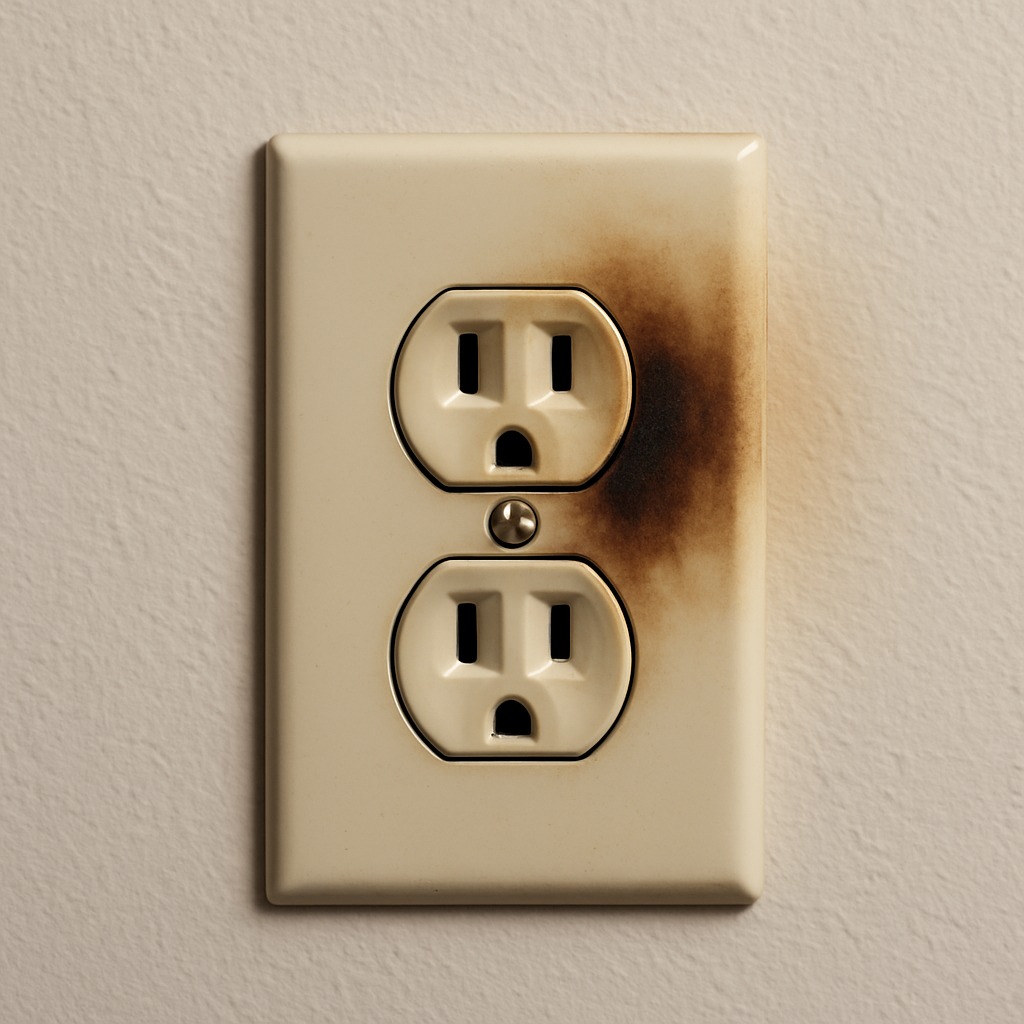
That acrid, burning plastic smell drifting through your home isn't something to sniff at and ignore. When you detect an electrical fire smell inside your walls, you're likely picking up on overheated wiring insulation, an arcing connection, or an overloaded circuit quietly burning where you can't see it. Unlike a pan left on the stove, this kind of smell signals a hazard that's hidden, persistent, and capable of igniting structural framing without any visible warning. Homeowners typically notice it first near an outlet, a light switch, or along a wall shared with an electrical panel. Sometimes the smell appears intermittently — strongest in the morning or after heavy appliance use — which often points to circuits that overheat under load and cool down overnight. Other times the odor is constant and concentrated in one room, suggesting a specific failing device or junction box behind the drywall. A few clue patterns can help narrow the cause before a professional arrives. A fishy or urine-like smell near outlets typically means overheated plastic components inside devices or receptacles. A sharp, smoky smell closer to the breaker panel suggests the panel itself may have a failing breaker or loose bus connection. Burning smells that appear only when the HVAC runs could indicate a wiring issue inside the air handler or ductwork. Discoloration around outlet covers, flickering lights, or breakers that trip without obvious cause all reinforce that the smell has a real electrical source rather than an isolated appliance malfunction. Because electrical fires can smolder inside walls for hours before breaking through, treating this smell as urgent — not curious — is the right call every time. This guide walks you through what to check safely, what to do immediately, and when to call a licensed electrician.
Electrical fire smells in walls are uniquely dangerous because the source is invisible and the fire pathway — dry wood framing and insulation — is already in place behind the drywall. Never probe an outlet or switch box with a screwdriver, voltage tester, or any metal object while the circuit is live. If the smell is strong and localized, resist the urge to cut into drywall yourself; opening a wall cavity can introduce oxygen to smoldering material and trigger a larger fire. Do not spray water anywhere near walls you suspect contain active electrical faults — water conducts electricity and can turn a contained hazard into an immediate electrocution risk. Avoid resetting a tripped breaker repeatedly when an electrical smell is present; the breaker is tripping because it has detected a fault, and forcing it back on can accelerate insulation breakdown or ignite adjacent materials. If you have a gas line running near the area of concern, do not rule out that a separate issue is contributing to the odor — contact your gas utility if there is any ambiguity. Finally, keep children and pets away from the affected area until a licensed electrician has cleared the circuit as safe.
The most common cause of an electrical fire smell inside walls is arc fault activity — a condition where electricity jumps across a damaged, loose, or deteriorated connection rather than flowing cleanly through the conductor. This arcing generates intense localized heat that chars the plastic insulation surrounding the wire. In older homes wired with aluminum wiring or knob-and-tube systems, connections loosen over time due to the natural expansion and contraction of metal. In newer homes, the culprit is more often a loose wire nut inside a junction box, a backstabbed outlet connection that has fatigued, or a breaker that has lost its internal spring tension. Rodent damage to insulation inside wall cavities is another underappreciated source, particularly in homes with crawlspaces or attics. In each case, the smell you're detecting is the byproduct of pyrolysis — the thermal decomposition of plastic and rubber insulation — which begins well before any visible flame appears.
What makes these faults particularly concerning is that the visible damage at an outlet face or breaker panel represents only a fraction of what may be occurring deeper in the circuit. A single loose connection in a junction box can cause resistive heating along the entire wire run back to the panel, degrading insulation at multiple points you cannot see. Once insulation is compromised, the threshold for re-ignition drops significantly — a circuit that seems fine after a breaker reset may reignite under load hours or days later. This is why electricians often find that addressing one visible problem reveals additional damaged segments when they trace the circuit fully. The smell is a symptom of a process already underway, not simply a warning that a process might begin.
Before touching anything or pulling out any tools, there is genuine value in a careful visual and sensory survey of your home. These observations cost nothing, carry no electrical risk, and give a licensed electrician exactly the kind of information they need to locate the problem faster. Walk through each check methodically, and write down or photograph anything unusual so you have a clear record ready when you call for help.
When you detect an electrical fire smell in your walls, your role as a homeowner is not to diagnose and repair the wiring — it is to reduce immediate risk, preserve your safety, and set the stage for a professional fix. The steps below are containment and preparation actions. They do not require you to open walls, touch wiring, or work inside your electrical panel. Execute them calmly and in order, prioritizing life safety above property concerns.
Right now, identify the circuit associated with the smell, switch that breaker off, unplug nearby devices, and call a licensed electrician today.
A licensed electrician should be contacted as soon as you confirm that the burning smell is electrical in nature and is not explained by a single faulty appliance that you've already unplugged and removed. Specifically, call a professional if the odor persists after unplugging devices, if you can smell it near your electrical panel, if any outlet or switch cover shows discoloration or warmth, or if a breaker has tripped on the same circuit more than once without an obvious overload cause. Flickering lights, buzzing sounds from walls, or outlets that spark when you plug something in are all scenarios where wiring inside the wall or inside a device box has already been compromised. An electrician will use thermal imaging, circuit tracing, and visual inspection behind cover plates to find arcing connections, melted insulation, or overloaded junction boxes that you simply cannot access or diagnose safely on your own. Attempting to open walls or rewire circuits without a license is dangerous and may violate local building codes, voiding your homeowner's insurance coverage in the event of a fire.
Some situations require an even faster response — treat these as near-emergencies and call 911 first, then your electrician. If the burning smell is accompanied by visible smoke coming from an outlet, wall, or ceiling, evacuate immediately and call emergency services before re-entering. A wall surface that feels hot or warm to the back of your hand is a critical sign that fire may already be spreading inside the framing cavity. If your smoke detectors activate, do not investigate — get out. Similarly, if your main breaker trips spontaneously and the smell is still present after it resets, do not restore power. These are indicators that a smoldering fire may already be progressing inside your home's structure.
A licensed electrician should be contacted as soon as you confirm that the burning smell is electrical in nature and is not explained by a single faulty appliance that you've already unplugged and removed. Specifically, call a professional if the odor persists after unplugging devices, if you can smell it near your electrical panel, if any outlet or switch cover shows discoloration or warmth, or if a breaker has tripped on the same circuit more than once without an obvious overload cause. Flickering lights, buzzing sounds from walls, or outlets that spark when you plug something in are all scenarios where wiring inside the wall or inside a device box has already been compromised. An electrician will use thermal imaging, circuit tracing, and visual inspection behind cover plates to find arcing connections, melted insulation, or overloaded junction boxes that you simply cannot access or diagnose safely on your own. Attempting to open walls or rewire circuits without a license is dangerous and may violate local building codes, voiding your homeowner's insurance coverage in the event of a fire.
Some situations require an even faster response — treat these as near-emergencies and call 911 first, then your electrician. If the burning smell is accompanied by visible smoke coming from an outlet, wall, or ceiling, evacuate immediately and call emergency services before re-entering. A wall surface that feels hot or warm to the back of your hand is a critical sign that fire may already be spreading inside the framing cavity. If your smoke detectors activate, do not investigate — get out. Similarly, if your main breaker trips spontaneously and the smell is still present after it resets, do not restore power. These are indicators that a smoldering fire may already be progressing inside your home's structure.
A licensed electrician should be contacted as soon as you confirm that the burning smell is electrical in nature and is not explained by a single faulty appliance that you've already unplugged and removed. Specifically, call a professional if the odor persists after unplugging devices, if you can smell it near your electrical panel, if any outlet or switch cover shows discoloration or warmth, or if a breaker has tripped on the same circuit more than once without an obvious overload cause. Flickering lights, buzzing sounds from walls, or outlets that spark when you plug something in are all scenarios where wiring inside the wall or inside a device box has already been compromised. An electrician will use thermal imaging, circuit tracing, and visual inspection behind cover plates to find arcing connections, melted insulation, or overloaded junction boxes that you simply cannot access or diagnose safely on your own. Attempting to open walls or rewire circuits without a license is dangerous and may violate local building codes, voiding your homeowner's insurance coverage in the event of a fire.
Some situations require an even faster response — treat these as near-emergencies and call 911 first, then your electrician. If the burning smell is accompanied by visible smoke coming from an outlet, wall, or ceiling, evacuate immediately and call emergency services before re-entering. A wall surface that feels hot or warm to the back of your hand is a critical sign that fire may already be spreading inside the framing cavity. If your smoke detectors activate, do not investigate — get out. Similarly, if your main breaker trips spontaneously and the smell is still present after it resets, do not restore power. These are indicators that a smoldering fire may already be progressing inside your home's structure.