
ISSUE GUIDE
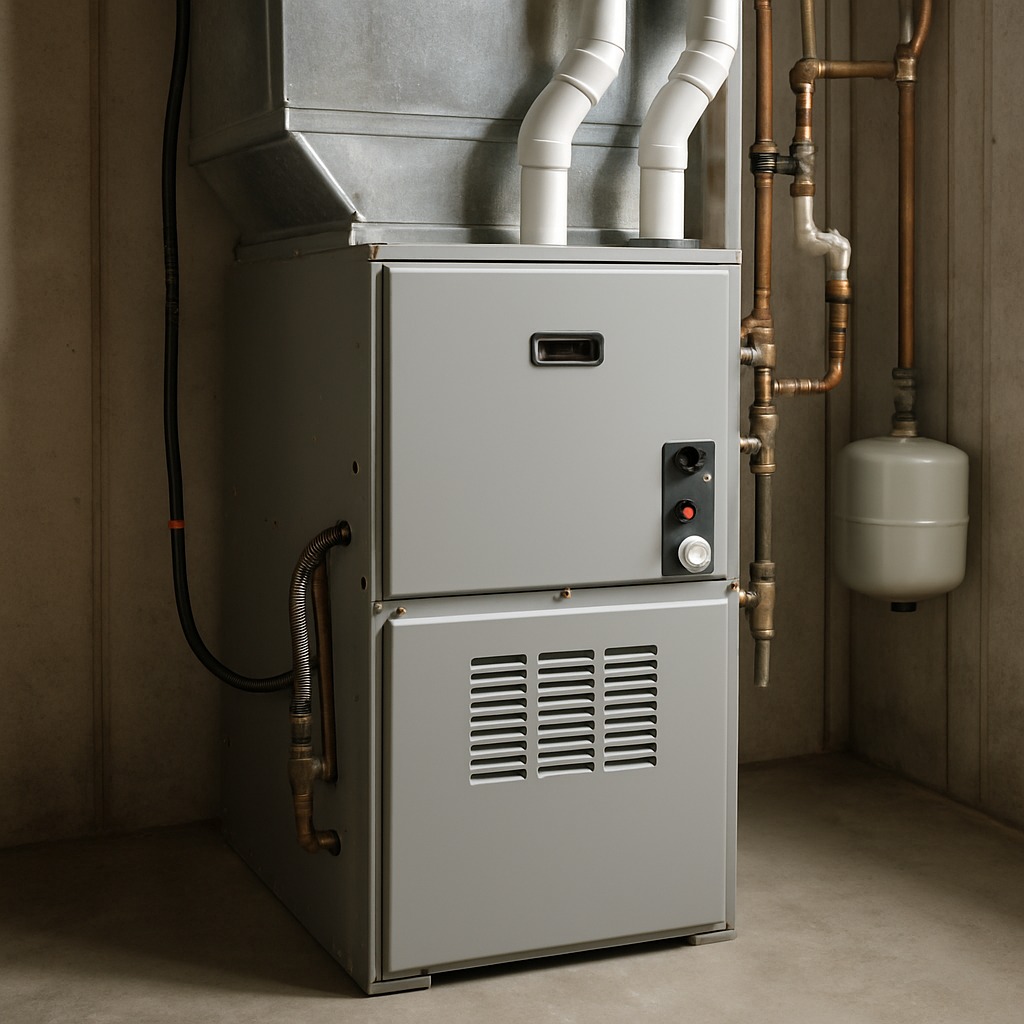
A furnace that suddenly starts banging, squealing, rattling, or rumbling is sending you a message — and that message is worth taking seriously. Heating systems are designed to run quietly in the background, so any new or worsening noise is a signal that something inside the unit has changed, worn out, or failed. The type of sound you're hearing is one of the most useful clues you have. A loud bang or boom when the furnace first kicks on often points to delayed ignition, where gas builds up before finally lighting — a situation that puts real stress on the heat exchanger. A high-pitched squeal or whine typically suggests a blower motor bearing that's failing or a belt that's slipping. Rattling and vibrating sounds can mean loose panels, a failing inducer motor, or debris inside the cabinet. A deep rumbling that continues after the burners shut off may indicate a cracked heat exchanger, which is one of the most serious furnace problems a homeowner can face because it allows carbon monoxide to enter your living space. Homeowners usually notice these sounds first thing in the morning when the heat kicks on after a cold night, or when outside temperatures drop suddenly and the furnace cycles more frequently than usual. The sound may come and go at first, which makes it tempting to ignore. That's a mistake. Intermittent noises often become constant ones, and constant ones often become complete breakdowns — frequently on the coldest night of the year. Beyond comfort, some noise-causing issues involve combustion safety, gas pressure, and heat exchanger integrity. Catching the problem early almost always means a smaller repair bill and a safer home. Use the type, timing, and location of the sound to help your technician diagnose the issue faster.
The most serious risk associated with furnace noise is a cracked heat exchanger, which can allow carbon monoxide — an odorless, colorless, and potentially fatal gas — to circulate through your home's air supply. Never assume a noise is harmless just because the furnace is still producing heat. Make sure you have working carbon monoxide detectors on every level of your home, and test them now if you haven't recently. If the detector sounds or anyone in the household experiences headaches, dizziness, nausea, or confusion while the furnace is running, leave immediately and call 911. Do not re-enter until cleared by emergency services. On the mechanical side, never attempt to open the furnace cabinet while the unit is running or to manually light a burner if ignition has failed — gas can accumulate quickly. If you smell sulfur or rotten eggs at any point, do not operate any electrical switches, do not use your phone inside the building, and evacuate before calling your gas utility from outside. Even a delayed ignition bang, which may seem minor, should be taken seriously because repeated pressure events inside a sealed combustion chamber are not safe to ignore.
The most common cause of a loud furnace noise depends heavily on the type of sound, but the single most frequent complaint technicians encounter is the startup bang or boom — and the culprit is almost always delayed ignition. This happens when the gas valve opens and fuel builds up in the combustion chamber for a few seconds before the igniter or pilot finally catches it. When it does ignite, all that accumulated gas lights at once, creating a small but forceful pressure wave inside the furnace. It sounds dramatic because it is. The underlying cause is usually a dirty burner, a weak igniter, or a failing gas valve that isn't opening at the right pressure. The second most common noise — the high-pitched squeal — almost always comes from the blower motor. Bearings inside the motor wear down over years of use, and as they fail, they produce a squealing or screeching sound that typically gets louder and more constant over time until the motor seizes completely.
What the noise tells you about hidden damage depends on how long it has been going on. A bang that has been happening for weeks or months means the heat exchanger has been subjected to repeated stress events — these thin metal walls are not designed to flex under pressure, and repeated flexing causes microscopic cracks that eventually allow combustion gases to pass through. By the time the bang is audible, the internal damage may already be significant. Similarly, a blower motor that has been squealing for a season has likely been running with inadequate lubrication or worn bearings, which generates heat and can damage the motor windings beyond just the bearing assembly. In both cases, the audible symptom you're responding to now is a late-stage warning sign — which is why earlier attention almost always means less extensive and less expensive repairs.
Before calling a technician, there are several safe, no-tools observations you can make that will help you describe the problem accurately and potentially speed up the diagnosis. Do not open the furnace cabinet, touch any components, or attempt to silence the noise by adjusting anything mechanical. Your goal here is to gather information, not fix anything. Stand near the furnace during a full heating cycle and pay close attention to what you see, hear, and smell. These observations can make a real difference when you talk to a pro.
The goal right now is not to repair the furnace yourself — it's to protect your household, prevent the problem from getting worse, and set yourself up for a smooth, efficient service call. Most furnace noise issues involve components that require licensed handling, but there are meaningful steps you can take immediately. Think of these actions as damage control and preparation rather than a fix. Taking these steps now can prevent a minor noise from turning into a full system failure or a safety emergency before a technician arrives.
Listen carefully to your furnace during its next full heating cycle and record a short video of the noise to share with your technician.
A licensed HVAC technician should be called any time a furnace noise is new, worsening, or accompanied by changes in heating performance. If the bang or boom on startup has been happening for more than a day or two, you need a technician to inspect the heat exchanger and ignition components — delayed ignition creates explosive pressure pulses that can crack the heat exchanger over time, and a cracked heat exchanger is a carbon monoxide risk, not just a repair issue. Squealing or grinding sounds indicate a blower motor or inducer motor that is actively failing; running the furnace in this condition can burn out the motor entirely, turning a few hundred dollar repair into a full motor replacement or worse. Rattling that comes from inside the cabinet rather than ductwork often means a loose or failing component that can cause further damage if left running. Any noise paired with the furnace not reaching the set temperature, short cycling, or producing cold air from the vents also warrants a professional visit rather than further observation.
Some situations require faster response. If you hear a loud bang followed by a burning smell, shut the furnace off at the thermostat and call immediately — this can indicate a cracked heat exchanger or electrical burning. If your carbon monoxide detector activates alongside any furnace noise, treat it as an emergency: evacuate and call 911 first. A rumbling sound that continues for several minutes after the burners shut off, especially combined with a yellow or flickering burner flame instead of a steady blue one, is a serious combustion warning sign. Do not delay on these indicators waiting for a scheduled appointment — call same day and explain the symptoms in detail.
A licensed HVAC technician should be called any time a furnace noise is new, worsening, or accompanied by changes in heating performance. If the bang or boom on startup has been happening for more than a day or two, you need a technician to inspect the heat exchanger and ignition components — delayed ignition creates explosive pressure pulses that can crack the heat exchanger over time, and a cracked heat exchanger is a carbon monoxide risk, not just a repair issue. Squealing or grinding sounds indicate a blower motor or inducer motor that is actively failing; running the furnace in this condition can burn out the motor entirely, turning a few hundred dollar repair into a full motor replacement or worse. Rattling that comes from inside the cabinet rather than ductwork often means a loose or failing component that can cause further damage if left running. Any noise paired with the furnace not reaching the set temperature, short cycling, or producing cold air from the vents also warrants a professional visit rather than further observation.
Some situations require faster response. If you hear a loud bang followed by a burning smell, shut the furnace off at the thermostat and call immediately — this can indicate a cracked heat exchanger or electrical burning. If your carbon monoxide detector activates alongside any furnace noise, treat it as an emergency: evacuate and call 911 first. A rumbling sound that continues for several minutes after the burners shut off, especially combined with a yellow or flickering burner flame instead of a steady blue one, is a serious combustion warning sign. Do not delay on these indicators waiting for a scheduled appointment — call same day and explain the symptoms in detail.
A licensed HVAC technician should be called any time a furnace noise is new, worsening, or accompanied by changes in heating performance. If the bang or boom on startup has been happening for more than a day or two, you need a technician to inspect the heat exchanger and ignition components — delayed ignition creates explosive pressure pulses that can crack the heat exchanger over time, and a cracked heat exchanger is a carbon monoxide risk, not just a repair issue. Squealing or grinding sounds indicate a blower motor or inducer motor that is actively failing; running the furnace in this condition can burn out the motor entirely, turning a few hundred dollar repair into a full motor replacement or worse. Rattling that comes from inside the cabinet rather than ductwork often means a loose or failing component that can cause further damage if left running. Any noise paired with the furnace not reaching the set temperature, short cycling, or producing cold air from the vents also warrants a professional visit rather than further observation.
Some situations require faster response. If you hear a loud bang followed by a burning smell, shut the furnace off at the thermostat and call immediately — this can indicate a cracked heat exchanger or electrical burning. If your carbon monoxide detector activates alongside any furnace noise, treat it as an emergency: evacuate and call 911 first. A rumbling sound that continues for several minutes after the burners shut off, especially combined with a yellow or flickering burner flame instead of a steady blue one, is a serious combustion warning sign. Do not delay on these indicators waiting for a scheduled appointment — call same day and explain the symptoms in detail.