
ISSUE GUIDE
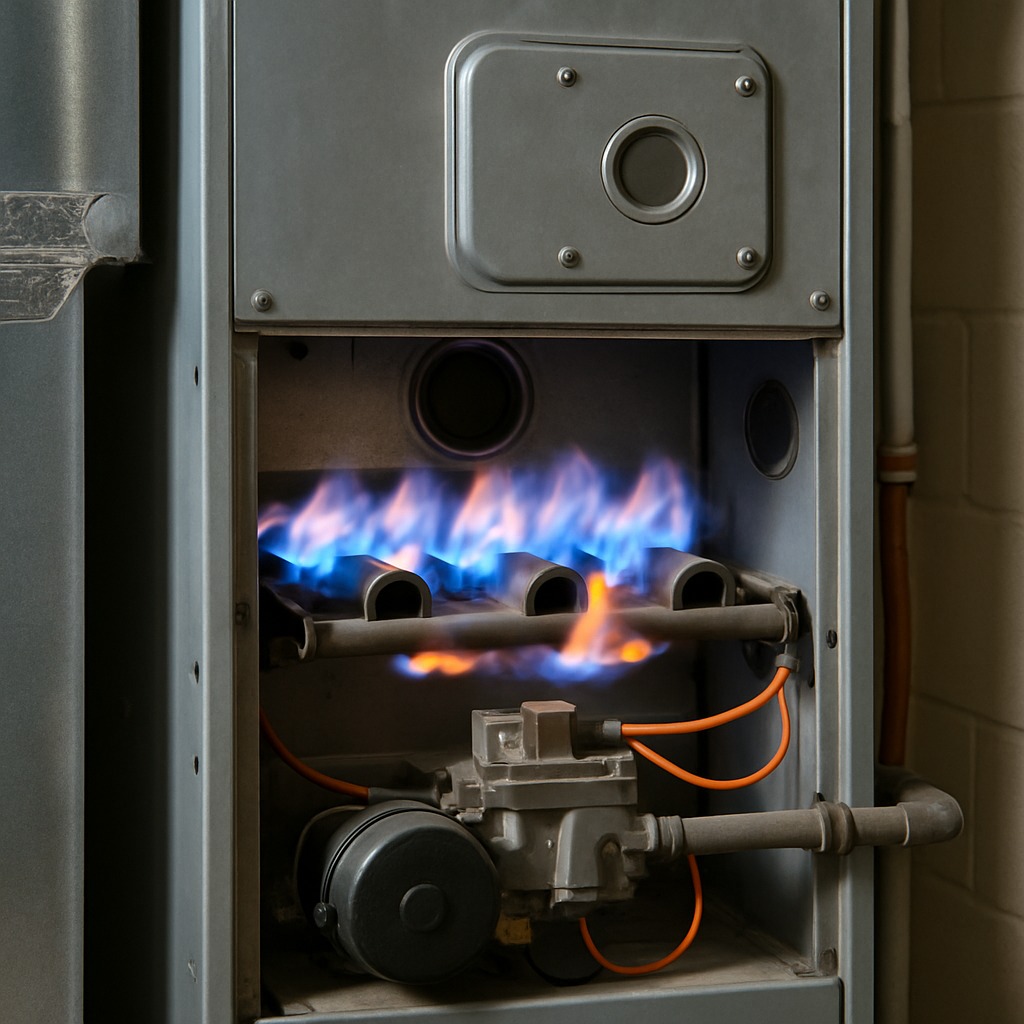
Furnace short cycling is one of the most frustrating heating problems a homeowner can face — and one of the most misunderstood. Short cycling happens when your furnace turns on, runs for only a few minutes, shuts itself off, and then restarts shortly after. Instead of completing a full heating cycle that warms your home efficiently, the system is essentially spinning its wheels. The result is a home that never quite reaches the set temperature, energy bills that creep higher, and mechanical components wearing out far faster than they should. Most homeowners first notice short cycling when they hear the furnace kick on repeatedly throughout the hour — sometimes every three to five minutes — without ever feeling a sustained rush of warm air from the vents. You might also notice the thermostat constantly calling for heat even though the furnace seems to be running. Some homeowners describe it as the furnace acting "confused" or restless. The causes range from simple to serious. On the simple end, a clogged air filter can restrict airflow so severely that the heat exchanger overheats and triggers a safety shutoff. A thermostat placed near a heat source, like a sunny window or a lamp, can give false temperature readings that prematurely end heating cycles. On the more serious end, short cycling can signal a cracked heat exchanger — a component that separates combustion gases from your breathable indoor air. That is a genuine safety concern, not just a comfort issue. Other common culprits include an oversized furnace, a failing flame sensor, low refrigerant in heat pump systems, or a blocked flue vent. Because short cycling stresses every moving part of the system — the blower motor, igniter, heat exchanger, and control board — ignoring it accelerates the path toward a complete breakdown. Addressing it early is always the smarter, cheaper choice.
Furnace short cycling can mask serious safety hazards that are not always visible or detectable without professional equipment. The most dangerous is a cracked heat exchanger, which can allow carbon monoxide — an odorless, colorless, and potentially fatal gas — to enter your home's living spaces. Every home with a gas furnace should have working carbon monoxide detectors installed on every floor and outside each sleeping area. Test them monthly and replace batteries annually. Never attempt to bypass a safety limit switch, pressure switch, or flame rollout switch on your furnace. These switches are designed to shut the system down when dangerous conditions exist. Defeating them to keep the furnace running puts your household at serious risk of fire, explosion, or carbon monoxide poisoning. Do not operate a gas furnace if you smell gas at any point. Leave the home without using light switches or your phone until you are outside, then call your gas utility's emergency line. Do not re-enter until the utility confirms it is safe. Additionally, never store flammable materials such as paint, gasoline, or cleaning solvents near the furnace — short cycling creates repeated ignition events that can ignite nearby vapors.
The most common cause of furnace short cycling is restricted airflow caused by a clogged air filter or blocked vents. When airflow is insufficient, heat builds up inside the heat exchanger faster than it can be distributed through the duct system. The high-limit safety switch — a protective device designed to prevent dangerous overheating — detects this excess temperature and shuts the burner down before the cycle completes. Once the heat exchanger cools slightly, the furnace restarts, only to overheat again within minutes. This is the HVAC equivalent of a car overheating because the radiator is blocked. The second most common cause is a dirty or failing flame sensor, a small metal rod that confirms the burner has ignited. When it's coated with oxidation, it can't reliably detect the flame and signals the control board to shut down the gas valve as a safety precaution — usually within seconds of ignition.
When visible symptoms like soot deposits, burn marks, or a furnace that shuts off almost immediately after ignition are present, they often point to deeper mechanical damage. A furnace that has been short cycling for weeks or months due to overheating may have a heat exchanger that has been subjected to repeated thermal stress, leading to microscopic cracks that are not visible without a professional inspection using specialized lighting or combustion analysis tools. Similarly, a control board that has been repeatedly triggering safety shutdowns may show burned relay points or capacitor damage that only a trained eye can identify. Visible damage on the outside of the furnace cabinet — warping, discoloration, or rust — often signals that internal components have been operating under stress for far longer than the homeowner realized. Early professional diagnosis prevents a manageable repair from escalating into a full system replacement.
Before calling a technician, there are several safe, no-tools-required observations you can make around your home and furnace to help diagnose the problem. These checks won't fix the issue, but they will give you — and your HVAC technician — valuable information about what might be causing the short cycling. Walk through each item carefully and note what you find.
While a short cycling furnace requires professional diagnosis for most root causes, there are several damage-control steps you can take right now to stop the situation from getting worse, improve safety, and prepare for an efficient service call. Do not attempt to disassemble the furnace, bypass safety switches, or tamper with gas connections. Stick to the actions below.
Right now, locate your furnace filter and inspect it — a clogged filter is the single most common and easiest-to-fix cause of short cycling.
You should schedule service with a licensed HVAC technician as soon as possible if your furnace has been short cycling for more than 24 hours, if replacing the air filter did not resolve the problem, or if you've found no obvious cause after completing the safe checks above. A professional needs to inspect the flame sensor, heat exchanger, gas valve, control board, and inducer motor — components that require training, specialized tools, and safety certification to evaluate properly. If your furnace is short cycling and is more than 15 years old, a technician can also help you weigh the cost of repair against the cost of replacement, which is an important financial decision that deserves expert input rather than guesswork.
Treat the situation as urgent — call a pro the same day — if you notice any of the following: a smell of rotten eggs or sulfur near the furnace (possible gas leak), a burning or melting plastic odor coming from the vents, visible scorch marks or soot around the furnace cabinet, a carbon monoxide detector alarm triggering in your home, or the furnace making loud banging, grinding, or popping sounds when it cycles. These signs can indicate a cracked heat exchanger, gas leak, electrical fault, or combustion problem — all of which pose serious safety risks to your household. In any of these situations, turn off the furnace, evacuate if necessary, and do not restart the system until a qualified technician has completed a full safety inspection.
You should schedule service with a licensed HVAC technician as soon as possible if your furnace has been short cycling for more than 24 hours, if replacing the air filter did not resolve the problem, or if you've found no obvious cause after completing the safe checks above. A professional needs to inspect the flame sensor, heat exchanger, gas valve, control board, and inducer motor — components that require training, specialized tools, and safety certification to evaluate properly. If your furnace is short cycling and is more than 15 years old, a technician can also help you weigh the cost of repair against the cost of replacement, which is an important financial decision that deserves expert input rather than guesswork.
Treat the situation as urgent — call a pro the same day — if you notice any of the following: a smell of rotten eggs or sulfur near the furnace (possible gas leak), a burning or melting plastic odor coming from the vents, visible scorch marks or soot around the furnace cabinet, a carbon monoxide detector alarm triggering in your home, or the furnace making loud banging, grinding, or popping sounds when it cycles. These signs can indicate a cracked heat exchanger, gas leak, electrical fault, or combustion problem — all of which pose serious safety risks to your household. In any of these situations, turn off the furnace, evacuate if necessary, and do not restart the system until a qualified technician has completed a full safety inspection.
You should schedule service with a licensed HVAC technician as soon as possible if your furnace has been short cycling for more than 24 hours, if replacing the air filter did not resolve the problem, or if you've found no obvious cause after completing the safe checks above. A professional needs to inspect the flame sensor, heat exchanger, gas valve, control board, and inducer motor — components that require training, specialized tools, and safety certification to evaluate properly. If your furnace is short cycling and is more than 15 years old, a technician can also help you weigh the cost of repair against the cost of replacement, which is an important financial decision that deserves expert input rather than guesswork.
Treat the situation as urgent — call a pro the same day — if you notice any of the following: a smell of rotten eggs or sulfur near the furnace (possible gas leak), a burning or melting plastic odor coming from the vents, visible scorch marks or soot around the furnace cabinet, a carbon monoxide detector alarm triggering in your home, or the furnace making loud banging, grinding, or popping sounds when it cycles. These signs can indicate a cracked heat exchanger, gas leak, electrical fault, or combustion problem — all of which pose serious safety risks to your household. In any of these situations, turn off the furnace, evacuate if necessary, and do not restart the system until a qualified technician has completed a full safety inspection.