
ISSUE GUIDE
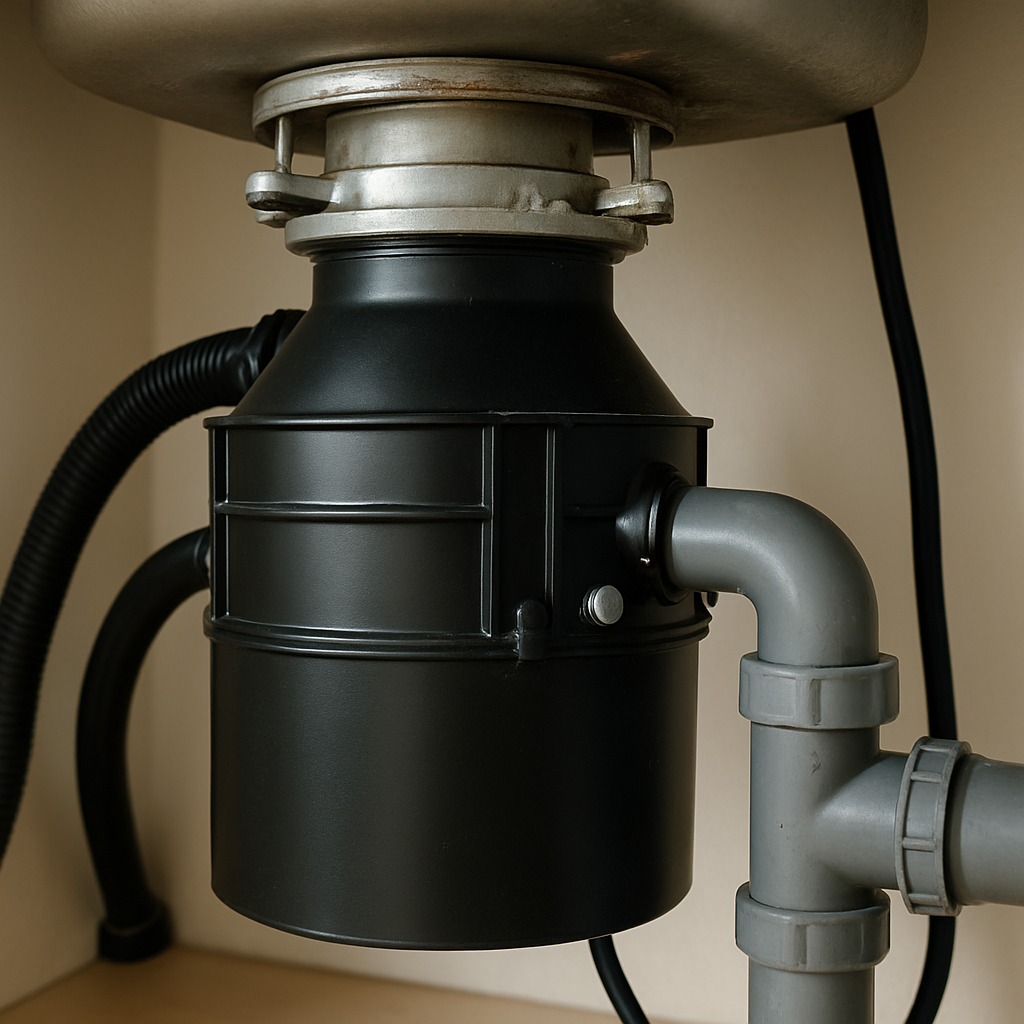
A garbage disposal that hums but won't spin is one of the most common kitchen plumbing complaints homeowners face, and the good news is it often signals a fixable problem rather than a complete unit failure. That low, steady hum you're hearing tells you the disposal is receiving electrical power — the motor is energized — but something is physically preventing the grinding plate from turning. Think of it like a car engine that starts but the wheels won't move. The most frequent culprit is a jammed grinding plate. Over time, small bones, fruit pits, bottle caps, or even built-up food debris can wedge between the impeller blades and the grinding ring, locking the plate in place. When that happens, the motor strains against the blockage, draws excess current, and the unit's thermal overload protector trips to prevent the motor from burning out. You may also notice the disposal stops humming entirely after a few seconds — that's the safety cutoff doing its job. Homeowners typically notice this issue when they flip the switch and hear a low drone instead of the usual grinding action, followed by silence as the unit shuts itself off. Sometimes there's an occasional clicking or metallic scraping sound just before it goes quiet. You might also detect a faint burning or hot-plastic smell near the sink cabinet, a warning sign the motor has been overworking. Ignoring a humming disposal isn't wise. Repeated thermal tripping shortens motor life significantly, and a jam left unaddressed can eventually burn out the motor windings entirely, turning a simple fix into a full replacement. Water can also back up into the sink, creating hygiene concerns. Catching and resolving this issue quickly protects both your appliance investment and your kitchen's drainage system.
Garbage disposals are among the most dangerous small appliances in the home because the combination of water, sharp grinding components, and electrical power creates multiple simultaneous hazards. The most critical rule: never place your hand inside the drain opening under any circumstances, even when you believe the unit is fully off. Disposals can move unexpectedly if power is restored or if the jam releases. Always unplug the unit from the wall outlet under the sink, or trip its dedicated circuit breaker, before any physical inspection or wrench work — flipping the wall switch alone is not sufficient because the switch only interrupts one leg of the circuit in some installations. Water and electricity are a lethal combination; if you notice standing water under the sink near the electrical outlet or wiring, do not reach in. Dry the area and cut power at the breaker panel first. Never use drain cleaning chemicals like bleach or lye in a disposal that is jammed — chemical reactions with food material can produce toxic splatter when the unit eventually starts. Keep children away from the sink area during any troubleshooting. If you smell burning plastic or see discoloration on the unit's housing, treat it as a potential electrical fire hazard and contact a professional before attempting any reset.
In the vast majority of humming-but-not-spinning cases, the root cause is a mechanically jammed grinding plate — typically caused by a hard foreign object that has slipped past the splash guard and wedged between an impeller arm and the shredder ring. Common offenders include cherry pits, peach pits, small bones, broken glass, a misplaced bottle cap, or even a hardened chunk of grease buildup. When the plate can't rotate, the motor draws far more current than normal, which triggers the thermal overload protector and cuts the circuit to prevent motor burnout. This is actually the disposal doing exactly what it was designed to do — protecting itself. Successfully clearing the jam with the hex wrench method and resetting the button resolves the problem completely in a large percentage of these cases, leaving the unit in perfectly good working order.
However, visible signs of wear or damage around the unit often hint at deeper problems. Dark discoloration or warping on the unit's plastic body suggests the motor has overheated multiple times, which degrades winding insulation and shortens remaining motor life even after the immediate jam is cleared. Rust staining at the flange or around mounting hardware indicates water has been seeping for some time, potentially weakening the mount and the cabinet floor beneath it. If the disposal has been humming and tripping repeatedly over several weeks or months before you addressed it, the motor bearings may already be scored from the strain, meaning the unit will fail again sooner than expected. A plumber can perform a load test after clearing the jam to assess whether the motor is still healthy or whether replacement is the smarter long-term investment.
Before calling anyone or touching any tools, take a few minutes to make safe, eyes-only observations about your disposal. These checks cost nothing, require zero equipment, and give you — and any plumber you call — valuable diagnostic information. Work with the disposal switch in the OFF position throughout these checks.
These steps are focused on safe containment and preparation — not performing the full repair yourself. They can prevent further damage, clear minor jams that are safe to address, and get the unit ready for professional service if needed. Always unplug the disposal or switch off its dedicated breaker before any hands-on steps.
Right now, unplug your disposal under the sink, then press the red reset button firmly on the unit's underside until it clicks.
Call a licensed plumber promptly if the disposal continues humming and tripping after you've reset the button and attempted the hex wrench method two or three times without success. Professional service is also the right call if you cannot locate the reset button, if the hex socket is stripped or absent, if there is visible water leaking from the unit or its drain connections, or if the disposal is hardwired rather than plug-in. If the unit is completely silent — no hum at all — even after confirming the breaker is on and the reset is set, that points to a failed motor or wiring issue that requires a qualified technician. Similarly, if the burning smell persists after the unit cools, the motor windings may already be damaged. A plumber can also evaluate whether repair is cost-effective versus full replacement, especially on older units. Attempting to disassemble the motor housing yourself voids most warranties and can create additional water and electrical hazards under the sink.
Treat the situation as higher urgency if you notice water actively dripping from the disposal body or drain connections — this can quickly damage the cabinet floor and subfloor, escalating costs dramatically. A burning or acrid electrical smell that lingers even with the unit off suggests the motor insulation may have degraded, which is a fire risk and warrants same-day attention. If the disposal is connected to a dishwasher drain line and both appliances are backing up simultaneously, you may have a deeper drain blockage that requires immediate professional snaking or hydro-jetting. Don't delay in these scenarios — water damage compounds fast, and what starts as a $150 service call can become a $1,500 repair if cabinet rot or mold sets in.
Call a licensed plumber promptly if the disposal continues humming and tripping after you've reset the button and attempted the hex wrench method two or three times without success. Professional service is also the right call if you cannot locate the reset button, if the hex socket is stripped or absent, if there is visible water leaking from the unit or its drain connections, or if the disposal is hardwired rather than plug-in. If the unit is completely silent — no hum at all — even after confirming the breaker is on and the reset is set, that points to a failed motor or wiring issue that requires a qualified technician. Similarly, if the burning smell persists after the unit cools, the motor windings may already be damaged. A plumber can also evaluate whether repair is cost-effective versus full replacement, especially on older units. Attempting to disassemble the motor housing yourself voids most warranties and can create additional water and electrical hazards under the sink.
Treat the situation as higher urgency if you notice water actively dripping from the disposal body or drain connections — this can quickly damage the cabinet floor and subfloor, escalating costs dramatically. A burning or acrid electrical smell that lingers even with the unit off suggests the motor insulation may have degraded, which is a fire risk and warrants same-day attention. If the disposal is connected to a dishwasher drain line and both appliances are backing up simultaneously, you may have a deeper drain blockage that requires immediate professional snaking or hydro-jetting. Don't delay in these scenarios — water damage compounds fast, and what starts as a $150 service call can become a $1,500 repair if cabinet rot or mold sets in.
Call a licensed plumber promptly if the disposal continues humming and tripping after you've reset the button and attempted the hex wrench method two or three times without success. Professional service is also the right call if you cannot locate the reset button, if the hex socket is stripped or absent, if there is visible water leaking from the unit or its drain connections, or if the disposal is hardwired rather than plug-in. If the unit is completely silent — no hum at all — even after confirming the breaker is on and the reset is set, that points to a failed motor or wiring issue that requires a qualified technician. Similarly, if the burning smell persists after the unit cools, the motor windings may already be damaged. A plumber can also evaluate whether repair is cost-effective versus full replacement, especially on older units. Attempting to disassemble the motor housing yourself voids most warranties and can create additional water and electrical hazards under the sink.
Treat the situation as higher urgency if you notice water actively dripping from the disposal body or drain connections — this can quickly damage the cabinet floor and subfloor, escalating costs dramatically. A burning or acrid electrical smell that lingers even with the unit off suggests the motor insulation may have degraded, which is a fire risk and warrants same-day attention. If the disposal is connected to a dishwasher drain line and both appliances are backing up simultaneously, you may have a deeper drain blockage that requires immediate professional snaking or hydro-jetting. Don't delay in these scenarios — water damage compounds fast, and what starts as a $150 service call can become a $1,500 repair if cabinet rot or mold sets in.