
ISSUE GUIDE
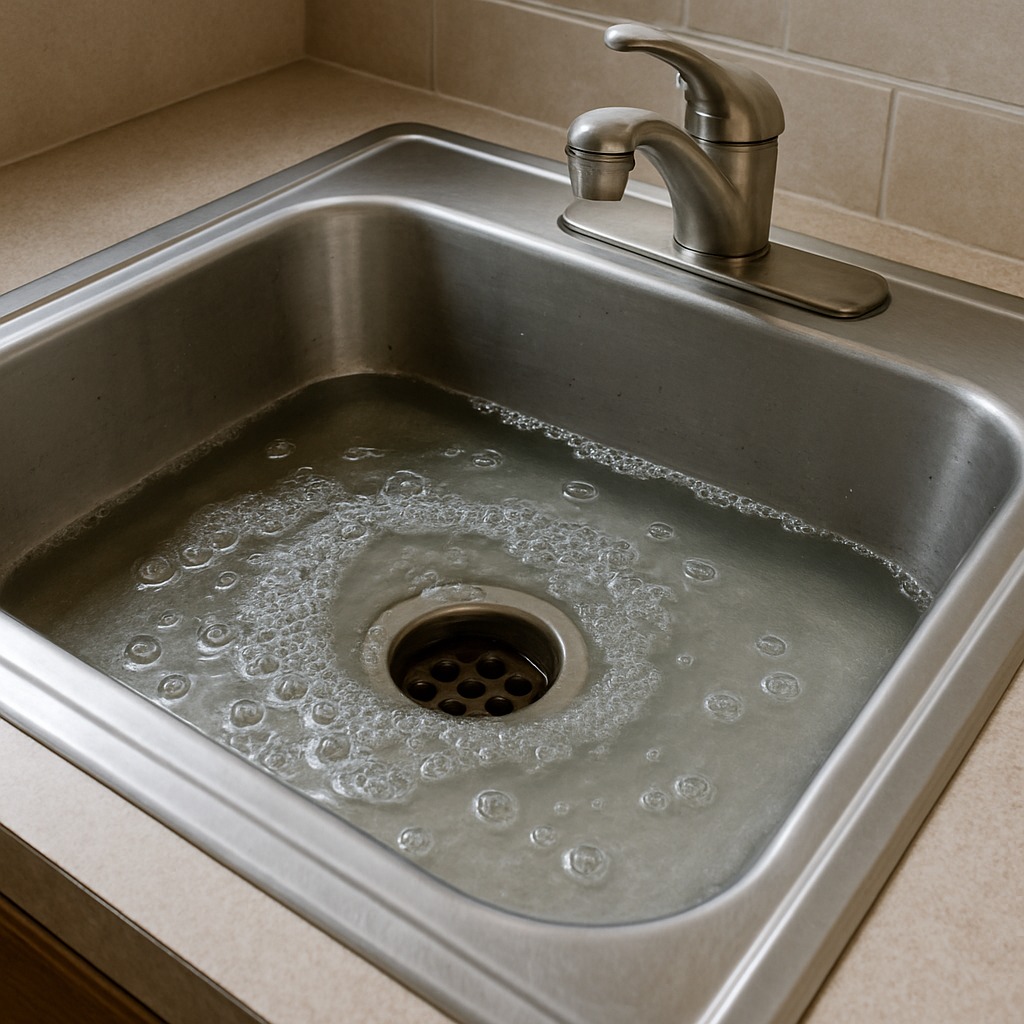
A kitchen sink that refuses to drain is one of the most disruptive plumbing problems a homeowner can face. What starts as water pooling a little longer than usual can quickly escalate into a completely blocked drain, leaving you unable to wash dishes, prep food, or use the sink at all. The first clue most homeowners notice is water draining slowly after washing dishes, followed by a gurgling sound coming from the drain or a nearby sink. Eventually, water may stand completely still, and an unpleasant odor — often resembling rotten food or sewage — begins rising from the basin. Kitchen sink clogs are extremely common, but that doesn't mean they should be ignored. Standing water creates a breeding ground for bacteria and mold, and the moisture can damage cabinet interiors beneath the sink over time. If the blockage is deeper in the plumbing system, ignoring it can put stress on your pipes, lead to backups in other drains throughout the house, or even cause a sewage overflow in serious cases. The pattern of the problem tells you a lot. If only your kitchen sink is slow, the clog is likely local — in the P-trap or the branch line just past it. If multiple drains in your home are backing up simultaneously, or if flushing a toilet causes your sink to gurgle, the blockage is likely in the main sewer line, which is a more urgent situation requiring immediate professional attention. Common culprits in kitchen drains include accumulated grease and cooking oil that solidifies inside pipes, food debris, soap scum buildup, and occasionally a foreign object that slipped down the drain. Understanding the clue patterns helps you communicate clearly with a plumber and avoid wasting money on the wrong fix.
Working around a clogged kitchen sink involves a few important safety considerations that homeowners often overlook. First and most critically, never mix chemical drain cleaners with other cleaning products or attempt to use them after another product has already been applied — the combination can produce toxic chlorine gas or cause violent chemical reactions that result in burns. If you have already used a chemical cleaner and the clog remains, tell your plumber before they begin work so they can protect themselves accordingly. Standing water near electrical outlets or under-sink appliances like garbage disposal switches creates a shock hazard. Before reaching under the sink or touching any component, turn off the garbage disposal at the wall switch and consider switching off the circuit breaker for that outlet as an added precaution. Avoid using excessive force when plunging — violent plunging can loosen pipe joints, particularly on older or plastic drain lines, turning a clog into an active leak. Wear rubber gloves when handling drain water, which can contain bacteria and food pathogens. Finally, if you notice any gas-like smell — not just a sewage or food odor — leave the home immediately and call your gas company before contacting a plumber.
In the vast majority of cases, a clogged kitchen sink is caused by a buildup of grease, cooking oil, and food debris inside the drain pipe. Every time cooking fat is poured or rinsed down the drain, it travels a short distance before cooling, solidifying, and sticking to the interior pipe walls. Over months and years, this greasy layer traps food particles, soap scum, and other debris, progressively narrowing the pipe until water can barely pass through. The P-trap — the curved pipe section directly beneath your sink — is the most common location for this kind of blockage because the curve naturally slows the flow of water and allows deposits to accumulate. A secondary common cause is a jammed or partially functioning garbage disposal that has stopped fully grinding food waste, leaving chunks of material to block the drain line just past the unit.
What you can see at the drain opening rarely tells the full story of what's happening inside your pipes. A clog that appears minor from the surface can indicate years of grease accumulation coating the interior walls of the drain line deep behind the wall or beneath the floor. If your pipes are older galvanized steel, visible surface corrosion under the sink often means the interior of the pipe is significantly scaled and narrowed, making it prone to recurring clogs even after clearing. A slow drain that returns within days of being cleared is a strong signal that the pipe walls themselves are compromised and that a simple snaking won't provide a lasting solution — a camera inspection by a plumber can reveal whether pipe descaling, lining, or replacement is the appropriate long-term fix.
Before calling a professional or attempting any repairs, take a few minutes to observe the situation carefully. These checks require no tools and no touching of plumbing components — they simply help you gather the information a plumber will need and help you understand how serious the problem is. Work through this checklist methodically and take notes or photos where possible.
While a stubborn kitchen sink clog often requires a professional plumber, there are several safe, damage-control steps you can take right now to contain the situation, prevent it from worsening, and prepare for a service visit. These steps focus on reducing risk and gathering information — not on dismantling pipes or using harsh chemicals that could damage your plumbing.
Right now, stop running water into the sink and remove standing water with a cup to prevent overflow and cabinet damage.
You should call a licensed plumber when your kitchen sink is completely blocked and plunging has not resolved the issue, when you notice water backing up into the sink from the dishwasher or another drain, or when slow drainage persists despite your best containment efforts. A professional is also necessary if you can see or smell sewage, if water is leaking from the pipes beneath the sink alongside the clog, or if you have an older home with galvanized steel or cast iron drain pipes that may be corroded internally. If you've never successfully cleared a P-trap before and you're not comfortable with basic plumbing, it's always smarter to call a pro than to risk cracking a fitting, stripping a nut, or turning a simple clog into a full pipe repair job.
Certain signs indicate a higher level of urgency that warrants same-day or emergency service. If multiple drains in your home are backing up at the same time, your main sewer line may be blocked — a situation that can escalate to raw sewage backing up into your home within hours. If you notice sewage odors inside your home, hear consistent gurgling from drains or toilets you're not using, or if water appears in your floor drain or bathtub when you run the kitchen sink, stop using all water in the home immediately and call a licensed plumber right away. These are signs of a serious blockage or potential sewer line failure that poses both a health hazard and a risk of significant water damage.
You should call a licensed plumber when your kitchen sink is completely blocked and plunging has not resolved the issue, when you notice water backing up into the sink from the dishwasher or another drain, or when slow drainage persists despite your best containment efforts. A professional is also necessary if you can see or smell sewage, if water is leaking from the pipes beneath the sink alongside the clog, or if you have an older home with galvanized steel or cast iron drain pipes that may be corroded internally. If you've never successfully cleared a P-trap before and you're not comfortable with basic plumbing, it's always smarter to call a pro than to risk cracking a fitting, stripping a nut, or turning a simple clog into a full pipe repair job.
Certain signs indicate a higher level of urgency that warrants same-day or emergency service. If multiple drains in your home are backing up at the same time, your main sewer line may be blocked — a situation that can escalate to raw sewage backing up into your home within hours. If you notice sewage odors inside your home, hear consistent gurgling from drains or toilets you're not using, or if water appears in your floor drain or bathtub when you run the kitchen sink, stop using all water in the home immediately and call a licensed plumber right away. These are signs of a serious blockage or potential sewer line failure that poses both a health hazard and a risk of significant water damage.
You should call a licensed plumber when your kitchen sink is completely blocked and plunging has not resolved the issue, when you notice water backing up into the sink from the dishwasher or another drain, or when slow drainage persists despite your best containment efforts. A professional is also necessary if you can see or smell sewage, if water is leaking from the pipes beneath the sink alongside the clog, or if you have an older home with galvanized steel or cast iron drain pipes that may be corroded internally. If you've never successfully cleared a P-trap before and you're not comfortable with basic plumbing, it's always smarter to call a pro than to risk cracking a fitting, stripping a nut, or turning a simple clog into a full pipe repair job.
Certain signs indicate a higher level of urgency that warrants same-day or emergency service. If multiple drains in your home are backing up at the same time, your main sewer line may be blocked — a situation that can escalate to raw sewage backing up into your home within hours. If you notice sewage odors inside your home, hear consistent gurgling from drains or toilets you're not using, or if water appears in your floor drain or bathtub when you run the kitchen sink, stop using all water in the home immediately and call a licensed plumber right away. These are signs of a serious blockage or potential sewer line failure that poses both a health hazard and a risk of significant water damage.