
ISSUE GUIDE
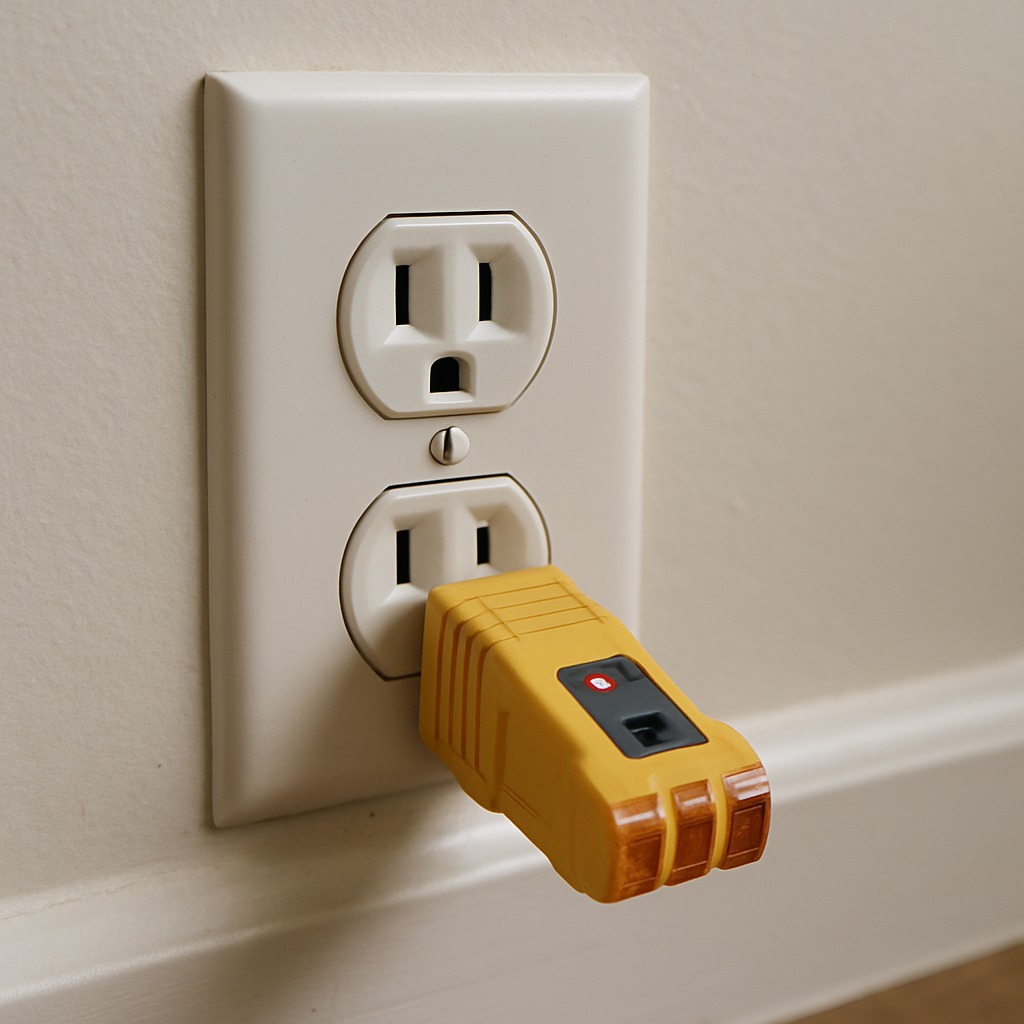
A dead outlet is one of the most common electrical complaints homeowners face, and while it can sometimes have a simple fix, it can also signal something far more serious hiding inside your walls. When an outlet stops working, you might notice that a lamp suddenly goes dark, a phone won't charge, or an entire section of your home loses power without any obvious reason. Sometimes the problem announces itself quietly — other times, you might catch a faint burning smell or see scorch marks around the outlet cover, which are urgent warning signs that demand immediate attention. The most common culprits behind a dead outlet include a tripped circuit breaker, a tripped GFCI outlet somewhere nearby on the same circuit, a loose or broken wire connection inside the outlet box, or a failed outlet that has simply worn out over years of use. Older homes add another layer of complexity — aluminum wiring, outdated Federal Pacific or Zinsco panels, and decades-old connections can make what looks like a simple fix into a serious safety concern. Homeowners often underestimate this issue because the outlet looks perfectly normal from the outside. But an outlet that stopped working after a small appliance was plugged in, one that worked intermittently before dying, or one on a circuit that keeps tripping all point to underlying problems that go beyond a basic reset. Ignoring a dead outlet doesn't just mean living with the inconvenience — it can mean a fire hazard quietly developing inside your wall. The good news is that some causes are straightforward and easy to identify with a few safe checks before calling anyone. Others require a licensed electrician immediately. Knowing the difference protects both your home and your family.
Working with household electrical systems carries serious risks, including electric shock, severe burns, and fire. Never attempt to open an outlet box, replace an outlet, or handle any wiring unless you are a licensed electrician or have verifiable training in residential electrical work. Even with the breaker switched off, some circuits can retain voltage, and miswired homes can make it impossible to know which breaker controls which outlet without proper testing equipment. Never insert any object into an outlet to test it. Do not use a non-contact voltage tester unless you have been trained to interpret its results correctly. If you smell burning near any outlet, treat it as a potential fire hazard — switch off the breaker for that area, keep the space ventilated, and do not leave it unmonitored until a professional has inspected it. Keep children away from any outlet that is behaving abnormally. If an outlet sparks, makes noise, or feels warm, do not attempt to investigate it yourself. Call a licensed electrician immediately and, if you see flames or smell heavy smoke, call 911 before anything else. Electrical fires can spread inside walls for minutes before becoming visible.
The most common reason an outlet stops working is a tripped GFCI outlet or circuit breaker rather than any failure in the outlet itself. GFCI outlets — the ones with TEST and RESET buttons found in kitchens, bathrooms, and garages — are designed to cut power instantly when they detect a ground fault. Because they are often wired to protect multiple regular outlets downstream on the same circuit, a single tripped GFCI can make several outlets go completely dead at once. Homeowners frequently overlook this because the dead outlet looks completely normal and the GFCI that tripped it might be in another room entirely. Similarly, a circuit breaker that has tripped to its midpoint position can be easy to miss if you are not looking carefully at the panel.
When the simple reset checks don't solve the problem, the dead outlet usually points to one of three hidden issues: a loose or corroded wire connection inside the outlet box that has failed over time from heat cycling and vibration, a burned-out outlet receptacle that has reached the end of its functional life, or a wiring fault somewhere along the circuit. What makes these issues important to take seriously is that visible damage — scorch marks on the outlet face, discoloration on the cover plate, or a faint burning smell — almost always means the damage extends beyond what you can see. Heat and arcing inside an outlet box can damage insulation on adjacent wires, weaken connections several feet away, and leave the circuit in a condition that looks repaired but remains a fire hazard until a full professional inspection is completed.
Before calling a professional or touching anything inside the outlet, there are several safe visual and functional checks you can perform without any tools. These observations will help you understand what might be going on and give your electrician valuable information when you do make that call.
While a full outlet repair should be handled by a licensed electrician, there are several damage-control and preparation steps you can safely take right now to protect your home and make the repair process go more smoothly. Do not attempt to open the outlet box, splice wires, or replace the outlet yourself unless you are a trained professional.
Right now, check your electrical panel for a tripped breaker and test every nearby GFCI outlet's RESET button before calling anyone.
You should call a licensed electrician any time the basic reset steps — resetting the breaker and checking nearby GFCI outlets — do not restore power to the outlet. If the breaker trips repeatedly when you reset it, that is a sign of a short circuit or overloaded circuit that requires professional diagnosis. Similarly, if you have an outlet that works intermittently, feels warm to the touch, makes buzzing or crackling sounds, or shows any discoloration around the cover plate, these are all situations that go beyond safe DIY territory. Homes built before 1980 should be given extra caution — older wiring systems, outdated breaker panels, and aluminum wiring all increase the risk that what appears to be a minor outlet issue is actually part of a larger systemic problem. An electrician can use diagnostic tools to trace the circuit, test connections throughout the outlet box, and identify hidden faults that simply cannot be seen from the outside.
Some situations require urgent professional attention rather than a scheduled appointment. If you smell burning near the outlet, see scorch marks or melted plastic on or around the outlet cover, notice flickering lights throughout the home alongside the dead outlet, or if an outlet stopped working immediately after sparking or making a popping sound, treat these as emergencies. Turn off the breaker for that circuit immediately, avoid the area, and call a licensed electrician the same day. These signs can indicate arcing, which is a leading cause of electrical house fires. Do not delay — what appears to be a small inconvenience can escalate into a life-threatening situation within hours.
You should call a licensed electrician any time the basic reset steps — resetting the breaker and checking nearby GFCI outlets — do not restore power to the outlet. If the breaker trips repeatedly when you reset it, that is a sign of a short circuit or overloaded circuit that requires professional diagnosis. Similarly, if you have an outlet that works intermittently, feels warm to the touch, makes buzzing or crackling sounds, or shows any discoloration around the cover plate, these are all situations that go beyond safe DIY territory. Homes built before 1980 should be given extra caution — older wiring systems, outdated breaker panels, and aluminum wiring all increase the risk that what appears to be a minor outlet issue is actually part of a larger systemic problem. An electrician can use diagnostic tools to trace the circuit, test connections throughout the outlet box, and identify hidden faults that simply cannot be seen from the outside.
Some situations require urgent professional attention rather than a scheduled appointment. If you smell burning near the outlet, see scorch marks or melted plastic on or around the outlet cover, notice flickering lights throughout the home alongside the dead outlet, or if an outlet stopped working immediately after sparking or making a popping sound, treat these as emergencies. Turn off the breaker for that circuit immediately, avoid the area, and call a licensed electrician the same day. These signs can indicate arcing, which is a leading cause of electrical house fires. Do not delay — what appears to be a small inconvenience can escalate into a life-threatening situation within hours.
You should call a licensed electrician any time the basic reset steps — resetting the breaker and checking nearby GFCI outlets — do not restore power to the outlet. If the breaker trips repeatedly when you reset it, that is a sign of a short circuit or overloaded circuit that requires professional diagnosis. Similarly, if you have an outlet that works intermittently, feels warm to the touch, makes buzzing or crackling sounds, or shows any discoloration around the cover plate, these are all situations that go beyond safe DIY territory. Homes built before 1980 should be given extra caution — older wiring systems, outdated breaker panels, and aluminum wiring all increase the risk that what appears to be a minor outlet issue is actually part of a larger systemic problem. An electrician can use diagnostic tools to trace the circuit, test connections throughout the outlet box, and identify hidden faults that simply cannot be seen from the outside.
Some situations require urgent professional attention rather than a scheduled appointment. If you smell burning near the outlet, see scorch marks or melted plastic on or around the outlet cover, notice flickering lights throughout the home alongside the dead outlet, or if an outlet stopped working immediately after sparking or making a popping sound, treat these as emergencies. Turn off the breaker for that circuit immediately, avoid the area, and call a licensed electrician the same day. These signs can indicate arcing, which is a leading cause of electrical house fires. Do not delay — what appears to be a small inconvenience can escalate into a life-threatening situation within hours.