
ISSUE GUIDE
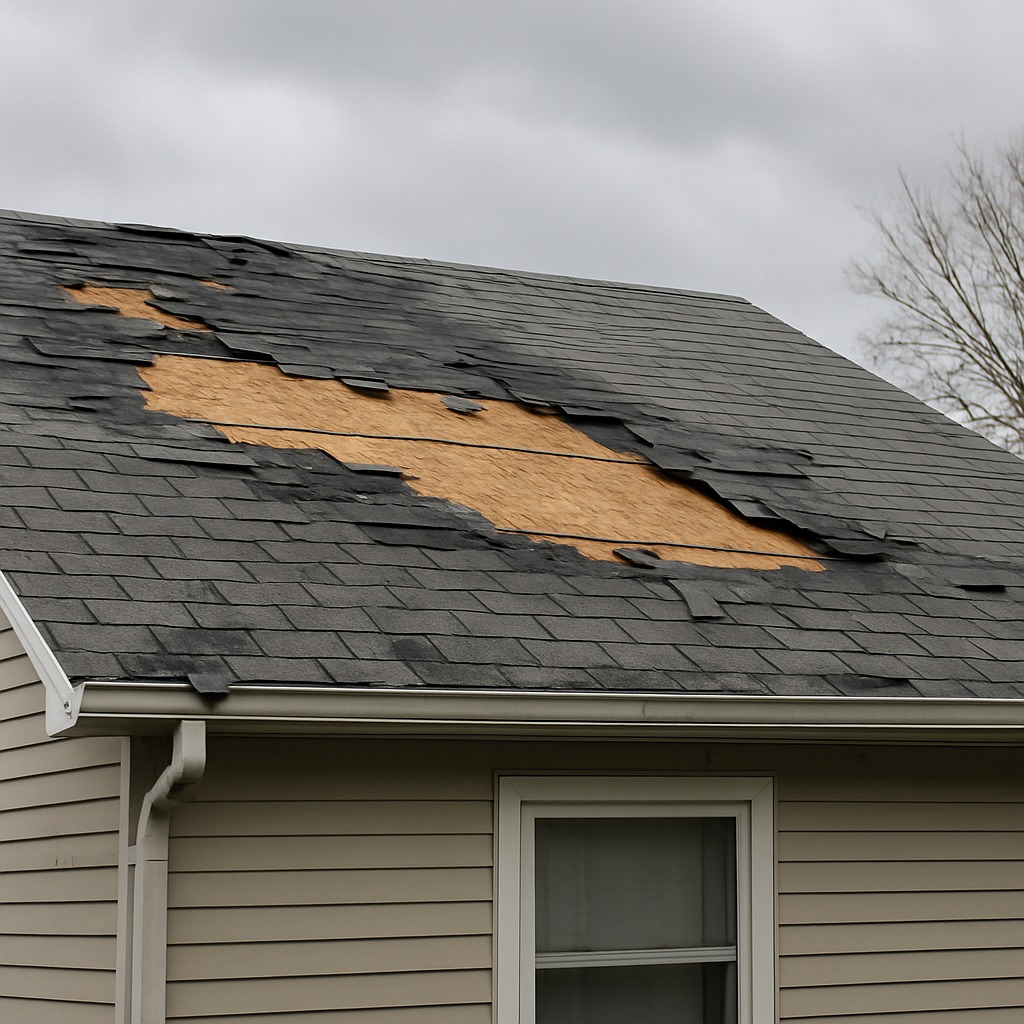
When shingles start falling off your roof, it's more than just a cosmetic problem — it's your home's first line of defense against water, wind, and weather damage breaking down in real time. Most homeowners first notice the issue when they spot shingles lying in the yard after a storm, find pieces of asphalt granules collecting in gutters, or notice a bare, patchy section of roof visible from the ground. Sometimes the warning is subtler: a neighbor mentions seeing something odd on your roof, or you spot a dark, exposed area while looking out an upstairs window. Shingles don't typically fall off without reason. The most common culprits include age-related brittleness, improper installation with insufficient nailing, prolonged wind or storm exposure, ice dam damage, or a combination of heat, moisture, and freeze-thaw cycling that loosens adhesive strips over time. If shingles are falling in clusters or from multiple roof sections, that pattern suggests widespread age deterioration or systemic installation problems rather than isolated storm damage. If loss is concentrated around flashing points — chimneys, vents, or valleys — it often signals that water infiltration has already begun weakening the underlayment beneath. This issue deserves prompt attention because every missing shingle is an open invitation for water to penetrate the roof deck. Even a single rainstorm can drive moisture into the wood sheathing beneath, leading to rot, mold growth in attic spaces, and eventually ceiling staining or structural compromise inside the home. Insurance claims also become complicated when documented storm damage is left unaddressed for weeks or months. Understanding what caused shingles to fall — not just replacing the missing ones — is the key to a lasting repair. This guide helps you assess what you're dealing with safely before a licensed roofer arrives.
Never walk on your roof to inspect or attempt repairs on your own, regardless of roof pitch or how accessible it looks from a ladder. Damaged or wet shingles are extremely slippery, and a roof with compromised shingles may have soft, rotted decking underneath that can give way unexpectedly underfoot. Falls from roofs are among the most common causes of serious DIY-related injuries at home. When placing a tarp from a ladder at the eave edge, work with a second person present, keep both feet on the ladder at all times, and never lean beyond arm's reach. Do not attempt ladder work in wind speeds above 15 mph, during or immediately after rain when surfaces are wet, or at night. If you enter your attic to check for water damage, watch your footing carefully — step only on joists, never on the drywall or insulation between them, as that material cannot support body weight. Be alert for any signs of mold growth, which can be a respiratory hazard in enclosed attic spaces. Wear a dust mask and bring adequate lighting. Leave any electrical concerns — such as wet insulation near junction boxes or recessed lighting — to licensed electricians before entering those areas.
The most common reason shingles fall off is a combination of age and adhesive failure. Standard asphalt shingles have a lifespan of roughly 20 to 30 years, and as they age, the asphalt layer becomes brittle, the adhesive thermal seal strip along each shingle's lower edge loses its bonding ability, and the granule surface that protects against UV degradation wears away. Once that seal bond weakens, wind uplift — even at moderate speeds — can peel shingles free. In newer roofs, missing shingles almost always point to an installation error: too few nails per shingle, nails placed too high on the shingle body rather than in the designated nail line, or improper sealing at the eaves. Both scenarios produce the same visible result but require different professional responses — targeted repairs versus a full re-roof evaluation.
What's visible from the ground often underrepresents the actual extent of the problem. When a shingle tears free, it frequently lifts or cracks adjacent shingles in the process, compromising their seal even if they haven't fallen yet. More critically, even brief exposure of the underlayment — the thin protective membrane between shingles and the wood deck — to driving rain or standing moisture can allow water to wick into the plywood or OSB sheathing beneath. That moisture causes wood rot that spreads silently, weakening the structural decking well beyond the footprint of the original missing shingles. A roofer doing a proper repair will always inspect the decking condition underneath removed or missing shingles, because replacing shingles over rotted wood produces a repair that will fail quickly and may void material warranties.
Before calling a professional, there are several safe, ground-level observations you can make that will help you describe the problem accurately, understand its likely scope, and communicate more effectively with a roofer. You do not need to climb onto the roof — in fact, walking on a damaged roof can worsen the problem and is genuinely dangerous without professional training and equipment. Instead, use your eyes, a pair of binoculars if available, and a quick walk around the perimeter of your home to gather useful information.
While full shingle replacement should be handled by a licensed roofer, there are practical containment steps you can take immediately to limit water damage to your home's interior and preserve evidence that may support an insurance claim. The goal here is protection and preparation — not a permanent repair. Attempting to nail shingles back yourself without understanding the underlayment condition or flashing situation can create a false sense of security while water damage continues underneath.
Walk your yard and roofline perimeter right now to collect fallen shingles and photograph all visible bare or damaged roof sections before weather changes.
You should contact a licensed roofer promptly any time shingles have actually fallen off — not just lifted or curled — because missing shingles expose raw roof decking to moisture in a way that worsens rapidly. Call a professional if you've identified three or more missing shingles in the same area, if bare sections are visible from the ground, or if your attic inspection revealed daylight, staining, or odors suggesting water has already entered. A roofer is also essential if shingles are missing around flashing points like chimneys, skylights, or roof valleys, since those intersections require precise sealing techniques that go well beyond simple shingle replacement. If your roof is more than 15 to 20 years old and multiple areas are affected simultaneously, a licensed roofer needs to assess whether you're looking at isolated repairs or a full roof replacement — a judgment that requires hands-on inspection of the decking and underlayment condition beneath the surface damage you can see.
Certain situations call for faster, same-day or emergency response. If it is actively raining or rain is imminent and you have confirmed water entering the attic or staining a ceiling, call immediately and ask specifically about emergency tarping services — many roofing companies offer this. If a large section of roof decking is visibly exposed after a major storm event, if a fallen tree or branch has also caused structural damage alongside shingle loss, or if you notice sagging in the roofline itself, treat this as an urgent situation. Sagging indicates that moisture has already compromised structural components and delay will substantially increase repair costs and potential safety risks to the home's occupants.
You should contact a licensed roofer promptly any time shingles have actually fallen off — not just lifted or curled — because missing shingles expose raw roof decking to moisture in a way that worsens rapidly. Call a professional if you've identified three or more missing shingles in the same area, if bare sections are visible from the ground, or if your attic inspection revealed daylight, staining, or odors suggesting water has already entered. A roofer is also essential if shingles are missing around flashing points like chimneys, skylights, or roof valleys, since those intersections require precise sealing techniques that go well beyond simple shingle replacement. If your roof is more than 15 to 20 years old and multiple areas are affected simultaneously, a licensed roofer needs to assess whether you're looking at isolated repairs or a full roof replacement — a judgment that requires hands-on inspection of the decking and underlayment condition beneath the surface damage you can see.
Certain situations call for faster, same-day or emergency response. If it is actively raining or rain is imminent and you have confirmed water entering the attic or staining a ceiling, call immediately and ask specifically about emergency tarping services — many roofing companies offer this. If a large section of roof decking is visibly exposed after a major storm event, if a fallen tree or branch has also caused structural damage alongside shingle loss, or if you notice sagging in the roofline itself, treat this as an urgent situation. Sagging indicates that moisture has already compromised structural components and delay will substantially increase repair costs and potential safety risks to the home's occupants.
You should contact a licensed roofer promptly any time shingles have actually fallen off — not just lifted or curled — because missing shingles expose raw roof decking to moisture in a way that worsens rapidly. Call a professional if you've identified three or more missing shingles in the same area, if bare sections are visible from the ground, or if your attic inspection revealed daylight, staining, or odors suggesting water has already entered. A roofer is also essential if shingles are missing around flashing points like chimneys, skylights, or roof valleys, since those intersections require precise sealing techniques that go well beyond simple shingle replacement. If your roof is more than 15 to 20 years old and multiple areas are affected simultaneously, a licensed roofer needs to assess whether you're looking at isolated repairs or a full roof replacement — a judgment that requires hands-on inspection of the decking and underlayment condition beneath the surface damage you can see.
Certain situations call for faster, same-day or emergency response. If it is actively raining or rain is imminent and you have confirmed water entering the attic or staining a ceiling, call immediately and ask specifically about emergency tarping services — many roofing companies offer this. If a large section of roof decking is visibly exposed after a major storm event, if a fallen tree or branch has also caused structural damage alongside shingle loss, or if you notice sagging in the roofline itself, treat this as an urgent situation. Sagging indicates that moisture has already compromised structural components and delay will substantially increase repair costs and potential safety risks to the home's occupants.