
ISSUE GUIDE
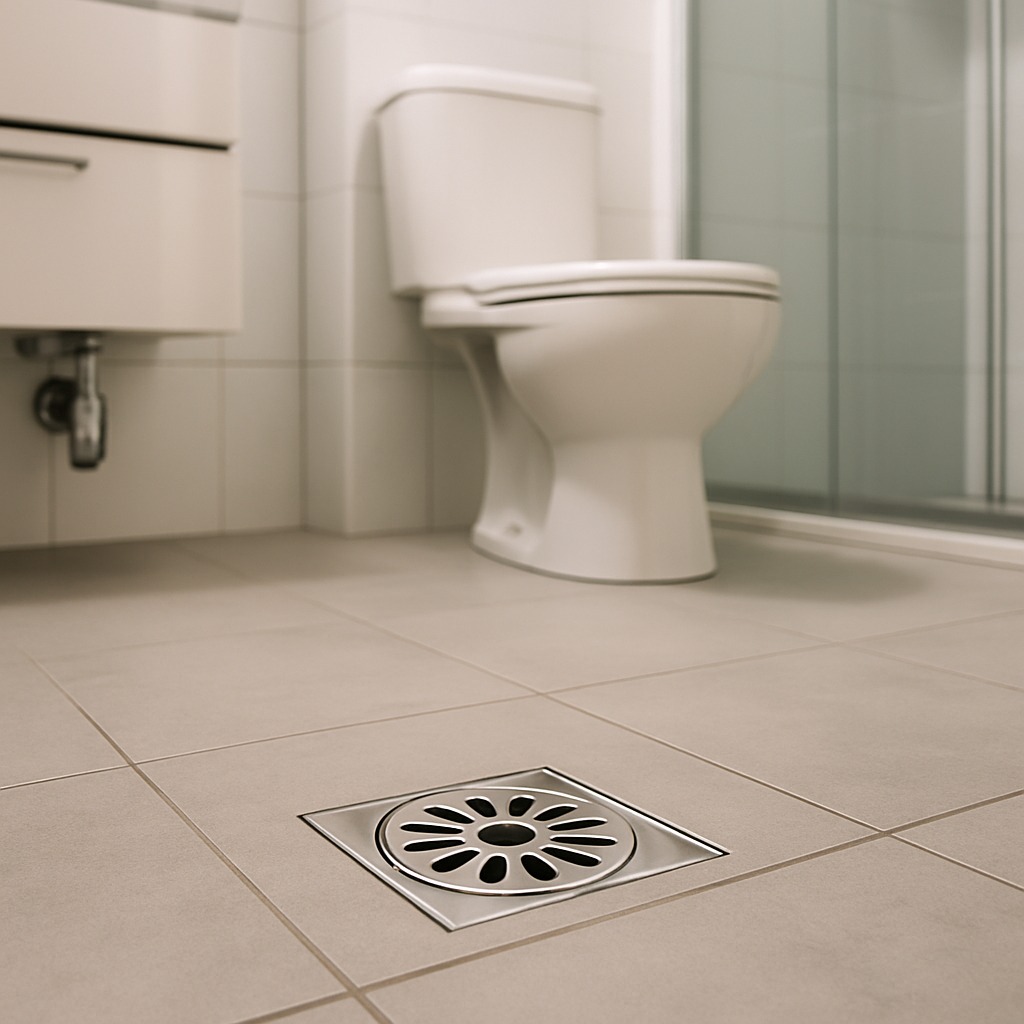
That unmistakable rotten egg or sulfur odor drifting through your home is more than just unpleasant — it's your plumbing system sending you a warning signal that deserves immediate attention. A sewage smell inside a house almost always points to a breakdown somewhere in the barrier between your living space and the sewer gases that naturally accumulate in drain lines, septic systems, and underground pipes. Left unaddressed, these gases aren't just offensive; some of them, particularly hydrogen sulfide and methane, can pose real health and safety risks. Most homeowners first notice the smell near a bathroom, basement floor drain, or utility sink — especially in areas that don't see frequent use. A guest bathroom that sits unused for weeks, a basement shower nobody showers in, or a laundry sink that rarely runs water are classic first complaint locations. The smell may come and go, intensify after rain, or appear consistently in one specific room. Each of these patterns is a clue. If the odor is strongest near a single fixture, the cause is likely localized — a dried-out P-trap or a faulty wax ring beneath a toilet. If the smell seems to permeate multiple rooms or comes from floor-level vents and drains, the problem may be more systemic, pointing toward a cracked drain line, a failing vent stack, or issues with your septic system. A smell that arrives after heavy rain often suggests a compromised outdoor cleanout or sewer line with groundwater infiltration. The good news is that many causes of sewage smell are fixable without major excavation or expense. But identifying the right cause matters enormously, because treating a dried P-trap when you actually have a cracked sewer line only delays a much larger repair. This guide walks you through safe observations, containment steps, and clear signals that it's time to call a licensed plumber.
Sewer gas is not just unpleasant — it contains hydrogen sulfide and methane, both of which are hazardous in enclosed spaces. Hydrogen sulfide is toxic even at low concentrations with prolonged exposure, and methane is flammable and can accumulate to explosive levels in poorly ventilated basements or crawlspaces. Never use an open flame, lit candle, or spark-producing device to search for the odor source. Do not operate light switches or electrical equipment in a basement or enclosed area where sewer gas odor is strong until the space has been ventilated. If the smell is overwhelming in any room, do not enter — open exterior doors and windows from the outside if possible and allow the space to air out before re-entering. Children, elderly individuals, and people with respiratory conditions are more vulnerable to hydrogen sulfide exposure and should be kept away from heavily affected areas. If anyone reports dizziness, headache, or nausea during your investigation, exit the home immediately, get fresh air, and call 911. Never assume a sewage smell is harmless simply because you've smelled it before.
The single most common cause of sewage smell in a home is a dried P-trap — the U-shaped curved pipe beneath every drain fixture designed to hold a small reservoir of water that physically blocks sewer gas from rising up through the drain opening. When a sink, tub, shower, or floor drain goes unused for several weeks, that water evaporates and the gas barrier disappears entirely. This is especially common in vacation homes, newly purchased properties that sat vacant, or basement drains that homeowners rarely think about. The fix in this case is genuinely simple: run water. The second most common cause is a damaged or improperly seated wax ring at the base of a toilet, which allows sewer gas to seep into the bathroom continuously and sometimes spread through wall cavities into adjacent rooms. These two causes together account for the majority of sewage smell complaints in residential homes.
When localized fixes don't resolve the smell, the problem typically points to something less visible and more serious. A cracked or offset drain line inside a wall or beneath a slab can release gas consistently without producing any obvious water leak at first — by the time you see water damage, the gas exposure has already been ongoing for some time. Vent stack blockages, often caused by debris, bird nests, or ice in colder climates, trap sewer gas in the drain system and force it back through fixture traps under pressure. A compromised main sewer line — from root intrusion, age-related cracking, or ground shifting — can affect the entire home's drainage system simultaneously. In each of these cases, what you're smelling is just the symptom; the underlying structural damage to your plumbing is the real issue that requires professional camera inspection and targeted repair before conditions worsen.
Before calling anyone or touching any plumbing, take a methodical walk through your home to gather information. The goal here is observation only — you're building a case file for yourself and any professional you eventually bring in. No tools, no disassembly, no chemicals yet. Pay attention to where the smell is strongest, what time of day it appears, and which fixtures or rooms seem to be ground zero. Good detective work now can save significant diagnostic time and money later.
The steps below aren't full repairs — they're smart, safe actions you can take right now to contain the problem, potentially eliminate a simple cause, and protect your home while you determine next steps. Think of this as triage. Some of these steps may resolve the odor entirely if the cause is straightforward. Others will help you rule out the easy fixes so you know with more confidence when a professional is truly needed. Work through them in order and note what changes after each one.
Right now, run water for 60 seconds into every unused drain in your home to refill dried P-traps and immediately reduce sewer gas infiltration.
Call a licensed plumber if running water into unused drains does not resolve the smell within 24 hours, if the odor is present in multiple rooms simultaneously, or if you can identify no obvious fixture as the source. A professional should also be contacted if you notice any gurgling sounds coming from drains when toilets flush — this is a classic indicator of a blocked or damaged main sewer line rather than a localized trap issue. Similarly, if you've found a cracked cleanout cap, evidence of moisture around the toilet base, or visible damage to any drain pipe under a sink, those repairs require professional tools, proper materials, and code-compliant workmanship. Attempting to reset a wax ring or repair a drain line without experience often results in improper seals that fail again quickly. If your home uses a septic system and the smell is present both indoors and in the yard near the tank or drain field, contact a plumber and septic specialist promptly — this combination of symptoms can indicate a full or failing system that requires professional pumping and inspection.
Treat the situation as higher urgency — meaning contact a plumber the same day — if the sewage smell is strong, persistent, and present throughout your home rather than isolated to one fixture. A pervasive, building-wide odor can indicate a cracked main sewer line or a blocked vent stack, both of which create continuous gas infiltration with no natural escape route. If anyone in the home begins experiencing headaches, dizziness, nausea, or eye irritation alongside the smell, evacuate the affected area immediately and call both a plumber and your gas utility if applicable, as methane and hydrogen sulfide at elevated concentrations are genuinely dangerous. Do not ignore these symptoms.
Call a licensed plumber if running water into unused drains does not resolve the smell within 24 hours, if the odor is present in multiple rooms simultaneously, or if you can identify no obvious fixture as the source. A professional should also be contacted if you notice any gurgling sounds coming from drains when toilets flush — this is a classic indicator of a blocked or damaged main sewer line rather than a localized trap issue. Similarly, if you've found a cracked cleanout cap, evidence of moisture around the toilet base, or visible damage to any drain pipe under a sink, those repairs require professional tools, proper materials, and code-compliant workmanship. Attempting to reset a wax ring or repair a drain line without experience often results in improper seals that fail again quickly. If your home uses a septic system and the smell is present both indoors and in the yard near the tank or drain field, contact a plumber and septic specialist promptly — this combination of symptoms can indicate a full or failing system that requires professional pumping and inspection.
Treat the situation as higher urgency — meaning contact a plumber the same day — if the sewage smell is strong, persistent, and present throughout your home rather than isolated to one fixture. A pervasive, building-wide odor can indicate a cracked main sewer line or a blocked vent stack, both of which create continuous gas infiltration with no natural escape route. If anyone in the home begins experiencing headaches, dizziness, nausea, or eye irritation alongside the smell, evacuate the affected area immediately and call both a plumber and your gas utility if applicable, as methane and hydrogen sulfide at elevated concentrations are genuinely dangerous. Do not ignore these symptoms.
Call a licensed plumber if running water into unused drains does not resolve the smell within 24 hours, if the odor is present in multiple rooms simultaneously, or if you can identify no obvious fixture as the source. A professional should also be contacted if you notice any gurgling sounds coming from drains when toilets flush — this is a classic indicator of a blocked or damaged main sewer line rather than a localized trap issue. Similarly, if you've found a cracked cleanout cap, evidence of moisture around the toilet base, or visible damage to any drain pipe under a sink, those repairs require professional tools, proper materials, and code-compliant workmanship. Attempting to reset a wax ring or repair a drain line without experience often results in improper seals that fail again quickly. If your home uses a septic system and the smell is present both indoors and in the yard near the tank or drain field, contact a plumber and septic specialist promptly — this combination of symptoms can indicate a full or failing system that requires professional pumping and inspection.
Treat the situation as higher urgency — meaning contact a plumber the same day — if the sewage smell is strong, persistent, and present throughout your home rather than isolated to one fixture. A pervasive, building-wide odor can indicate a cracked main sewer line or a blocked vent stack, both of which create continuous gas infiltration with no natural escape route. If anyone in the home begins experiencing headaches, dizziness, nausea, or eye irritation alongside the smell, evacuate the affected area immediately and call both a plumber and your gas utility if applicable, as methane and hydrogen sulfide at elevated concentrations are genuinely dangerous. Do not ignore these symptoms.