
ISSUE GUIDE
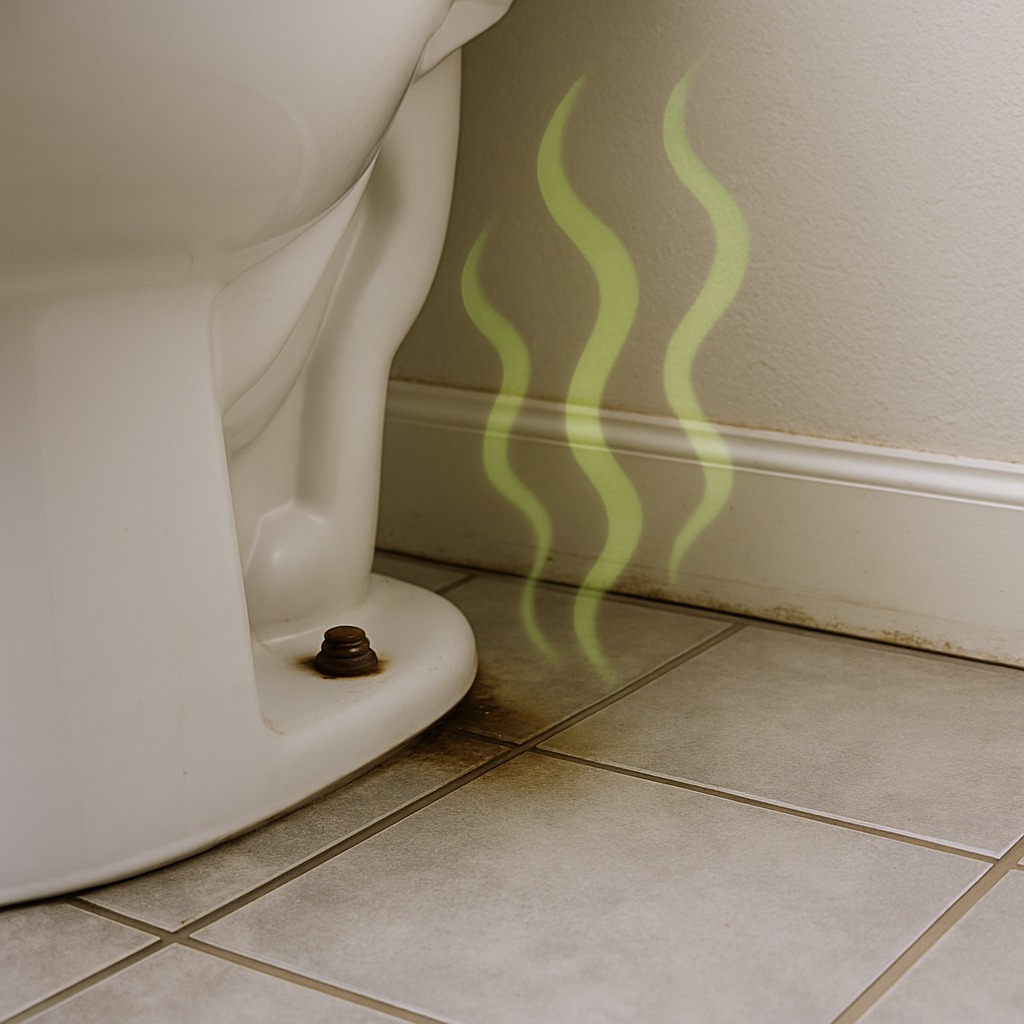
A sewer smell in the bathroom is one of those problems that's hard to ignore — and you shouldn't. That distinct rotten egg or sulfur-like odor coming from your toilet, sink drain, or shower is more than just unpleasant. It's a signal that something in your plumbing system isn't working the way it should, and in some cases, it can point to a serious issue that needs prompt attention. Most homeowners first notice the smell early in the morning or after returning home from time away. It might be strongest near the floor drain, under the sink, or around the base of the toilet. Sometimes it comes and goes — worse after heavy rain or during humid weather — and other times it lingers no matter what you do. That inconsistency often confuses people, but it actually helps diagnose the cause. The most common culprits include a dried-out P-trap, a cracked or loose wax ring at the toilet base, a blocked or poorly vented drain line, or a more serious sewer line issue deeper in the system. Each of these has slightly different clue patterns. A dried P-trap usually produces a smell only in one fixture after a period of disuse. A bad wax ring tends to smell near the toilet base and may be accompanied by slight floor staining or movement in the toilet. Venting problems often affect multiple drains at once. Why does it matter beyond the smell? Sewer gas contains hydrogen sulfide and potentially methane, both of which can be harmful in high concentrations. At low levels, exposure causes headaches and nausea. At higher levels, it becomes a genuine health and safety hazard. Getting to the root of the smell quickly protects your family and prevents small plumbing problems from becoming expensive repairs.
Sewer gas is not just unpleasant — it contains hydrogen sulfide, methane, ammonia, and other compounds that pose real health and safety risks. Hydrogen sulfide is toxic even at relatively low concentrations, causing eye irritation, headaches, nausea, and dizziness with prolonged exposure. Methane is flammable and can create an explosion or fire risk if it accumulates in an enclosed space near an ignition source like a water heater pilot light or electrical spark. Never ignore a strong or sudden sewer smell that fills multiple rooms. If the odor is overwhelming, leave the home immediately, ventilate by opening doors and windows if you can do so safely without lingering, and call a plumber from outside. Do not light candles, use matches, or trigger electrical switches in a space where you suspect heavy sewer gas concentration. Avoid attempting to open sewer cleanout caps or disassemble drain pipes on your own unless you have plumbing experience — releasing a blocked line without proper equipment can result in sewage backflow exposure, which is a serious biohazard. Always wash hands thoroughly after touching any drain components, and keep children and pets out of bathrooms with active sewer odor until the issue is resolved and the space has been properly ventilated.
The most common cause of sewer smell in a bathroom is a dried or empty P-trap. Every drain fixture in your home has a curved pipe section beneath it that holds a small amount of water at all times, forming a physical barrier that prevents sewer gases from traveling back up through the drain and into your living space. When a drain goes unused for an extended period — a guest bathroom sink, a basement floor drain, or a vacation home — that water evaporates and the barrier disappears. This is actually great news when it's the cause, because refilling the trap with water takes about 30 seconds and costs nothing. The second most common cause is a failed wax ring seal at the base of the toilet, which allows sewer gas to escape continuously around the toilet base and into the bathroom.
When visible signs accompany the smell — such as discoloration at the toilet base, soft or spongy flooring, staining under the sink cabinet, or gurgling sounds from multiple drains — the problem is rarely limited to what you can see on the surface. A rocking toilet that has broken its wax seal, for example, has often been leaking slowly for weeks or months, meaning subfloor damage and potential mold growth underneath may already be present. Similarly, if drain gurgling accompanies the smell across multiple fixtures, the vent stack that allows air into the drain system may be blocked by debris or a bird's nest, and that back-pressure problem is actively stressing every drain connection in the line. What looks like a simple odor problem can reveal a chain of plumbing issues that a professional needs to assess properly.
Before calling a plumber, there are several safe observations you can make around your bathroom that don't require any tools or specialized knowledge. These checks help narrow down where the smell is coming from and give a professional a clearer starting point if you do need to call one in.
While a licensed plumber should handle most repairs related to sewer odor, there are several damage-control and containment steps you can take right now to reduce the smell, protect your home, and make the situation safer while you arrange professional help.
Run water into every bathroom drain right now to refill P-traps and see if the sewer smell clears within the hour.
You should call a licensed plumber if the sewer smell persists after refilling the P-traps, if it affects multiple fixtures or rooms, or if you notice any visible signs of water damage near the toilet base or under sink cabinets. A plumber is also necessary if your toilet is rocking, gurgling when flushed, or slow to drain, as these symptoms together can indicate a failed wax ring, a blocked vent stack, or a compromised sewer line. Any time you're unsure whether the smell is coming from a small fix or something deeper in the drain system, professional diagnosis is the right call — attempting to reseal a toilet or open drain cleanout points without experience can make the situation worse and more expensive to repair.
Some situations require urgent professional attention rather than a scheduled appointment. If the smell is sudden and very strong throughout the home rather than limited to one bathroom, this could indicate a serious sewer line break or backup and needs immediate service. If anyone in the household is experiencing headaches, dizziness, nausea, or eye irritation alongside the smell, evacuate the area and call a plumber right away, as high concentrations of hydrogen sulfide and methane from sewer gas are genuinely dangerous. Similarly, if you notice sewage backing up into tubs, toilets, or floor drains — especially in lower-level bathrooms — that is a sign of a full sewer line blockage that requires emergency plumbing service before the situation causes major water damage or health hazards.
You should call a licensed plumber if the sewer smell persists after refilling the P-traps, if it affects multiple fixtures or rooms, or if you notice any visible signs of water damage near the toilet base or under sink cabinets. A plumber is also necessary if your toilet is rocking, gurgling when flushed, or slow to drain, as these symptoms together can indicate a failed wax ring, a blocked vent stack, or a compromised sewer line. Any time you're unsure whether the smell is coming from a small fix or something deeper in the drain system, professional diagnosis is the right call — attempting to reseal a toilet or open drain cleanout points without experience can make the situation worse and more expensive to repair.
Some situations require urgent professional attention rather than a scheduled appointment. If the smell is sudden and very strong throughout the home rather than limited to one bathroom, this could indicate a serious sewer line break or backup and needs immediate service. If anyone in the household is experiencing headaches, dizziness, nausea, or eye irritation alongside the smell, evacuate the area and call a plumber right away, as high concentrations of hydrogen sulfide and methane from sewer gas are genuinely dangerous. Similarly, if you notice sewage backing up into tubs, toilets, or floor drains — especially in lower-level bathrooms — that is a sign of a full sewer line blockage that requires emergency plumbing service before the situation causes major water damage or health hazards.
You should call a licensed plumber if the sewer smell persists after refilling the P-traps, if it affects multiple fixtures or rooms, or if you notice any visible signs of water damage near the toilet base or under sink cabinets. A plumber is also necessary if your toilet is rocking, gurgling when flushed, or slow to drain, as these symptoms together can indicate a failed wax ring, a blocked vent stack, or a compromised sewer line. Any time you're unsure whether the smell is coming from a small fix or something deeper in the drain system, professional diagnosis is the right call — attempting to reseal a toilet or open drain cleanout points without experience can make the situation worse and more expensive to repair.
Some situations require urgent professional attention rather than a scheduled appointment. If the smell is sudden and very strong throughout the home rather than limited to one bathroom, this could indicate a serious sewer line break or backup and needs immediate service. If anyone in the household is experiencing headaches, dizziness, nausea, or eye irritation alongside the smell, evacuate the area and call a plumber right away, as high concentrations of hydrogen sulfide and methane from sewer gas are genuinely dangerous. Similarly, if you notice sewage backing up into tubs, toilets, or floor drains — especially in lower-level bathrooms — that is a sign of a full sewer line blockage that requires emergency plumbing service before the situation causes major water damage or health hazards.