
ISSUE GUIDE
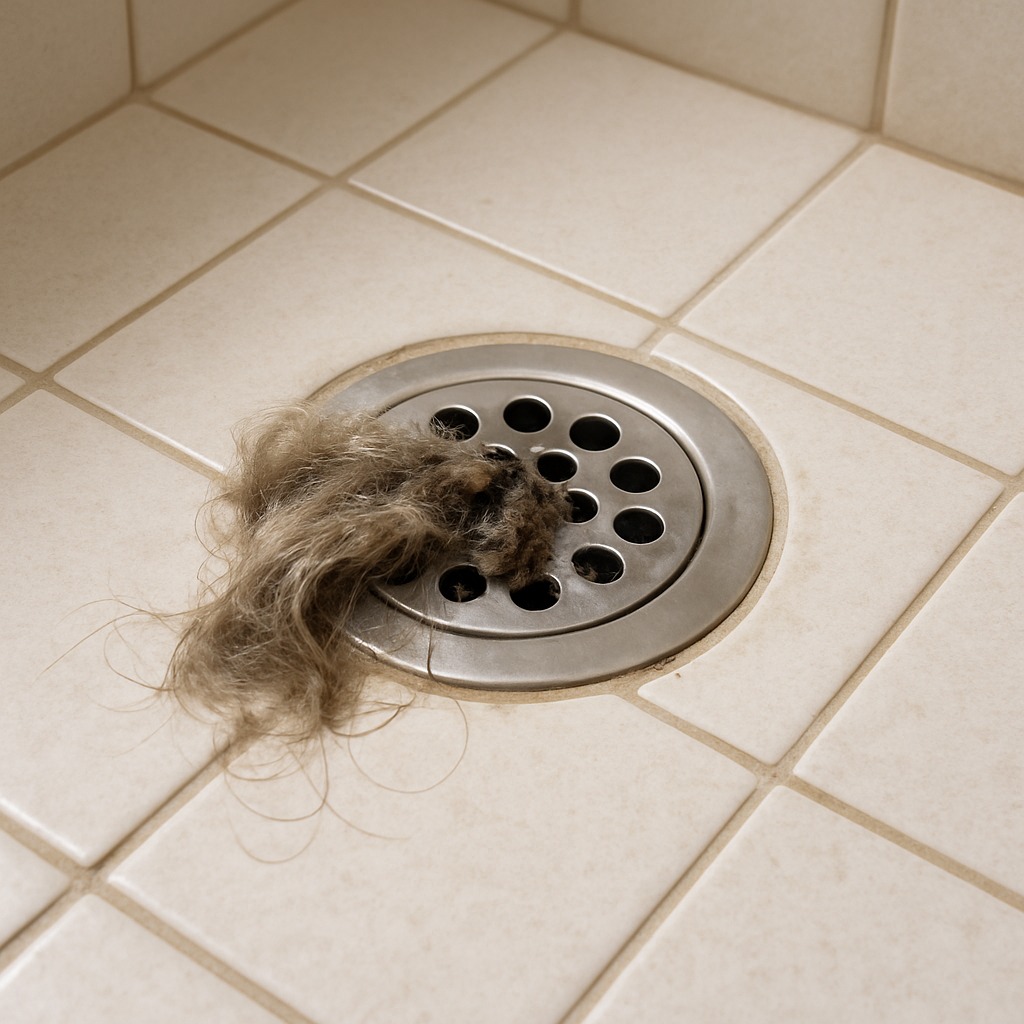
A clogged shower drain is one of the most common plumbing problems homeowners face, and it usually announces itself in a very specific way: you step into the shower and find yourself standing in a growing pool of water that just won't go down. What starts as a minor annoyance can quickly escalate into a genuine household headache if left unaddressed. The good news is that early detection makes all the difference between a simple fix and a costly repair. Most homeowners first notice the problem when water pools around their feet during a shower, drains unusually slowly after they finish, or produces a gurgling sound as it finally disappears. You might also detect a musty or sour odor rising from the drain — a telltale sign that trapped organic material is decomposing inside the pipe. In some cases, a fully blocked drain will hold standing water for hours after use. The most common culprit is a buildup of hair, soap scum, and body oils that accumulate over months of normal use. These materials bind together inside the drain pipe, gradually narrowing the passage until water can barely move through. In older homes, mineral deposits from hard water can compound the problem significantly. Less commonly, a clogged shower drain points to a deeper issue in the main sewer line, especially if multiple drains in your home are backing up simultaneously. Ignoring a clogged shower drain is never a smart move. Standing water creates slip hazards in the shower, encourages mold and mildew growth on bathroom surfaces, and puts strain on drain seals that can eventually cause leaks beneath your floor. Catching it early — and understanding what the clues are telling you — puts you in control of the situation before it spirals into something far more expensive.
When dealing with a clogged shower drain, keep these important safety warnings in mind before taking any action. Never mix chemical drain cleaners with each other or with baking soda and vinegar — combining different chemical products can produce dangerous fumes or cause a violent reaction that splashes caustic liquid onto your skin and eyes. If you have already used a chemical drain cleaner, inform your plumber before they begin work, as exposure to residual chemicals during snaking is a serious occupational hazard. Wear rubber gloves any time you reach into or near a drain opening, since drain interiors harbor bacteria and sharp pipe edges that can cause cuts and infections. Do not use a plunger on a shower drain after applying chemical cleaners, as this can force chemical-laden water back up toward your face and body. If you detect a strong sewage gas or sulfur smell coming from the drain, ventilate the bathroom immediately by opening windows and doors, avoid using any ignition sources including light switches, and leave the area — hydrogen sulfide and methane found in sewer gas are both toxic and potentially flammable. Always ensure the bathroom is well-ventilated when working near any drain, and keep children and pets out of the area during any unclogging attempt.
In the vast majority of cases, a clogged shower drain is caused by an accumulation of hair, soap scum, and body oils that builds up gradually inside the drain pipe over months or years of normal use. Hair is particularly problematic because it doesn't dissolve in water — instead, it tangles around the drain stopper or the inside of the pipe, creating a net-like structure that traps soap residue, skin cells, and mineral deposits from hard water. Over time, this organic mass grows dense enough to significantly restrict or completely block water flow. This type of clog typically starts as a slow drain that worsens progressively, giving homeowners plenty of warning before it becomes a full blockage. Installing a hair catcher over the drain is one of the most effective long-term preventive measures available and costs only a few dollars.
What you can see at the surface of the drain rarely tells the full story about what's happening deeper in the pipe. A clump of hair visible just below the drain grate is almost always accompanied by additional buildup further down the pipe that you cannot see or reach without tools. In older homes with galvanized steel or cast iron drain pipes, visible corrosion around the drain flange or a consistently recurring clog can indicate that pipe walls have roughened with age, making them far more prone to catching debris and accelerating buildup. If the clog cleared briefly after treatment but returned quickly, that pattern strongly suggests a partial pipe restriction caused by mineral scaling, pipe deformation, or in some cases, tree root intrusion in the underground portion of the drain line — all of which require professional diagnosis and intervention to properly resolve.
Before calling a professional or attempting any repairs, take a few minutes to carefully observe what's happening with your shower drain. These safe, no-tool checks will help you understand the severity of the clog and give a plumber valuable information if one is needed. Never remove the drain cover or insert anything into the drain as part of these observations — just look and listen.
If your shower drain is clogged, there are several practical containment and preparation steps you can take right away to limit any potential damage and get the situation under control before a plumber arrives or before you attempt a more thorough fix. These steps focus on safety, damage prevention, and setting yourself up for success — not on forcing a full repair.
Right now, stop using the shower and remove any visible hair from the drain cover using needle-nose pliers or a drain cleaning tool.
While many minor shower drain clogs can be addressed with basic household techniques, there are clear situations where calling a licensed plumber is the right move. If you have tried the baking soda and vinegar method, removed visible debris, and the drain is still not flowing normally, the blockage is likely deeper in the pipe than a homeowner can safely reach without professional tools. Similarly, if you use a store-bought chemical drain cleaner and the problem persists, stop — repeated chemical treatments can corrode older pipes and make the situation significantly worse. Any time multiple drains in your home are slow or backing up at the same time, that pattern points to a main sewer line blockage that only a plumber with a professional snake or hydro-jetting equipment can properly clear. You should also call a pro if you notice that your toilet gurgles or bubbles when you run the shower, as this cross-fixture symptom almost always indicates a venting or main line issue.
Some situations demand urgent professional attention rather than a routine service call. If sewage-smelling water or actual sewage is backing up into your shower, this is a plumbing emergency — stop using all water in the home and call a plumber immediately, as raw sewage exposure is a serious health hazard. Likewise, if you notice water stains, soft flooring, or moisture around the base of the shower, a compromised drain seal may already be causing structural water damage beneath the floor, which can spread rapidly and become extremely expensive to remediate. Recurring clogs that return within days of being cleared also suggest an underlying pipe issue, such as a partial collapse, root intrusion, or severe mineral buildup, that warrants a professional camera inspection.
While many minor shower drain clogs can be addressed with basic household techniques, there are clear situations where calling a licensed plumber is the right move. If you have tried the baking soda and vinegar method, removed visible debris, and the drain is still not flowing normally, the blockage is likely deeper in the pipe than a homeowner can safely reach without professional tools. Similarly, if you use a store-bought chemical drain cleaner and the problem persists, stop — repeated chemical treatments can corrode older pipes and make the situation significantly worse. Any time multiple drains in your home are slow or backing up at the same time, that pattern points to a main sewer line blockage that only a plumber with a professional snake or hydro-jetting equipment can properly clear. You should also call a pro if you notice that your toilet gurgles or bubbles when you run the shower, as this cross-fixture symptom almost always indicates a venting or main line issue.
Some situations demand urgent professional attention rather than a routine service call. If sewage-smelling water or actual sewage is backing up into your shower, this is a plumbing emergency — stop using all water in the home and call a plumber immediately, as raw sewage exposure is a serious health hazard. Likewise, if you notice water stains, soft flooring, or moisture around the base of the shower, a compromised drain seal may already be causing structural water damage beneath the floor, which can spread rapidly and become extremely expensive to remediate. Recurring clogs that return within days of being cleared also suggest an underlying pipe issue, such as a partial collapse, root intrusion, or severe mineral buildup, that warrants a professional camera inspection.
While many minor shower drain clogs can be addressed with basic household techniques, there are clear situations where calling a licensed plumber is the right move. If you have tried the baking soda and vinegar method, removed visible debris, and the drain is still not flowing normally, the blockage is likely deeper in the pipe than a homeowner can safely reach without professional tools. Similarly, if you use a store-bought chemical drain cleaner and the problem persists, stop — repeated chemical treatments can corrode older pipes and make the situation significantly worse. Any time multiple drains in your home are slow or backing up at the same time, that pattern points to a main sewer line blockage that only a plumber with a professional snake or hydro-jetting equipment can properly clear. You should also call a pro if you notice that your toilet gurgles or bubbles when you run the shower, as this cross-fixture symptom almost always indicates a venting or main line issue.
Some situations demand urgent professional attention rather than a routine service call. If sewage-smelling water or actual sewage is backing up into your shower, this is a plumbing emergency — stop using all water in the home and call a plumber immediately, as raw sewage exposure is a serious health hazard. Likewise, if you notice water stains, soft flooring, or moisture around the base of the shower, a compromised drain seal may already be causing structural water damage beneath the floor, which can spread rapidly and become extremely expensive to remediate. Recurring clogs that return within days of being cleared also suggest an underlying pipe issue, such as a partial collapse, root intrusion, or severe mineral buildup, that warrants a professional camera inspection.