
ISSUE GUIDE
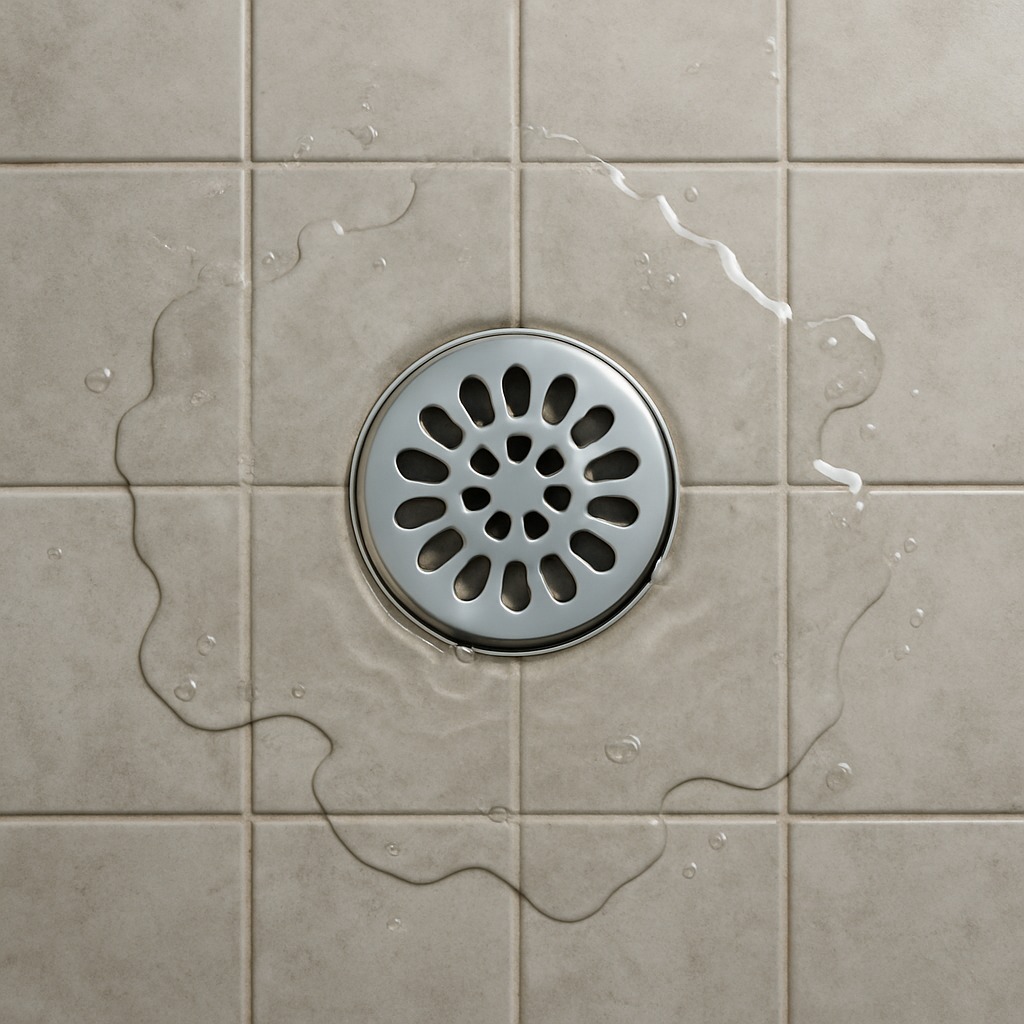
A slow shower drain is one of those household annoyances that starts small and quietly signals something more serious brewing beneath your feet. What begins as water pooling around your ankles during a shower can escalate into a fully blocked drain, water damage to surrounding flooring, or even sewage backup if left unaddressed. Most homeowners first notice the problem when water takes longer than usual to clear after the shower turns off — sometimes leaving a sudsy ring around the base of the tub or shower pan. The causes behind a slow shower drain range from simple to surprisingly complex. The most common culprit is an accumulation of hair, soap scum, and body oils that gradually narrows the drain opening or builds up along the pipe walls just below the drain cover. This type of clog is shallow, accessible, and often manageable. However, a slow drain can also point to deeper problems: mineral scale buildup inside older pipes, a partial blockage further down the drain line, venting issues that affect drainage pressure, or even early signs of pipe corrosion or root intrusion in more mature homes. Pay attention to clue patterns that can help narrow the cause. If only your shower drains slowly while sinks and toilets function normally, the blockage is almost certainly localized near the shower drain itself. If multiple fixtures throughout the home drain sluggishly at the same time, the problem likely sits in a shared drain line or the main sewer line. Gurgling sounds from the drain, foul odors rising from the shower floor, or water backing up into a nearby tub or sink are all red flags that push the problem beyond a simple hair clog. Prompt attention prevents a nuisance from becoming a costly plumbing emergency.
When dealing with a slow shower drain, a few specific safety precautions can prevent a manageable issue from becoming a hazardous one. First, never mix chemical drain cleaners with each other or with the baking soda and vinegar method — combining different drain products can trigger violent chemical reactions that splash caustic liquid onto your skin and eyes. If you have already poured a commercial drain cleaner into the drain and it has not worked, inform your plumber before they begin work so they can take appropriate precautions. Second, avoid using a plunger on a drain that still contains standing chemical cleaner, as the splashing motion can send the solution back onto your face and hands. Always wear rubber gloves when reaching into or near the drain opening, since bacteria and mold thrive in slow drain buildup and direct contact carries a real infection risk. If you use a drain snake, feed it slowly and avoid forcing it around tight bends, which can crack older pipe joints from the inside. Finally, if you detect a strong sewage smell rising from the drain, do not linger in the enclosed shower space for extended periods — poor ventilation can allow gases to accumulate to uncomfortable or mildly hazardous levels. Open a bathroom window or run the exhaust fan while working.
In the majority of cases, a slow shower drain comes down to one thing: a hair and soap scum clog forming in the first six to twelve inches of pipe directly beneath the drain cover. Every shower sends loose hair, skin cells, shampoo residue, and bar soap particles down the drain. Hair catches on the drain strainer or on rough edges inside the pipe, and soap scum acts like glue that binds the accumulation together into a dense, water-resistant mass. Over time this plug narrows the pipe opening enough to slow drainage noticeably. This type of clog is the most benign explanation and the most likely one if your problem developed gradually and only affects the shower. It is worth checking and clearing before assuming anything more serious is at play.
Before reaching for any tools or chemical products, take a few minutes to observe and gather information about your slow shower drain. These simple visual and sensory checks cost nothing, require no disassembly, and can tell you a great deal about what is happening — and how serious it is. Being an informed homeowner before calling a professional also helps you describe the problem accurately, which can save time and money on the service call.
The following steps are not intended as a full drain repair — they are practical, low-risk actions designed to address surface-level clogs, prevent the situation from worsening, and prepare your shower for a professional visit if one becomes necessary. Use these steps cautiously. Avoid aggressive chemical drain cleaners, which can damage older pipes and create hazardous conditions for any plumber who follows up.
Remove your shower drain cover right now and pull out any visible hair and soap buildup using rubber gloves or needle-nose pliers.
You should contact a licensed plumber when your DIY efforts have not improved drainage, when the drain is completely blocked and water will not clear at all, or when the slow drain is accompanied by other symptoms throughout the home. Specifically, if multiple fixtures are draining slowly at the same time, if you hear gurgling from other drains when you use the shower, or if sewage odors are present, these are signs that the blockage is not localized to the shower trap and lies deeper in your plumbing system. Similarly, if you have an older home with galvanized steel or cast iron pipes, aggressive DIY methods can cause more harm than good — a plumber with a camera inspection tool can diagnose the real cause without guesswork. If previous attempts with a drain snake have pushed a clog further in rather than removing it, stop and call before the blockage becomes harder to reach.
Some situations require a faster response and should not wait for a routine appointment. If water is backing up into your shower from another fixture — such as a toilet overflow or sink backflow — that is a sewer line emergency requiring same-day service. Standing water that will not drain at all combined with multiple affected fixtures could indicate a main sewer blockage, which poses a sanitation risk to your home. Visible water damage around the shower base, soft flooring, or bubbling tiles suggests water has already escaped containment, and continued use will worsen structural damage quickly. Any time you notice black water or raw sewage content in the backup, stop using all water in the home and call a plumber immediately.
You should contact a licensed plumber when your DIY efforts have not improved drainage, when the drain is completely blocked and water will not clear at all, or when the slow drain is accompanied by other symptoms throughout the home. Specifically, if multiple fixtures are draining slowly at the same time, if you hear gurgling from other drains when you use the shower, or if sewage odors are present, these are signs that the blockage is not localized to the shower trap and lies deeper in your plumbing system. Similarly, if you have an older home with galvanized steel or cast iron pipes, aggressive DIY methods can cause more harm than good — a plumber with a camera inspection tool can diagnose the real cause without guesswork. If previous attempts with a drain snake have pushed a clog further in rather than removing it, stop and call before the blockage becomes harder to reach.
Some situations require a faster response and should not wait for a routine appointment. If water is backing up into your shower from another fixture — such as a toilet overflow or sink backflow — that is a sewer line emergency requiring same-day service. Standing water that will not drain at all combined with multiple affected fixtures could indicate a main sewer blockage, which poses a sanitation risk to your home. Visible water damage around the shower base, soft flooring, or bubbling tiles suggests water has already escaped containment, and continued use will worsen structural damage quickly. Any time you notice black water or raw sewage content in the backup, stop using all water in the home and call a plumber immediately.
You should contact a licensed plumber when your DIY efforts have not improved drainage, when the drain is completely blocked and water will not clear at all, or when the slow drain is accompanied by other symptoms throughout the home. Specifically, if multiple fixtures are draining slowly at the same time, if you hear gurgling from other drains when you use the shower, or if sewage odors are present, these are signs that the blockage is not localized to the shower trap and lies deeper in your plumbing system. Similarly, if you have an older home with galvanized steel or cast iron pipes, aggressive DIY methods can cause more harm than good — a plumber with a camera inspection tool can diagnose the real cause without guesswork. If previous attempts with a drain snake have pushed a clog further in rather than removing it, stop and call before the blockage becomes harder to reach.
Some situations require a faster response and should not wait for a routine appointment. If water is backing up into your shower from another fixture — such as a toilet overflow or sink backflow — that is a sewer line emergency requiring same-day service. Standing water that will not drain at all combined with multiple affected fixtures could indicate a main sewer blockage, which poses a sanitation risk to your home. Visible water damage around the shower base, soft flooring, or bubbling tiles suggests water has already escaped containment, and continued use will worsen structural damage quickly. Any time you notice black water or raw sewage content in the backup, stop using all water in the home and call a plumber immediately.