
ISSUE GUIDE
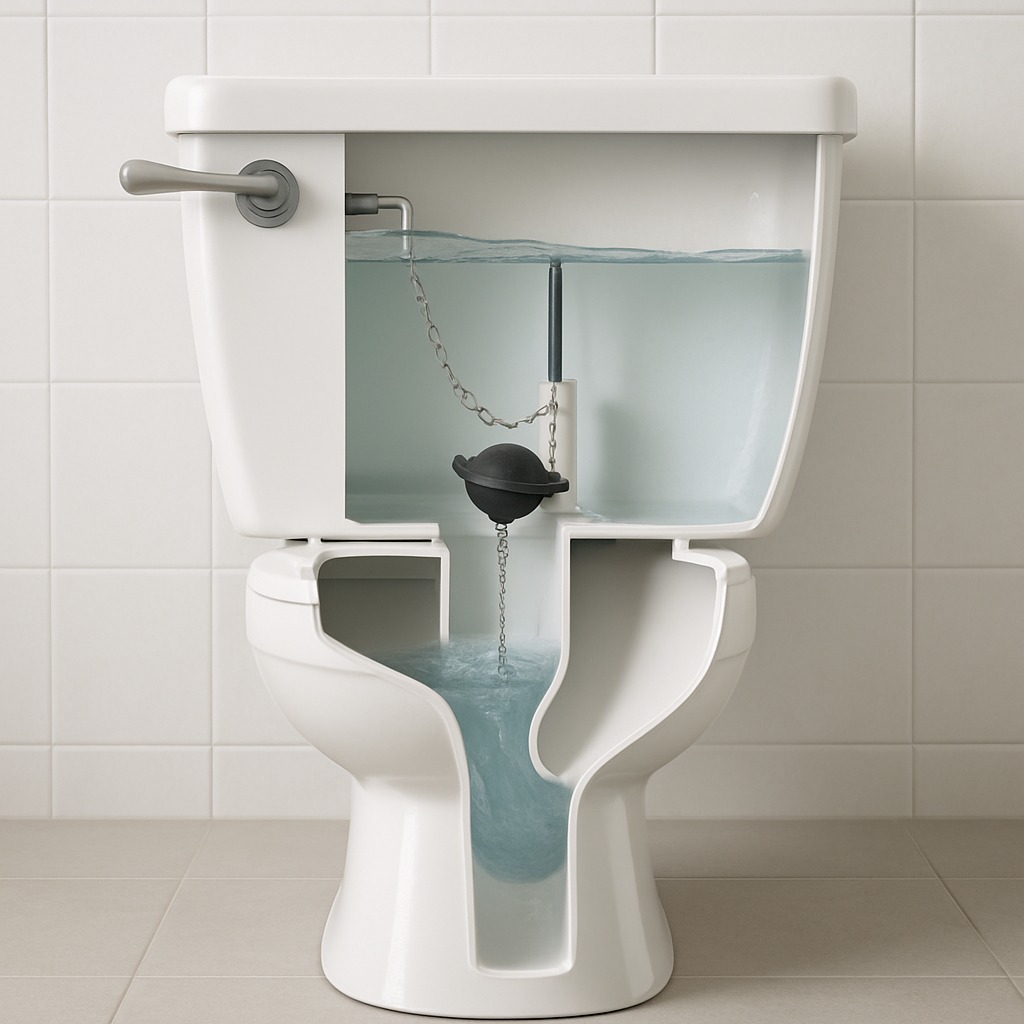
A toilet that refuses to flush properly is one of those household problems that demands immediate attention — not just because of the inconvenience, but because it can signal anything from a simple mechanical failure to a deeper plumbing issue that could worsen quickly. Most homeowners first notice the problem when they press the flush handle and either nothing happens, the bowl fills with water that drains sluggishly, or the tank refills without producing any real flushing action. These are distinct clues, and paying attention to exactly what your toilet is doing — or not doing — goes a long way toward understanding the root cause. A completely unresponsive handle often points to a disconnected or broken flush chain inside the tank, while a bowl that fills and drains slowly usually suggests a partial clog somewhere in the drain line or trap. If the toilet gurgles but won't flush with force, a blocked vent pipe or failing flapper valve may be to blame. When water rises toward the rim before draining, that's a strong indicator of a clog — and it's a warning you should not ignore. Repeated flushing in that scenario can cause an overflow. Timing matters here. A non-flushing toilet puts your household's sanitation at immediate risk. If there's only one bathroom in the home, urgency increases significantly. Beyond inconvenience, unresolved clogs can create pressure that damages older drain pipes, and persistent mechanical failures inside the tank can waste hundreds of gallons of water monthly through slow leaks you may not even notice. The good news is that many toilet problems are surprisingly approachable. A broken chain, a faulty flapper, or even a moderate clog can often be resolved without professional help. But knowing which category your problem falls into is the critical first step before reaching for a plunger or calling a plumber.
Toilet water — even relatively clean-looking tank water — carries bacteria, and toilet bowl water should always be treated as contaminated. Wear disposable gloves whenever you reach into the bowl, handle the flapper, or work around any drained water on the floor. Wash your hands thoroughly with soap for at least 20 seconds after any toilet inspection or repair attempt, even if you wore gloves. Never use chemical drain cleaners in a toilet. Unlike sink drains, toilet traps and porcelain bowls can be damaged or cracked by caustic chemical cleaners, and these products are largely ineffective against the types of blockages toilets experience. If a plunger doesn't work, chemicals won't either — and they create a hazardous situation for any plumber who works on the drain afterward. If your toilet overflows, avoid walking through the water in bare feet. Sewage-contaminated water poses a real infection risk. Use old towels to contain the spread, place them directly in a sealed plastic bag, and discard them rather than laundering. Any hard flooring that contacted overflow water should be disinfected with a diluted bleach solution before drying thoroughly.
The single most common cause of a toilet that won't flush properly is a clog located in the toilet trap — the curved section of the porcelain base that holds a small amount of water to block sewer gases. This trap is designed to stop objects from passing easily, which means it's also the first place that accumulated waste, excess toilet paper, or accidentally dropped objects create a blockage. In most cases, this kind of clog sits close enough to the surface that a proper flange plunger can dislodge it. The second most common cause is a mechanical failure inside the tank — specifically a disconnected lift chain or a deteriorated flapper valve that no longer seals correctly, preventing the tank from building adequate water pressure to execute a full flush. Both of these problems are inexpensive to correct and don't require a plumber in most straightforward situations.
What the visible symptoms tell you about hidden damage deserves careful consideration. A slow-draining bowl that has gradually worsened over time often means buildup is accumulating along the walls of the drain pipe well beyond the trap — a condition that will not respond to plunging and signals pipe scaling or root intrusion in older homes. If the toilet rocks slightly when you sit on it, the wax ring is compromised, meaning water has likely been seeping beneath the toilet base for some time, potentially causing subfloor rot that won't be visible until the toilet is removed. Gurgling sounds from other fixtures when you flush indicate the problem has already reached the main vent or drain stack — a much larger plumbing issue than it initially appears. Early professional evaluation in these cases consistently prevents far more expensive repairs down the line.
Before touching any tools or opening the tank, take a few minutes to observe your toilet carefully. These simple visual and functional checks cost nothing, require no disassembly, and can tell you a surprising amount about what's actually wrong. Approach this like a detective — what you see, hear, and feel during a flush attempt narrows the field considerably and helps you explain the issue clearly if you do end up calling a plumber.
These steps are about damage control and smart preparation, not full repairs. The goal right now is to prevent the situation from getting worse — stopping potential overflow, preserving your options, and making sure you have accurate information ready whether you attempt a fix yourself or hand the job to a professional. Do not attempt repeated flushes if the bowl water is rising. Work methodically and calmly.
Remove the tank lid right now and check whether the lift chain is connected and the flapper is seated — these two checks take under two minutes.
While some toilet issues are DIY-friendly, several situations call for a licensed plumber without hesitation. If plunging does not clear the clog after two full attempts, stop — continuing can force the obstruction deeper into the drain line or even damage older pipes. If the toilet has been slow to flush for weeks before stopping entirely, that gradual pattern often points to buildup or partial blockage in the main drain line, which requires professional snaking or hydro-jetting equipment. Any time water appears at the base of the toilet during or after flushing, a failed wax ring seal is likely, and that repair requires resetting the entire toilet — a job best left to a plumber. Similarly, if multiple fixtures in your home are draining slowly at the same time, you are almost certainly dealing with a mainline blockage that a professional must address with proper equipment.
Certain scenarios warrant faster action and should be treated as urgent. If the toilet has overflowed and water has reached flooring, baseboards, or a subfloor, call a plumber the same day to prevent structural water damage and mold development. If you notice sewage odors coming from drains throughout the house alongside the flushing problem, a backed-up sewer line is a genuine emergency — sewage in your plumbing system can back up into tubs and sinks. Homes with older cast iron or clay drain pipes are especially vulnerable to sudden complete blockages. In those cases, do not attempt any further flushing and contact a licensed plumber immediately. Typical professional repair costs for toilet issues range from $100 to $400 depending on the complexity.
While some toilet issues are DIY-friendly, several situations call for a licensed plumber without hesitation. If plunging does not clear the clog after two full attempts, stop — continuing can force the obstruction deeper into the drain line or even damage older pipes. If the toilet has been slow to flush for weeks before stopping entirely, that gradual pattern often points to buildup or partial blockage in the main drain line, which requires professional snaking or hydro-jetting equipment. Any time water appears at the base of the toilet during or after flushing, a failed wax ring seal is likely, and that repair requires resetting the entire toilet — a job best left to a plumber. Similarly, if multiple fixtures in your home are draining slowly at the same time, you are almost certainly dealing with a mainline blockage that a professional must address with proper equipment.
Certain scenarios warrant faster action and should be treated as urgent. If the toilet has overflowed and water has reached flooring, baseboards, or a subfloor, call a plumber the same day to prevent structural water damage and mold development. If you notice sewage odors coming from drains throughout the house alongside the flushing problem, a backed-up sewer line is a genuine emergency — sewage in your plumbing system can back up into tubs and sinks. Homes with older cast iron or clay drain pipes are especially vulnerable to sudden complete blockages. In those cases, do not attempt any further flushing and contact a licensed plumber immediately. Typical professional repair costs for toilet issues range from $100 to $400 depending on the complexity.
While some toilet issues are DIY-friendly, several situations call for a licensed plumber without hesitation. If plunging does not clear the clog after two full attempts, stop — continuing can force the obstruction deeper into the drain line or even damage older pipes. If the toilet has been slow to flush for weeks before stopping entirely, that gradual pattern often points to buildup or partial blockage in the main drain line, which requires professional snaking or hydro-jetting equipment. Any time water appears at the base of the toilet during or after flushing, a failed wax ring seal is likely, and that repair requires resetting the entire toilet — a job best left to a plumber. Similarly, if multiple fixtures in your home are draining slowly at the same time, you are almost certainly dealing with a mainline blockage that a professional must address with proper equipment.
Certain scenarios warrant faster action and should be treated as urgent. If the toilet has overflowed and water has reached flooring, baseboards, or a subfloor, call a plumber the same day to prevent structural water damage and mold development. If you notice sewage odors coming from drains throughout the house alongside the flushing problem, a backed-up sewer line is a genuine emergency — sewage in your plumbing system can back up into tubs and sinks. Homes with older cast iron or clay drain pipes are especially vulnerable to sudden complete blockages. In those cases, do not attempt any further flushing and contact a licensed plumber immediately. Typical professional repair costs for toilet issues range from $100 to $400 depending on the complexity.