
ISSUE GUIDE
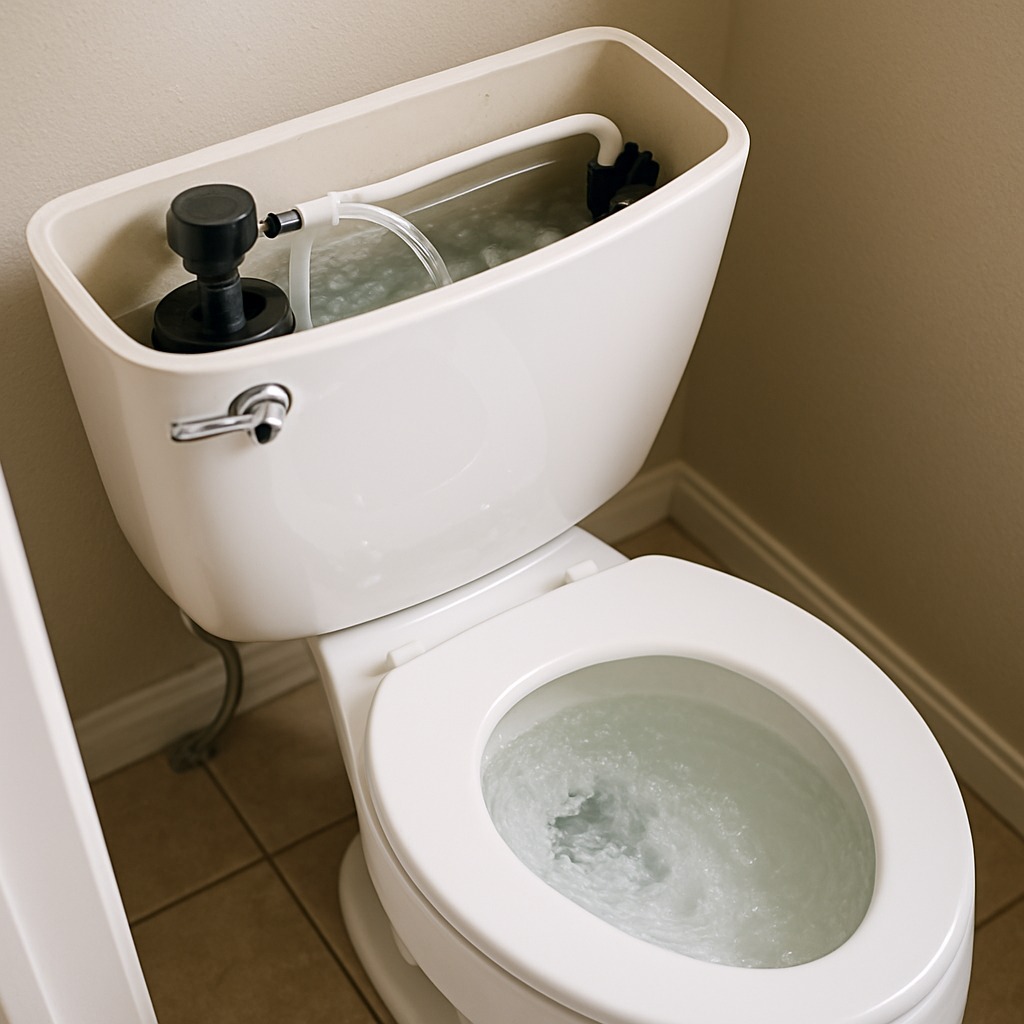
A constantly running toilet is one of those household problems that starts as a minor annoyance and quietly becomes a serious expense. If you can hear water trickling or hissing from your toilet long after flushing — or even when no one has used it recently — your toilet is running, and it's wasting water around the clock. Most homeowners first notice the sound: a persistent hiss, gurgle, or the sensation that the tank is perpetually refilling. Others spot it on their water bill, which can spike by thousands of gallons per month from a single running toilet. At its core, a running toilet means water is escaping from the tank into the bowl continuously, forcing the fill valve to keep refilling to compensate. The most common culprits are a worn flapper that no longer seals properly, a float set too high causing water to overflow into the overflow tube, or a faulty fill valve that can't shut off correctly. Sometimes a combination of these issues is at play. The clue patterns are telling. If you hear running water that stops when you jiggle the handle, the flapper chain is likely caught or the flapper itself is warped. If water trickles silently into the bowl, try the food coloring test: drop dye into the tank and wait 15 minutes without flushing — color appearing in the bowl confirms a leaking flapper. If water is spilling into the overflow tube, the float needs adjustment. Don't dismiss this issue as merely annoying. A running toilet can waste 200 gallons of water per day, adding $100 or more to monthly utility bills. Left unaddressed, continuous water flow can also accelerate wear on internal components, eventually requiring more costly repairs. Acting quickly protects both your wallet and your plumbing system.
Working around toilet tank components is generally low-risk, but there are specific safety considerations every homeowner should keep in mind. First, never stand on the toilet seat or tank — porcelain is brittle and can crack or shatter under body weight, causing serious lacerations. Always set the tank lid on a flat, padded surface away from hard floors, as dropping it can cause it to shatter and create sharp fragments. The water inside your toilet tank is clean water, not sewage — however, always wash your hands thoroughly after working inside any toilet component as a basic hygiene precaution. If you're adjusting the shutoff valve and it hasn't been turned in years, be aware that old valves can crack or fail when rotated, which could cause a significant leak under the toilet. Turn the valve slowly and stop immediately if you feel excessive resistance. If you notice any mold growth inside the tank or on the floor around the toilet base, do not handle it without gloves and proper ventilation, as bathroom mold can contain harmful spores. Never use electrical devices near an open toilet tank, and if your bathroom has experienced any flooding from a running toilet that overflowed, turn off electricity to that bathroom at the breaker before entering the space to assess damage.
The most common cause of a constantly running toilet is a worn or warped flapper — the rubber seal at the bottom of the tank that controls water flow into the bowl. Over time, chlorine in tap water, mineral deposits, and simple age cause the rubber to stiffen, crack, or warp, preventing it from forming a watertight seal. When the flapper doesn't seal completely, water trickles continuously from the tank into the bowl, triggering the fill valve to keep running to maintain the water level. This is the most frequent culprit and, in isolation, is one of the more straightforward toilet repairs — a replacement flapper costs just a few dollars at any hardware store. The second most common cause is a misadjusted or failing float, which causes the water level in the tank to rise above the overflow tube, sending water directly into the bowl without any visible indication of a problem at the bowl level.
What you can see on the surface often understates what's happening beneath it. A visibly warped flapper usually signals that your fill valve has also been working overtime for months — the constant cycling accelerates wear on the fill valve diaphragm or seal, meaning that component may be close to failure even if it seems to be functioning now. Similarly, if you notice rust-colored water in the tank or mineral scale buildup on internal components, corrosion may have already spread to the supply line connections and shutoff valve, which are harder to inspect without tools. A toilet that has been running for an extended period — especially in homes with older galvanized plumbing — may have caused unseen moisture accumulation behind walls or beneath the subfloor, particularly if the wax ring seal was ever compromised by the pressure of an overflowing toilet.
Before calling anyone or touching any components, there are several safe visual and auditory observations you can make to help identify the cause of your constantly running toilet. These checks require no tools, no disassembly, and no special skills — just careful attention. Gathering this information will also help any plumber you contact diagnose the problem faster.
While a full toilet repair may require professional help, there are several immediate damage-control steps you can take right now to stop water waste, prevent further wear on components, and prepare for a proper repair. These steps focus on containment and smart preparation — not full fixes — and can be done safely without plumbing experience.
Remove your toilet tank lid right now and check whether water is visibly spilling into the overflow tube — this one observation tells you the most important clue.
You should call a licensed plumber when your safe checks and basic adjustments don't resolve the running, or when the internal components show visible damage beyond a simple flapper swap. Specifically, call a pro if the fill valve is cracking, corroding, or making loud squealing noises during refill — these parts can fail suddenly and cause tank overflow onto your floor. If your toilet is older than 15 years and the running is accompanied by weak flushing, phantom flushes, or rocking at the base, multiple components may be failing simultaneously. A plumber can assess whether a full flush valve assembly replacement or even a toilet replacement is more cost-effective than piecemeal repairs. You should also call a pro if you notice water pooling around the base of the toilet, as this indicates a wax ring or supply line issue beyond the tank components — and that's a different, more serious repair entirely.
Treat this as higher urgency if you see water actively spilling onto your bathroom floor from the tank or supply line, if the shutoff valve itself is leaking or won't turn, or if you've replaced the flapper and the toilet is still running. Persistent running after a DIY flapper replacement suggests a damaged flush valve seat — the surface the flapper rests against — which is rougher and requires a professional assessment. Additionally, if your home uses well water and the toilet is running constantly, the mineral buildup can accelerate component failure throughout your plumbing system, making a professional inspection especially worthwhile. Don't wait — a running toilet wasting 200 gallons daily adds up to thousands of gallons and significant cost within weeks.
You should call a licensed plumber when your safe checks and basic adjustments don't resolve the running, or when the internal components show visible damage beyond a simple flapper swap. Specifically, call a pro if the fill valve is cracking, corroding, or making loud squealing noises during refill — these parts can fail suddenly and cause tank overflow onto your floor. If your toilet is older than 15 years and the running is accompanied by weak flushing, phantom flushes, or rocking at the base, multiple components may be failing simultaneously. A plumber can assess whether a full flush valve assembly replacement or even a toilet replacement is more cost-effective than piecemeal repairs. You should also call a pro if you notice water pooling around the base of the toilet, as this indicates a wax ring or supply line issue beyond the tank components — and that's a different, more serious repair entirely.
Treat this as higher urgency if you see water actively spilling onto your bathroom floor from the tank or supply line, if the shutoff valve itself is leaking or won't turn, or if you've replaced the flapper and the toilet is still running. Persistent running after a DIY flapper replacement suggests a damaged flush valve seat — the surface the flapper rests against — which is rougher and requires a professional assessment. Additionally, if your home uses well water and the toilet is running constantly, the mineral buildup can accelerate component failure throughout your plumbing system, making a professional inspection especially worthwhile. Don't wait — a running toilet wasting 200 gallons daily adds up to thousands of gallons and significant cost within weeks.
You should call a licensed plumber when your safe checks and basic adjustments don't resolve the running, or when the internal components show visible damage beyond a simple flapper swap. Specifically, call a pro if the fill valve is cracking, corroding, or making loud squealing noises during refill — these parts can fail suddenly and cause tank overflow onto your floor. If your toilet is older than 15 years and the running is accompanied by weak flushing, phantom flushes, or rocking at the base, multiple components may be failing simultaneously. A plumber can assess whether a full flush valve assembly replacement or even a toilet replacement is more cost-effective than piecemeal repairs. You should also call a pro if you notice water pooling around the base of the toilet, as this indicates a wax ring or supply line issue beyond the tank components — and that's a different, more serious repair entirely.
Treat this as higher urgency if you see water actively spilling onto your bathroom floor from the tank or supply line, if the shutoff valve itself is leaking or won't turn, or if you've replaced the flapper and the toilet is still running. Persistent running after a DIY flapper replacement suggests a damaged flush valve seat — the surface the flapper rests against — which is rougher and requires a professional assessment. Additionally, if your home uses well water and the toilet is running constantly, the mineral buildup can accelerate component failure throughout your plumbing system, making a professional inspection especially worthwhile. Don't wait — a running toilet wasting 200 gallons daily adds up to thousands of gallons and significant cost within weeks.