
ISSUE GUIDE
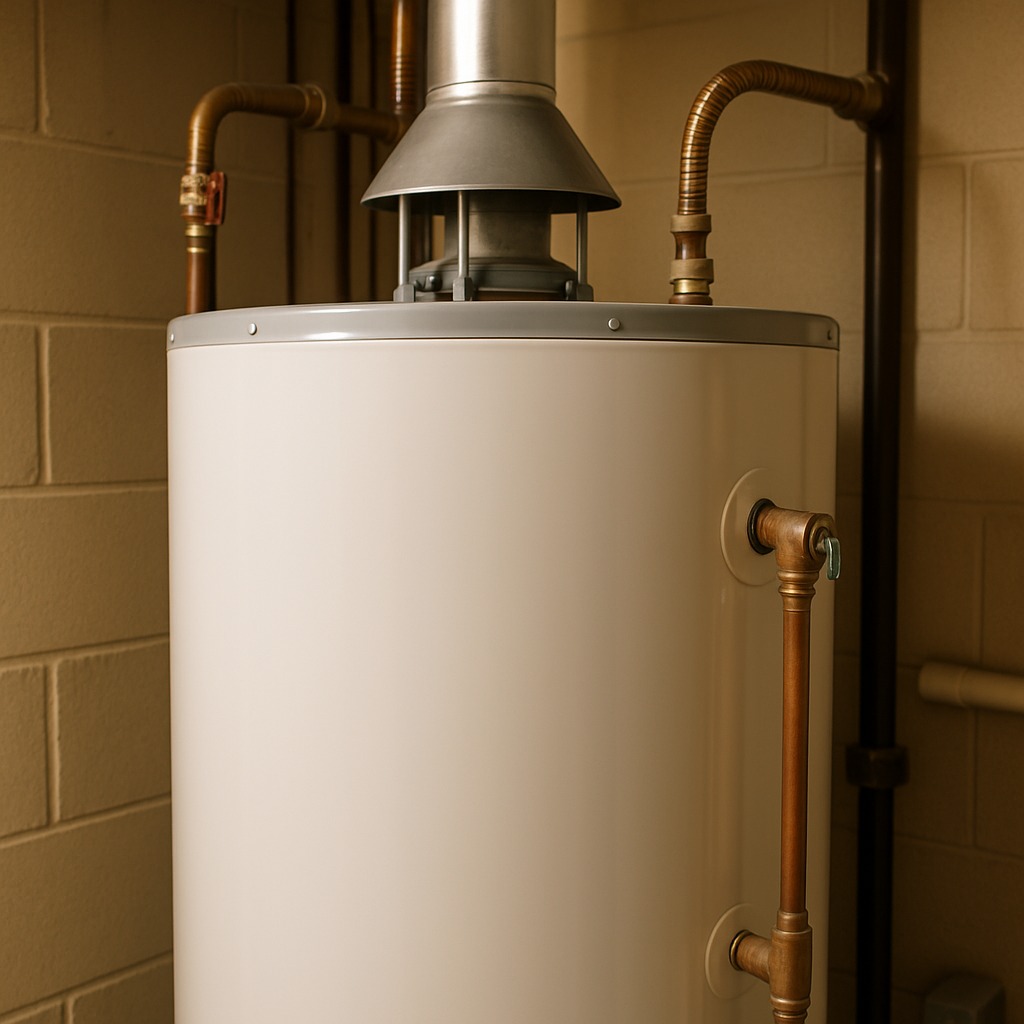
Strange sounds coming from your water heater are one of those household warning signs that homeowners often dismiss for weeks or months before acting — and that delay can be costly. A water heater that pops, rumbles, hisses, whines, or bangs is communicating something specific about its internal condition, and understanding what each sound means can save you from an unexpected cold shower, a flooded utility room, or a full unit replacement that could have been avoided with earlier intervention. Most homeowners first notice the noise during quiet morning hours when the unit kicks on, or when someone in the household runs a bath or starts the dishwasher. The sounds can range from a low, distant rumbling that's easy to ignore to sharp popping or cracking noises that genuinely startle people in adjacent rooms. Some homeowners describe a high-pitched whine or a kettle-like hissing near the pressure relief valve — both of which deserve immediate attention. The cause of water heater noise almost always falls into one of a few categories: sediment buildup on the tank floor, a failing heating element, excessive water pressure, a malfunctioning pressure relief valve, or loose inlet and outlet connections. The sound pattern itself is one of your best diagnostic clues. Rumbling and popping typically point to sediment accumulation — mineral deposits from hard water that collect over years and force the heating element to work through a crusty layer of scale. Hissing near the top of the unit often signals a slow leak or pressure issue. Knocking or banging sounds may indicate water hammer in the supply lines rather than the heater itself. None of these sounds should be permanently ignored. Even sediment buildup, the most benign cause, accelerates corrosion and significantly shortens tank life. Prompt diagnosis protects your investment and your home.
Water heaters combine pressurized water, extreme heat, and either high-voltage electricity or natural gas — a combination that makes uninformed DIY repair genuinely dangerous. Never attempt to manually open or release the pressure relief valve as a test unless you have been trained to do so and have a proper discharge path in place; these valves release scalding water and steam under pressure. On gas units, do not attempt to inspect the burner assembly, thermocouple, or gas line connections yourself — even a small gas leak combined with the pilot light creates an explosion risk. On electric units, the upper and lower heating elements operate on 240 volts; do not remove the access panels or touch internal components without first shutting off the dedicated circuit breaker and confirming zero voltage with a non-contact tester. Do not ignore a hissing sound near the top of a gas unit — this can indicate combustion gases or a venting issue that poses a carbon monoxide risk. Keep the area around your heater clear of flammable storage at all times, and never operate a water heater in an enclosed space without proper combustion air supply. When in doubt, turn the unit off and call a professional rather than investigating further on your own.
The most common cause of water heater noise — accounting for the majority of service calls involving rumbling, popping, and crackling sounds — is sediment accumulation at the bottom of the tank. Over years of use, naturally occurring minerals in your water supply, primarily calcium and magnesium carbonates, settle out during the heating process and form a progressively thicker layer of scale on the tank floor. The heating element or burner beneath this layer must force heat through the sediment to warm the water above it, and the result is a distinctive popping and rumbling as water trapped within the sediment layer boils and forces its way through. This process is more pronounced in homes with hard water and in units that have never been flushed, which is a maintenance task most manufacturers recommend annually but which the majority of homeowners have never performed.
What the noise tells you about the hidden condition of the tank is often more concerning than the sound itself. Sediment that has accumulated enough to generate audible noise is typically also in direct contact with the steel floor of the tank, and the localized overheating this creates accelerates corrosion from the inside out. This is why noisy tanks often fail — meaning they develop internal rust-through leaks — much sooner than quiet, well-maintained units. A rumbling heater that has been noisy for a year or more may already have compromised internal steel that a visual inspection from the outside cannot detect. In practical terms, this means that a plumber's assessment of a noisy older unit often reveals that the economical path forward is replacement rather than repair, since flushing sediment from a tank with weakened steel can itself dislodge corrosion and trigger a leak.
Before calling a plumber, there are several safe, no-tools observations you can make that will help you describe the problem accurately and may even pinpoint the cause. Do not attempt to open the unit, adjust any valves beyond a gentle visual inspection, or touch any electrical components. The goal here is information gathering — understanding what your heater is telling you so that you or a professional can respond appropriately.
The steps below are not intended to fully repair your water heater — they are practical containment and preparation actions that protect your home while you arrange a professional inspection or decide on next steps. Attempting full repairs on a water heater without proper training can void warranties, violate local code, and create genuine safety hazards involving gas, high-voltage electricity, and pressurized hot water. Think of these steps as responsible ownership, not a substitute for professional service.
Right now, listen carefully to your heater and record a short phone video of the noise to share with your plumber during diagnosis.
A licensed plumber should be contacted any time your water heater noise is accompanied by visible symptoms beyond sound alone. If you see water pooling at the base of the unit, rust-colored hot water coming from your taps, a drop in hot water output, or white mineral deposits accumulating around connections, these are signs that the mechanical condition of the unit has progressed beyond simple sediment noise. A plumber should also be called if your unit is more than eight years old and producing new noises — at that age, a professional assessment of remaining service life is genuinely valuable before spending money on repairs that may only delay full replacement. Homeowners with gas water heaters should call a pro for any noise diagnosis, since distinguishing between a benign sediment rumble and a combustion or venting issue requires trained eyes and instruments, not guesswork.
Certain situations require faster response and should not wait for a routine appointment. If the pressure relief valve is dripping or discharging water, call the same day — this valve is your tank's last line of defense against a dangerous pressure buildup, and a failing one is an urgent safety matter. A loud banging or hammering that is new and sudden, particularly if accompanied by a pressure drop at fixtures throughout the house, may indicate a water hammer event that has stressed the tank or supply connections and warrants prompt inspection. Any noise accompanied by a gas smell, visible scorching around the unit, or a complete loss of hot water in a previously functioning heater should be treated as an emergency requiring immediate professional attention.
A licensed plumber should be contacted any time your water heater noise is accompanied by visible symptoms beyond sound alone. If you see water pooling at the base of the unit, rust-colored hot water coming from your taps, a drop in hot water output, or white mineral deposits accumulating around connections, these are signs that the mechanical condition of the unit has progressed beyond simple sediment noise. A plumber should also be called if your unit is more than eight years old and producing new noises — at that age, a professional assessment of remaining service life is genuinely valuable before spending money on repairs that may only delay full replacement. Homeowners with gas water heaters should call a pro for any noise diagnosis, since distinguishing between a benign sediment rumble and a combustion or venting issue requires trained eyes and instruments, not guesswork.
Certain situations require faster response and should not wait for a routine appointment. If the pressure relief valve is dripping or discharging water, call the same day — this valve is your tank's last line of defense against a dangerous pressure buildup, and a failing one is an urgent safety matter. A loud banging or hammering that is new and sudden, particularly if accompanied by a pressure drop at fixtures throughout the house, may indicate a water hammer event that has stressed the tank or supply connections and warrants prompt inspection. Any noise accompanied by a gas smell, visible scorching around the unit, or a complete loss of hot water in a previously functioning heater should be treated as an emergency requiring immediate professional attention.
A licensed plumber should be contacted any time your water heater noise is accompanied by visible symptoms beyond sound alone. If you see water pooling at the base of the unit, rust-colored hot water coming from your taps, a drop in hot water output, or white mineral deposits accumulating around connections, these are signs that the mechanical condition of the unit has progressed beyond simple sediment noise. A plumber should also be called if your unit is more than eight years old and producing new noises — at that age, a professional assessment of remaining service life is genuinely valuable before spending money on repairs that may only delay full replacement. Homeowners with gas water heaters should call a pro for any noise diagnosis, since distinguishing between a benign sediment rumble and a combustion or venting issue requires trained eyes and instruments, not guesswork.
Certain situations require faster response and should not wait for a routine appointment. If the pressure relief valve is dripping or discharging water, call the same day — this valve is your tank's last line of defense against a dangerous pressure buildup, and a failing one is an urgent safety matter. A loud banging or hammering that is new and sudden, particularly if accompanied by a pressure drop at fixtures throughout the house, may indicate a water hammer event that has stressed the tank or supply connections and warrants prompt inspection. Any noise accompanied by a gas smell, visible scorching around the unit, or a complete loss of hot water in a previously functioning heater should be treated as an emergency requiring immediate professional attention.