
ISSUE GUIDE
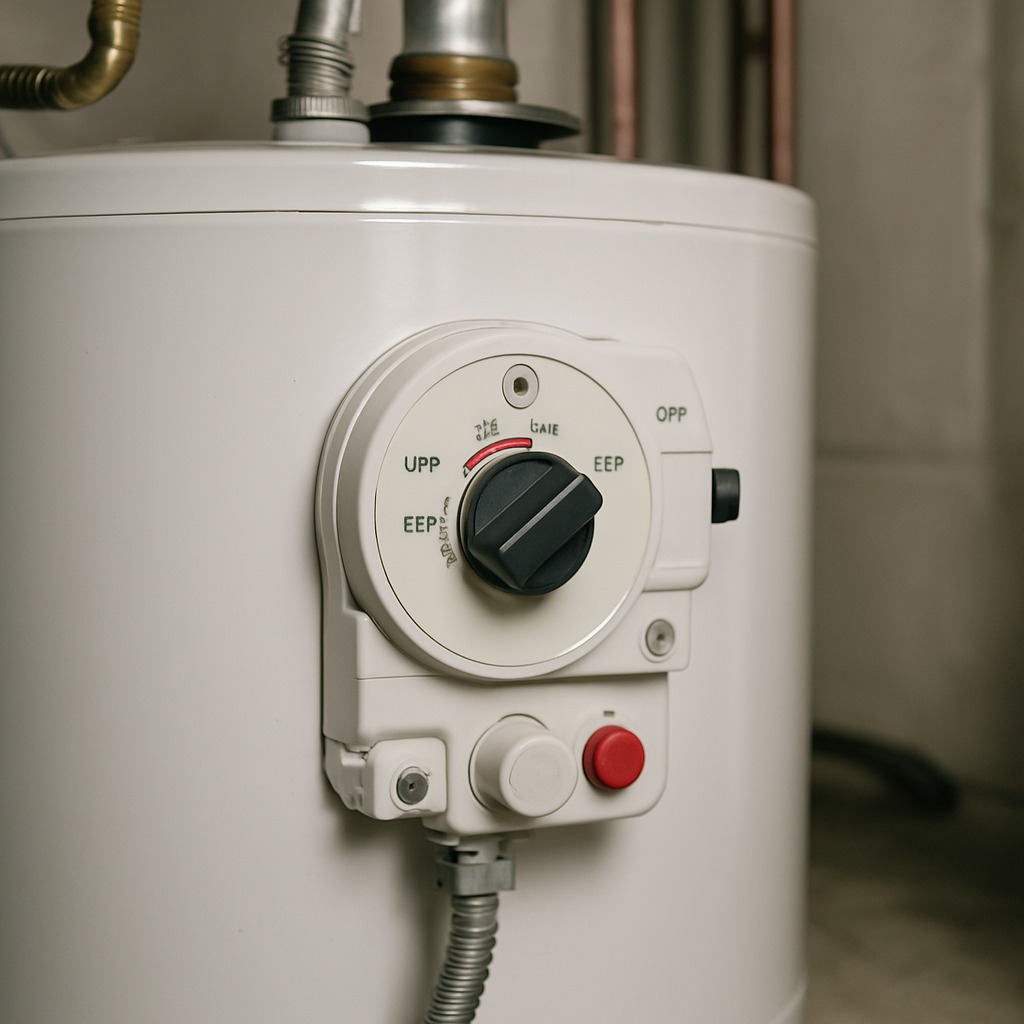
Few household problems create as much immediate disruption as waking up to a cold shower. When your water heater stops producing hot water, it signals something has gone wrong inside a system that quietly does its job every single day — until it doesn't. Understanding what might be happening can save you time, money, and unnecessary panic before a plumber even arrives. Most homeowners first notice the problem during a morning routine: the water runs cold from the start, or it heats up briefly and then turns cold mid-shower. Sometimes the issue creeps in gradually — water that used to be scalding now barely reaches warm. Other times the change is sudden and total. Each of these patterns means something different, and paying attention to them helps narrow the cause considerably. For electric water heaters, a failed heating element or tripped breaker is the most common culprit. For gas units, a pilot light that has gone out, a faulty thermocouple, or a malfunctioning gas valve often explains the loss of heat. Sediment buildup at the bottom of the tank is a slower, progressive cause that gradually reduces efficiency until hot water output drops noticeably. A failed thermostat — on either type of unit — can also prevent the water from reaching proper temperature. Age matters here too. Water heaters typically last eight to twelve years. If yours is approaching or past that window and suddenly stops performing, you may be looking at the beginning of the end rather than a simple repair. This problem deserves prompt attention for practical reasons. Without hot water, sanitation suffers, daily routines break down, and if an underlying issue like a failing pressure relief valve or a slow internal leak goes unaddressed, a more expensive and potentially dangerous situation can develop. The sooner you identify what's happening, the better your options.
Water heaters combine high-temperature water, pressurized tanks, and either electrical components or an active gas flame — a combination that demands specific caution. Never attempt to remove the access panel on an electric water heater without first switching off the dedicated breaker at the panel and confirming the power is off with a non-contact voltage tester. Electric heating elements carry enough voltage to cause fatal shock. On gas units, never attempt to test or replace the thermocouple, gas valve, or gas line connections yourself — even a small fitting left slightly loose can leak gas into an enclosed utility space. If your pressure relief valve has opened and is releasing water, do not push it back down manually and assume the problem is solved; the valve opened because pressure inside the tank exceeded safe limits, and that underlying cause must be found. Avoid storing any flammable materials — paint, cleaning solvents, aerosol cans — near a gas water heater, as the pilot flame and burner create an ignition risk. Finally, be aware that hot water heater tanks can retain scalding water at high pressure even after the power or gas supply is cut, so never open a drain valve or loosen fittings immediately after shutdown.
The most common cause of a water heater suddenly producing no hot water depends directly on the fuel type of the unit. In electric water heaters, the single most frequent failure is a burned-out heating element — a component that directly heats the water and can fail from age, scale buildup around it, or a brief power surge. Most electric units have two elements, so a failed lower element will still allow some hot water while a failed upper element cuts output significantly. In gas water heaters, the pilot light or thermocouple failure accounts for the majority of no-hot-water calls. The thermocouple is a safety sensor that keeps the gas valve open only when it detects a lit pilot flame — when it fails, the gas valve closes and no heat is produced. Both of these are repairable parts with relatively modest costs when the unit is otherwise in good condition, typically falling in the lower range of the $200–$1,500 repair window.
Before calling a plumber, there are several straightforward observations you can make safely — without tools, without opening the unit, and without touching any electrical or gas components. These checks cost you nothing and give a professional much more useful information when you call, potentially saving diagnostic time and money. Walk through these carefully and take notes or photos where possible.
The goal at this stage is not to fix the water heater yourself — it is to stop any situation from getting worse, gather the right information, and set up a professional for a faster, cleaner repair. Most water heater failures don't require emergency shutdown, but a few situations do. Work through these steps methodically and only do what you can do safely without disassembling anything or working inside the unit.
Check your breaker panel right now for a tripped circuit labeled 'water heater' and reset it before calling anyone.
A licensed plumber should be contacted as soon as you have confirmed that the basic checks — resetting a breaker or relighting a pilot light — have not restored hot water. Water heater components including heating elements, thermostats, thermocouples, gas valves, and anode rods require professional tools and expertise to test and replace safely. If your unit is more than eight years old, a professional assessment is especially important because a repair may only delay an inevitable replacement, and a plumber can give you an honest cost comparison. Sediment flushing, pressure relief valve testing, and any work involving gas connections must be handled by someone licensed to do so. If you notice water pooling around the base of the unit, corroded fittings on the supply lines, or the pressure relief valve dripping or discharging, those are clear signs that professional involvement is not optional — these indicate structural or pressure-related failures that can escalate into flooding or dangerous pressure buildup inside the tank.
Some situations require faster-than-normal response and should not wait for a routine appointment. If you smell sulfur or rotten eggs near your gas water heater, treat it as a potential gas leak and call your gas utility emergency line immediately — do not attempt to diagnose it yourself. If the pressure relief valve is actively discharging hot water or steam, the tank is experiencing dangerous overpressure that poses a real risk of rupture. A water heater that is visibly bulging, making loud banging sounds under pressure, or leaking from the tank body itself rather than a fitting should be shut down and inspected by a professional the same day. In these cases, contact a licensed plumber and describe the symptoms clearly so they can prioritize accordingly.
A licensed plumber should be contacted as soon as you have confirmed that the basic checks — resetting a breaker or relighting a pilot light — have not restored hot water. Water heater components including heating elements, thermostats, thermocouples, gas valves, and anode rods require professional tools and expertise to test and replace safely. If your unit is more than eight years old, a professional assessment is especially important because a repair may only delay an inevitable replacement, and a plumber can give you an honest cost comparison. Sediment flushing, pressure relief valve testing, and any work involving gas connections must be handled by someone licensed to do so. If you notice water pooling around the base of the unit, corroded fittings on the supply lines, or the pressure relief valve dripping or discharging, those are clear signs that professional involvement is not optional — these indicate structural or pressure-related failures that can escalate into flooding or dangerous pressure buildup inside the tank.
Some situations require faster-than-normal response and should not wait for a routine appointment. If you smell sulfur or rotten eggs near your gas water heater, treat it as a potential gas leak and call your gas utility emergency line immediately — do not attempt to diagnose it yourself. If the pressure relief valve is actively discharging hot water or steam, the tank is experiencing dangerous overpressure that poses a real risk of rupture. A water heater that is visibly bulging, making loud banging sounds under pressure, or leaking from the tank body itself rather than a fitting should be shut down and inspected by a professional the same day. In these cases, contact a licensed plumber and describe the symptoms clearly so they can prioritize accordingly.
A licensed plumber should be contacted as soon as you have confirmed that the basic checks — resetting a breaker or relighting a pilot light — have not restored hot water. Water heater components including heating elements, thermostats, thermocouples, gas valves, and anode rods require professional tools and expertise to test and replace safely. If your unit is more than eight years old, a professional assessment is especially important because a repair may only delay an inevitable replacement, and a plumber can give you an honest cost comparison. Sediment flushing, pressure relief valve testing, and any work involving gas connections must be handled by someone licensed to do so. If you notice water pooling around the base of the unit, corroded fittings on the supply lines, or the pressure relief valve dripping or discharging, those are clear signs that professional involvement is not optional — these indicate structural or pressure-related failures that can escalate into flooding or dangerous pressure buildup inside the tank.
Some situations require faster-than-normal response and should not wait for a routine appointment. If you smell sulfur or rotten eggs near your gas water heater, treat it as a potential gas leak and call your gas utility emergency line immediately — do not attempt to diagnose it yourself. If the pressure relief valve is actively discharging hot water or steam, the tank is experiencing dangerous overpressure that poses a real risk of rupture. A water heater that is visibly bulging, making loud banging sounds under pressure, or leaking from the tank body itself rather than a fitting should be shut down and inspected by a professional the same day. In these cases, contact a licensed plumber and describe the symptoms clearly so they can prioritize accordingly.