
ISSUE GUIDE
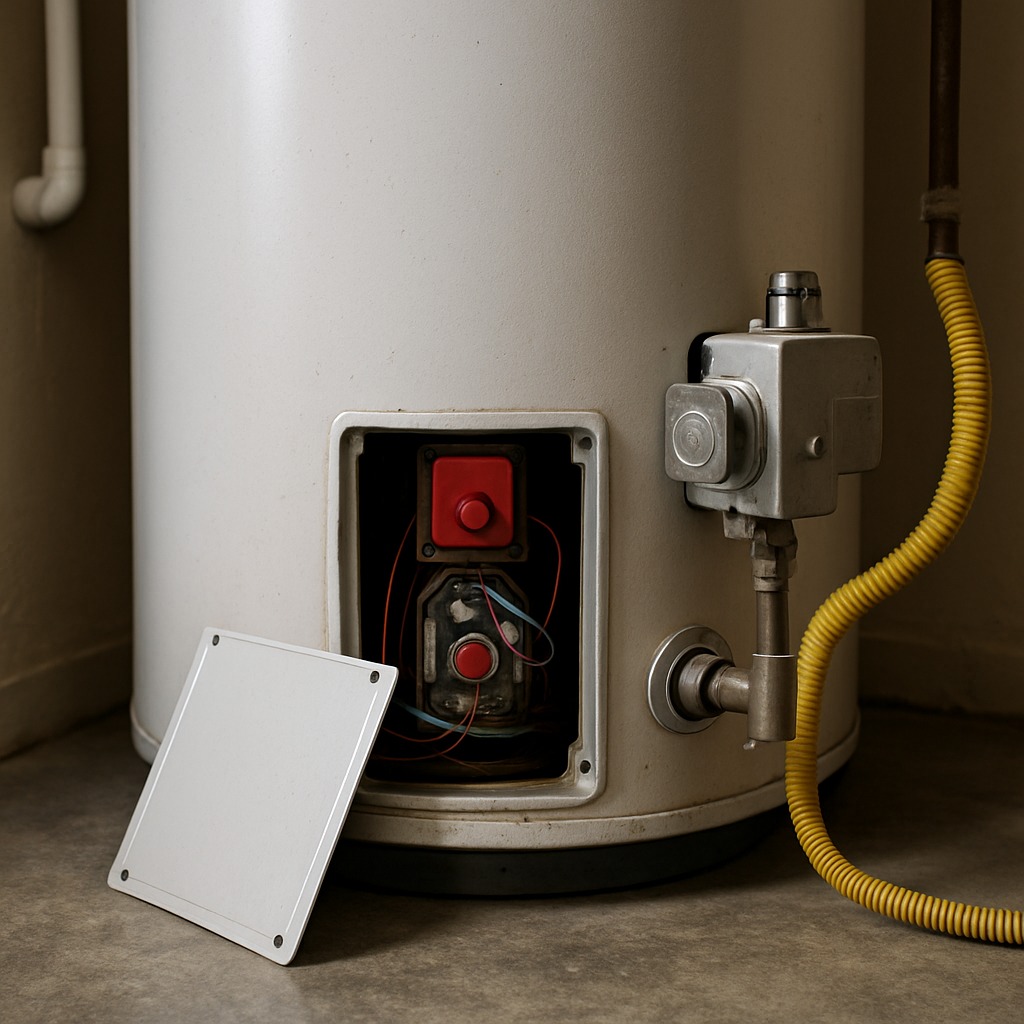
A water heater that stops producing hot water is one of the most disruptive plumbing problems a homeowner can face. Whether you're stepping into a cold shower or running a sink that never warms up, the frustration is immediate — and the cause isn't always obvious. Understanding what's happening inside your water heater can help you respond quickly and avoid making things worse. Most homeowners notice the problem gradually. Water that used to get scalding hot starts coming out lukewarm, then barely warm, then cold. Others experience a sudden and complete loss of hot water with no warning. Both patterns matter. A gradual decline usually points to a failing heating element, sediment buildup, or a deteriorating thermostat. A sudden loss of heat often signals a tripped breaker, a blown pilot light on gas units, or a failed thermocouple. On electric water heaters, dual heating elements can fail independently — meaning you might still get some hot water but never enough. On gas units, a failing gas valve or a clogged burner orifice can mimic thermostat problems. Age plays a major role too. Most tank water heaters last 8 to 12 years. If yours is approaching or past that range, component failures become increasingly common and increasingly frequent. Beyond comfort, ignoring a non-heating water heater can lead to bigger problems. Sediment accumulation that causes inefficiency can also accelerate tank corrosion. A failing pressure relief valve — sometimes connected to heating malfunctions — can become a safety hazard if left unaddressed. Paying attention to clue patterns like discolored water, strange noises, or water pooling near the base of the unit can help you — and a licensed plumber — diagnose the real problem faster and avoid unnecessary repair costs.
Water heaters operate under pressure and involve either high-voltage electricity or natural gas — both of which can cause serious injury or death if handled incorrectly. Never attempt to open the outer casing of an electric water heater, touch wiring connections, or replace heating elements without first shutting off power at the breaker and confirming the circuit is dead with a non-contact voltage tester. On gas units, do not attempt to repair or replace the gas valve, gas line connections, or burner assembly — these components must be serviced by a licensed professional. If you smell gas near your water heater, do not attempt any inspection. Leave the area immediately, keep doors open as you exit, avoid using electrical switches or your phone inside the home, and call your gas utility's emergency line from outside. Never reset a tripped breaker more than once — a breaker that trips repeatedly is protecting you from a wiring fault that could start a fire. Water near an electric water heater creates a shock hazard; never stand in water while touching any part of the appliance. The pressure relief valve on your water heater is a safety device — never cap it, test it excessively, or ignore it if it is leaking.
The most common cause of a water heater not producing hot water depends on the fuel type. On electric units, one or both heating elements have failed — a very common occurrence in heaters over five years old, especially in areas with hard water. The upper element handles initial heating while the lower element maintains temperature, so when one fails, you may still get some warm water but never enough. On gas units, the thermocouple is the most frequent culprit. This small safety sensor detects whether the pilot light is burning and shuts off the gas supply if it isn't — when the thermocouple fails, it cuts gas to the burner even if the pilot is functioning, resulting in a cold tank. Sediment buildup is the underlying contributor in many cases regardless of fuel type, as mineral deposits insulate the water from the heating source and force components to overwork until they fail.
Visible signs of damage often point to problems that go deeper than the surface suggests. Rust-colored water coming from hot taps means the tank interior has begun corroding — once corrosion starts inside a water heater tank, it cannot be reversed, and the tank will need to be replaced. Moisture or mineral staining around the base of the unit can indicate a slow internal leak that has been worsening for months before becoming noticeable. A unit that has been making rumbling or popping sounds for a while before losing heat entirely has almost certainly been suffering from progressive sediment accumulation, which may have already degraded the tank lining. In older units, these visible signs together typically mean a full replacement is more cost-effective than targeting individual component repairs.
Before calling a plumber, there are several safe, no-tools observations you can make around your water heater that will help identify the likely cause and give a pro the information they need to fix it faster. Do not attempt to open the unit, adjust internal components, or touch any wiring. Simply observe and document what you see and hear.
If your water heater has stopped heating, there are a few damage-control steps you can take right now to prevent the situation from getting worse, reduce safety risks, and prepare for a professional repair visit. These steps are about containment and preparation — not full diagnosis or repair. Do not attempt to replace parts, relight gas components beyond what the manufacturer label specifically instructs, or reset a tripped breaker more than once.
Check your electrical panel right now for a tripped breaker — it takes 30 seconds and could be the entire fix.
You should call a licensed plumber any time your water heater has completely stopped producing hot water and basic checks like the breaker or thermostat setting don't reveal an obvious fix. A pro is also necessary when you notice rusty or discolored hot water coming from your taps, which can signal internal tank corrosion that no DIY fix can address. If you have a gas water heater and suspect the pilot light, gas valve, or thermocouple has failed, do not attempt repairs yourself — gas appliance work requires licensed expertise and carries serious risk if done incorrectly. Similarly, if your unit is leaking from the tank body, the pressure relief valve, or any internal connection, that's a job for a professional immediately. Water heaters that are more than 10 years old and showing signs of failure are often better replaced than repaired, and a plumber can assess which path makes more financial sense for your specific unit.
Certain situations call for urgent attention rather than a scheduled appointment. If you smell gas near your water heater at any time, leave the home immediately, avoid switching any lights or appliances on or off, and call your gas utility company and 911 from outside. If the pressure relief valve is actively discharging water or steam, that indicates dangerously high pressure inside the tank — shut off the cold water supply to the unit and call a plumber right away. A water heater that is making loud banging noises combined with no hot water can indicate extreme sediment buildup or an imminent tank failure, both of which can escalate quickly into flooding or property damage.
You should call a licensed plumber any time your water heater has completely stopped producing hot water and basic checks like the breaker or thermostat setting don't reveal an obvious fix. A pro is also necessary when you notice rusty or discolored hot water coming from your taps, which can signal internal tank corrosion that no DIY fix can address. If you have a gas water heater and suspect the pilot light, gas valve, or thermocouple has failed, do not attempt repairs yourself — gas appliance work requires licensed expertise and carries serious risk if done incorrectly. Similarly, if your unit is leaking from the tank body, the pressure relief valve, or any internal connection, that's a job for a professional immediately. Water heaters that are more than 10 years old and showing signs of failure are often better replaced than repaired, and a plumber can assess which path makes more financial sense for your specific unit.
Certain situations call for urgent attention rather than a scheduled appointment. If you smell gas near your water heater at any time, leave the home immediately, avoid switching any lights or appliances on or off, and call your gas utility company and 911 from outside. If the pressure relief valve is actively discharging water or steam, that indicates dangerously high pressure inside the tank — shut off the cold water supply to the unit and call a plumber right away. A water heater that is making loud banging noises combined with no hot water can indicate extreme sediment buildup or an imminent tank failure, both of which can escalate quickly into flooding or property damage.
You should call a licensed plumber any time your water heater has completely stopped producing hot water and basic checks like the breaker or thermostat setting don't reveal an obvious fix. A pro is also necessary when you notice rusty or discolored hot water coming from your taps, which can signal internal tank corrosion that no DIY fix can address. If you have a gas water heater and suspect the pilot light, gas valve, or thermocouple has failed, do not attempt repairs yourself — gas appliance work requires licensed expertise and carries serious risk if done incorrectly. Similarly, if your unit is leaking from the tank body, the pressure relief valve, or any internal connection, that's a job for a professional immediately. Water heaters that are more than 10 years old and showing signs of failure are often better replaced than repaired, and a plumber can assess which path makes more financial sense for your specific unit.
Certain situations call for urgent attention rather than a scheduled appointment. If you smell gas near your water heater at any time, leave the home immediately, avoid switching any lights or appliances on or off, and call your gas utility company and 911 from outside. If the pressure relief valve is actively discharging water or steam, that indicates dangerously high pressure inside the tank — shut off the cold water supply to the unit and call a plumber right away. A water heater that is making loud banging noises combined with no hot water can indicate extreme sediment buildup or an imminent tank failure, both of which can escalate quickly into flooding or property damage.