
ISSUE GUIDE
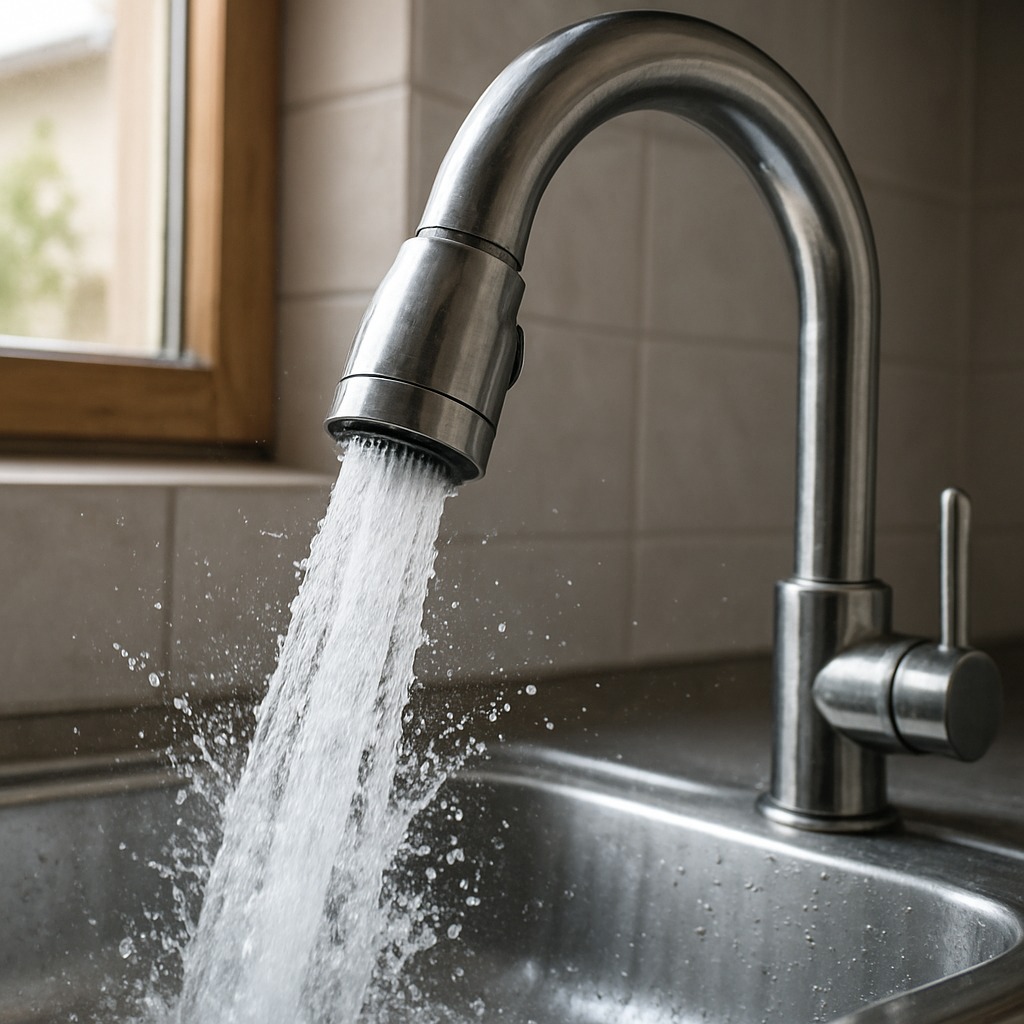
Excessive water pressure is one of those household problems that quietly causes serious damage long before most homeowners realize anything is wrong. When the pressure pushing water through your pipes exceeds safe levels — typically anything above 80 PSI — it puts constant mechanical stress on every fitting, valve, appliance, and fixture in your home. The result isn't always dramatic. In fact, it often begins as something you barely notice: a faucet that splashes more aggressively than it used to, a toilet that fills loudly and quickly, or a showerhead that feels almost uncomfortable to stand under. Some homeowners first notice it through unexplained leaks at supply line connections under sinks, or appliances like dishwashers and washing machines that seem to develop hose failures earlier than they should. High water pressure is measured at the point where your municipal supply enters the home, and readings above 80 PSI are considered dangerous by most plumbing codes. Normal residential pressure runs between 40 and 70 PSI. The most common cause is a failing or absent pressure reducing valve, often called a PRV, which is designed to step down the high pressure coming from the street to a safe level for household use. Municipal supply pressure can fluctuate significantly, especially during overnight hours when neighborhood demand drops and pressure spikes. Clues that point specifically to pressure problems include banging pipes when you shut off a faucet quickly — a phenomenon called water hammer — appliance supply hoses that feel rigid and strained, recurring drips at multiple faucets around the home simultaneously, and an unusually short lifespan on washing machine inlet hoses. You might also notice your water meter spinning faster than seems reasonable. Addressing high water pressure promptly protects your plumbing investment and prevents costly water damage repairs down the road.
High water pressure creates a specific and underappreciated physical danger: supply line hoses and fittings under extreme pressure can fail suddenly and with significant force, releasing a high-velocity water stream that can soak a room in minutes and cause slip hazards, electrical risks near outlets and appliances, and structural water damage within hours. Never attempt to loosen, tighten, or reposition braided supply line connections while the water is under pressure — even a fitting that appears stable can release unexpectedly. If you smell a musty or sewage-like odor near a cabinet where supply lines run, do not reach inside before shutting off the supply valve, as a slow leak in an enclosed space can harbor bacteria and even mold growth within days. Do not attempt to adjust the set screw on a pressure reducing valve without a pressure gauge in line — guessing at adjustment direction can instantly push pressure higher rather than lower. If a supply hose bursts while you are nearby, protect your eyes from the pressurized stream, exit the area, and shut off the main water supply before re-entering. Keep the path to your main shutoff clear and make sure all household members know its location before a problem occurs.
In the overwhelming majority of residential cases, chronically high water pressure traces back to a single component: the pressure reducing valve. Municipal water suppliers deliver water at pressures typically ranging from 100 to 150 PSI or higher, because that level of force is necessary to move water effectively through miles of distribution piping. Every home connected to municipal supply is supposed to have a PRV installed at the point where the supply line enters the structure, and this valve is designed to step that pressure down to a safe 45 to 70 PSI range. PRVs are mechanical devices with internal rubber diaphragms and springs that wear out over time — most have a functional lifespan of seven to twelve years. When the diaphragm hardens or cracks, the valve loses its ability to regulate consistently, and street pressure bleeds through to your household plumbing uncontrolled. In some older homes, particularly those built before PRVs became standard practice, no valve was ever installed at all.
What makes high pressure particularly insidious is that the visible symptoms you notice — a dripping faucet, a noisy fill valve, a single leaking supply line — rarely represent the full extent of what is happening inside your walls. Every threaded fitting, every soldered joint, every appliance valve, and every hose connection in the home has been under elevated stress for however long the pressure problem has existed. Rubber washers inside faucet cartridges wear out faster. Dishwasher inlet valves develop small weeps. Water heater pressure relief valves cycle more frequently than they should, causing accelerated wear on the valve seat. By the time a homeowner notices obvious symptoms, the plumbing system has typically been operating under stress for months or longer, meaning a plumber's inspection should look beyond just the PRV itself to assess whether any supply connections show early signs of fatigue damage.
Before calling a plumber or touching any plumbing components, there are several straightforward observations you can make around your home that will help you understand how serious the pressure problem is and give your technician useful information when they arrive. None of these checks require tools, disassembly, or turning off any water supply — just careful attention to what your fixtures and appliances are telling you.
High water pressure is not a problem you can fully solve without professional equipment and parts, but there are meaningful protective steps you can take right now to reduce the risk of a burst supply line or appliance failure while you arrange for a plumber. Think of these actions as buying yourself time and protecting your home from the worst-case outcomes rather than fixing the underlying issue.
Walk to every sink in your home right now and visually inspect the supply line connections beneath for any moisture, staining, or drips.
You should schedule a licensed plumber as soon as possible if you have confirmed or strongly suspect high water pressure in your home. A plumber needs to use a pressure gauge to take an accurate reading at your main supply, inspect the condition of your existing pressure reducing valve if one is present, and either adjust, rebuild, or replace it with a properly calibrated unit. PRV adjustment and replacement are not DIY-appropriate tasks — an incorrectly set PRV can leave your home at dangerous pressure or reduce flow so severely that fixtures become unusable. If your home has no PRV installed, a plumber must install one, which involves working on the main supply line near the meter and may require permits in some municipalities. Similarly, if your water heater's temperature and pressure relief valve is dripping or has recently discharged, that is a direct consequence of high system pressure and warrants a professional evaluation of both the heater and the overall pressure situation together.
Certain situations call for a faster, same-day or emergency response rather than a routine appointment. If you discover an actively dripping or weeping supply line connection under a sink or behind an appliance, do not wait — shut off the supply valve to that fixture immediately and call a plumber urgently, as braided supply hoses under high pressure can fail completely with little additional warning. A washing machine hose that has visibly ballooned or feels soft and spongy is similarly on the verge of catastrophic failure and should be treated as an emergency. Any sign of water damage on flooring, cabinetry, or drywall near plumbing supply connections — staining, swelling, or a musty odor — means the problem has already caused hidden damage and requires prompt professional assessment to prevent mold development.
You should schedule a licensed plumber as soon as possible if you have confirmed or strongly suspect high water pressure in your home. A plumber needs to use a pressure gauge to take an accurate reading at your main supply, inspect the condition of your existing pressure reducing valve if one is present, and either adjust, rebuild, or replace it with a properly calibrated unit. PRV adjustment and replacement are not DIY-appropriate tasks — an incorrectly set PRV can leave your home at dangerous pressure or reduce flow so severely that fixtures become unusable. If your home has no PRV installed, a plumber must install one, which involves working on the main supply line near the meter and may require permits in some municipalities. Similarly, if your water heater's temperature and pressure relief valve is dripping or has recently discharged, that is a direct consequence of high system pressure and warrants a professional evaluation of both the heater and the overall pressure situation together.
Certain situations call for a faster, same-day or emergency response rather than a routine appointment. If you discover an actively dripping or weeping supply line connection under a sink or behind an appliance, do not wait — shut off the supply valve to that fixture immediately and call a plumber urgently, as braided supply hoses under high pressure can fail completely with little additional warning. A washing machine hose that has visibly ballooned or feels soft and spongy is similarly on the verge of catastrophic failure and should be treated as an emergency. Any sign of water damage on flooring, cabinetry, or drywall near plumbing supply connections — staining, swelling, or a musty odor — means the problem has already caused hidden damage and requires prompt professional assessment to prevent mold development.
You should schedule a licensed plumber as soon as possible if you have confirmed or strongly suspect high water pressure in your home. A plumber needs to use a pressure gauge to take an accurate reading at your main supply, inspect the condition of your existing pressure reducing valve if one is present, and either adjust, rebuild, or replace it with a properly calibrated unit. PRV adjustment and replacement are not DIY-appropriate tasks — an incorrectly set PRV can leave your home at dangerous pressure or reduce flow so severely that fixtures become unusable. If your home has no PRV installed, a plumber must install one, which involves working on the main supply line near the meter and may require permits in some municipalities. Similarly, if your water heater's temperature and pressure relief valve is dripping or has recently discharged, that is a direct consequence of high system pressure and warrants a professional evaluation of both the heater and the overall pressure situation together.
Certain situations call for a faster, same-day or emergency response rather than a routine appointment. If you discover an actively dripping or weeping supply line connection under a sink or behind an appliance, do not wait — shut off the supply valve to that fixture immediately and call a plumber urgently, as braided supply hoses under high pressure can fail completely with little additional warning. A washing machine hose that has visibly ballooned or feels soft and spongy is similarly on the verge of catastrophic failure and should be treated as an emergency. Any sign of water damage on flooring, cabinetry, or drywall near plumbing supply connections — staining, swelling, or a musty odor — means the problem has already caused hidden damage and requires prompt professional assessment to prevent mold development.