
ISSUE GUIDE
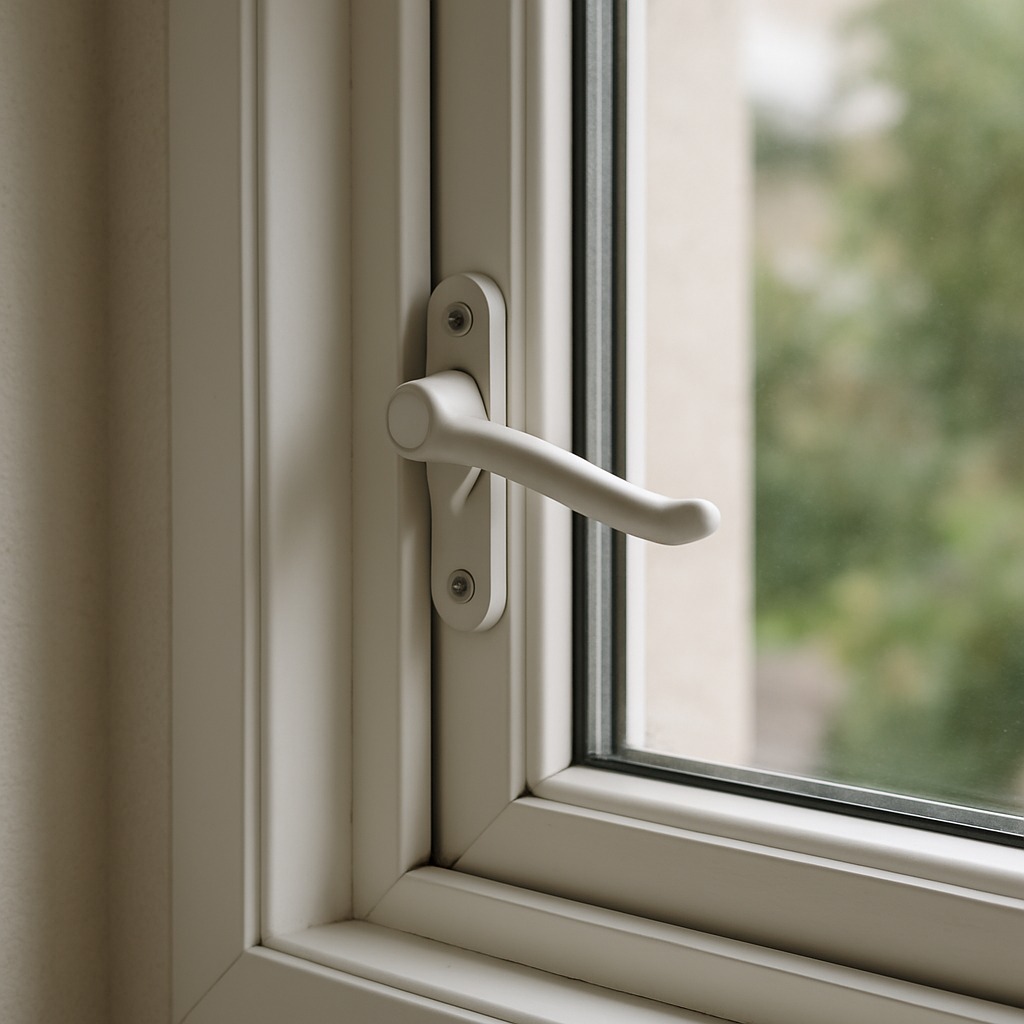
When a window refuses to open or close properly, it signals more than a minor inconvenience — it can mean compromised home security, failed weatherproofing, and escalating structural problems that worsen with every season. Homeowners typically notice the issue as unexpected resistance when lifting a sash, a crank handle that spins without engaging, or a window that drops closed on its own or gaps at the corners despite appearing shut. These clues matter because each points to a different root cause. Painted-shut windows — one of the most common culprits — produce a uniform resistance around the entire perimeter and are often found in older homes after repeated interior repainting. Warped frames, by contrast, create resistance that is heavier on one side, sometimes accompanied by a visible bow or gap when the sash is fully seated. Broken balance springs or sash cords, common in double-hung windows, cause a sash to feel unusually heavy going up and to slam or drift downward without support. Casement windows often fail at the operator mechanism: the crank turns freely but nothing moves, suggesting a stripped gear or disconnected arm. Swollen wood from moisture intrusion produces seasonal sticking that worsens in humid months and eases slightly when conditions dry out. Beyond the frustration of a stuck window, the stakes are real. A window that cannot fully close is a direct security vulnerability and allows conditioned air to escape year-round, inflating energy bills noticeably. In an emergency — fire, a need for ventilation, or a need to exit — a window that will not open can be life-threatening. Conversely, a window that will not latch closed invites water intrusion that quietly rots the rough opening framing behind the wall, a repair that can cost many times more than fixing the window itself. Prompt diagnosis and repair protect both your household and your home's structural integrity.
Never use excessive force to open or close a stuck window while standing on a ladder or leaning across an unsteady surface — a sudden give can throw you off balance with serious consequences. If you attempt to score a painted seal with a utility knife, always cut away from your body and keep your free hand well clear of the blade path along the frame. Do not strike the sash with a hammer or mallet even with a wood block in between; this can transfer impact force directly to the glass and cause it to shatter unpredictably, sending shards inward or outward. If the glass is already cracked, do not operate the window at all — movement can cause the pane to fail completely. When working on second-floor or higher windows, even for observation purposes, use a stable stepladder rated for your weight and have a second person present. If a window involves tempered, laminated, or insulated glass units, be aware that improper handling can cause spontaneous breakage long after the initial stress is applied. Keep children and pets out of the room while you are inspecting or performing any interim measures near compromised window glass or hardware.
The single most common reason a window will not open or close is wood swelling caused by moisture absorption, particularly in homes built before the 1990s with original wood-frame double-hung windows. When humidity rises — during summer, after heavy rain, or following any water intrusion event near the window — wood fibers absorb moisture and expand, compressing the sash tightly against the side jambs. This is why many homeowners notice the problem appearing or worsening in spring and early summer and improving slightly in dry winter months. The second most common cause in newer homes is a failed or worn balance mechanism: the coiled spring or spiral rod inside the window jamb that counterweights the sash loses tension over time, making the window feel impossibly heavy to lift and causing it to drop without warning. On casement windows, a stripped or seized operator gear is the predominant failure mode, since the mechanical advantage of the crank system concentrates wear into a small plastic or die-cast gear that eventually rounds out under repeated use.
Before touching any hardware or reaching for tools, take ten minutes to observe your window carefully from multiple angles and in different conditions. Many window problems reveal their cause through simple visual and tactile inspection, and identifying the right clue now saves time, money, and the risk of making a fixable problem worse. Work through these observations systematically and note exactly what you see and feel.
The goal at this stage is not to fully repair the window yourself — it is to stabilize the situation, prevent the problem from getting worse before a professional arrives, and gather the information a technician will need. Attempting forceful fixes without understanding the root cause is how minor sticking turns into a cracked sash, broken glass, or damaged frame. Take measured, low-risk actions only.
Walk to your stuck window right now and run your finger around the full sash perimeter to determine if paint, swelling, or broken hardware is the likely cause.
Call a window technician or window replacement specialist when basic observation confirms the problem goes beyond a painted seal or surface-level lubrication. Specifically, contact a professional if the sash is visibly warped or bowed, if the frame corners show separation or racking, if the crank mechanism on a casement window is broken or stripped, if balance springs or sash cords are snapped, or if you detect soft wood, discoloration, or a musty odor near the frame that suggests active rot or moisture damage. Any window where the lock or latch will not engage properly — leaving the home unsecured — also warrants a professional visit rather than a DIY workaround. Vinyl and fiberglass windows with warped frames generally cannot be repaired and require full sash or unit replacement, which a specialist must measure, order, and install correctly to maintain weathertight performance and, in many cases, preserve the window's warranty.
Escalate to an urgent same-day or next-day call if the window cannot be secured against unauthorized entry, if it is stuck open during a forecast of heavy rain or extreme temperatures, or if broken glass is present. A window that is stuck open in a child's bedroom or a ground-floor room represents an immediate safety and security risk that should not wait for a scheduled appointment. Similarly, if pressing on the surrounding wall or trim near a stuck window reveals spongy or soft drywall, the water damage may have already reached structural framing — a condition requiring both a window specialist and potentially a contractor to assess the extent of rot before any replacement is installed.
Call a window technician or window replacement specialist when basic observation confirms the problem goes beyond a painted seal or surface-level lubrication. Specifically, contact a professional if the sash is visibly warped or bowed, if the frame corners show separation or racking, if the crank mechanism on a casement window is broken or stripped, if balance springs or sash cords are snapped, or if you detect soft wood, discoloration, or a musty odor near the frame that suggests active rot or moisture damage. Any window where the lock or latch will not engage properly — leaving the home unsecured — also warrants a professional visit rather than a DIY workaround. Vinyl and fiberglass windows with warped frames generally cannot be repaired and require full sash or unit replacement, which a specialist must measure, order, and install correctly to maintain weathertight performance and, in many cases, preserve the window's warranty.
Escalate to an urgent same-day or next-day call if the window cannot be secured against unauthorized entry, if it is stuck open during a forecast of heavy rain or extreme temperatures, or if broken glass is present. A window that is stuck open in a child's bedroom or a ground-floor room represents an immediate safety and security risk that should not wait for a scheduled appointment. Similarly, if pressing on the surrounding wall or trim near a stuck window reveals spongy or soft drywall, the water damage may have already reached structural framing — a condition requiring both a window specialist and potentially a contractor to assess the extent of rot before any replacement is installed.
Call a window technician or window replacement specialist when basic observation confirms the problem goes beyond a painted seal or surface-level lubrication. Specifically, contact a professional if the sash is visibly warped or bowed, if the frame corners show separation or racking, if the crank mechanism on a casement window is broken or stripped, if balance springs or sash cords are snapped, or if you detect soft wood, discoloration, or a musty odor near the frame that suggests active rot or moisture damage. Any window where the lock or latch will not engage properly — leaving the home unsecured — also warrants a professional visit rather than a DIY workaround. Vinyl and fiberglass windows with warped frames generally cannot be repaired and require full sash or unit replacement, which a specialist must measure, order, and install correctly to maintain weathertight performance and, in many cases, preserve the window's warranty.
Escalate to an urgent same-day or next-day call if the window cannot be secured against unauthorized entry, if it is stuck open during a forecast of heavy rain or extreme temperatures, or if broken glass is present. A window that is stuck open in a child's bedroom or a ground-floor room represents an immediate safety and security risk that should not wait for a scheduled appointment. Similarly, if pressing on the surrounding wall or trim near a stuck window reveals spongy or soft drywall, the water damage may have already reached structural framing — a condition requiring both a window specialist and potentially a contractor to assess the extent of rot before any replacement is installed.