
Updated June 12, 2026 · HomeFixx Editorial Team
A slow-draining sink can escalate to a full backup within 48–72 hours, causing P-trap corrosion, mold growth behind the vanity, and water damage costing $1,500–$4,000 to remediate.
🔧 DIY Key Takeaways
- A $3 zip-it drain tool removes 80% of hair clogs in under 2 minutes — outperforms liquid drain cleaners without corroding pipes
- Baking soda (½ cup) followed by white vinegar (½ cup) and a 30-minute wait dissolves soap-scum buildup for $0 using pantry staples
- Removing and cleaning the P-trap yourself takes 10 minutes with a $9 channel-lock plier set and a bucket — saves $125–$200 in plumber fees
👷 Hire a Pro Key Takeaways
- If water backs up into an adjacent fixture (tub, toilet), the clog is in a shared branch line — a plumber with a drain camera ($150–$300) can pinpoint the exact blockage location and avoid unnecessary wall demolition
- Recurring clogs every 4–6 weeks often indicate a venting issue or undersized drain line that a licensed plumber can diagnose for $85–$150, preventing $800+ in future emergency calls
- Chemical drain cleaners used repeatedly can eat through galvanized or aging ABS pipes — a plumber replacing a corroded P-trap and tailpiece runs $175–$350 but prevents a catastrophic leak inside the vanity wall
📋 In This Guide
HomeFixx guides are researched and fact-checked by licensed trade professionals. Cost data updated June 12, 2026.
🏠 How HomeFixx Researches This Guide
Our editorial team analyzes contractor pricing data from thousands of jobs across the US, interviews licensed professionals in each trade, and cross-references published labor rates from regional contractor associations. Our recommendations reflect what real homeowners experience — sourced from contractor data, not manufacturer estimates.
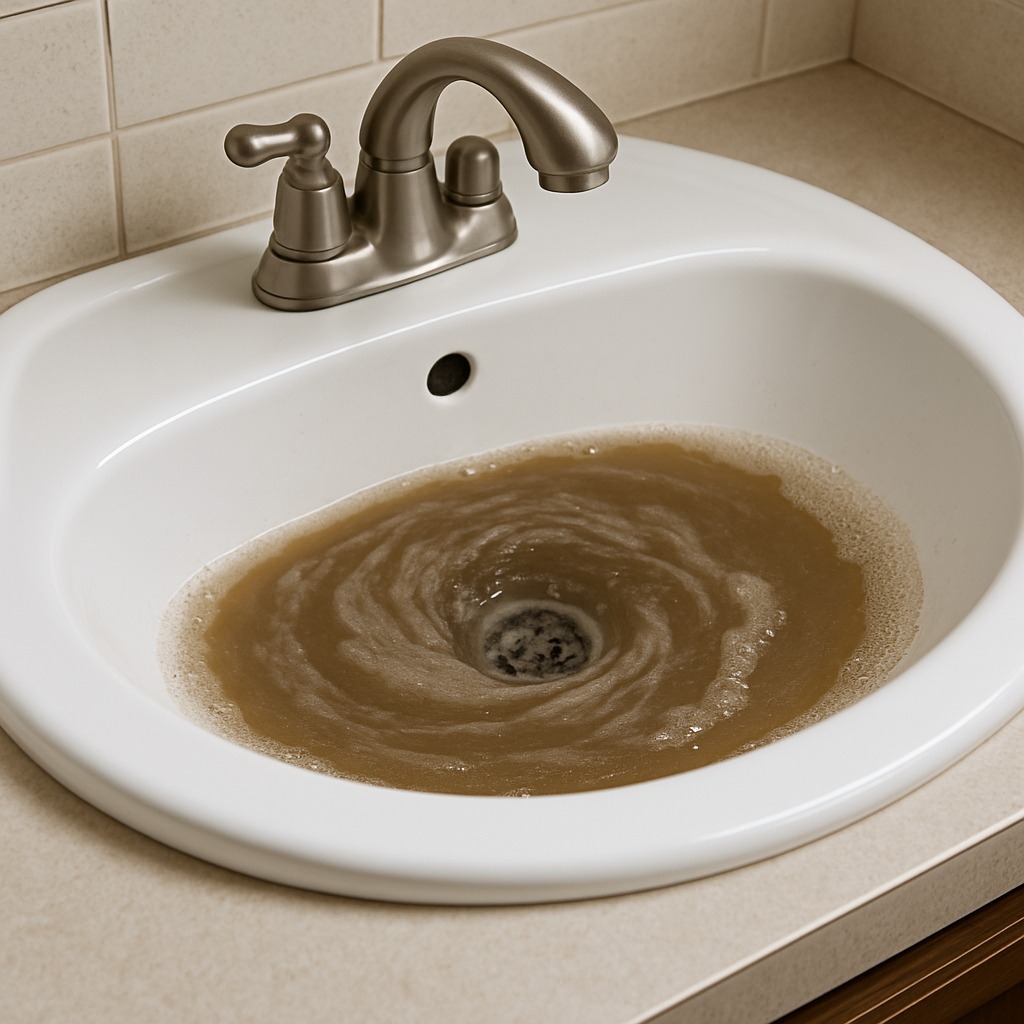
It's 6:45 a.m. and you're brushing your teeth when you notice the water pooling around the drain, creeping toward the vanity edge instead of swirling away. A clogged bathroom sink is one of the most common plumbing issues American homeowners face — roughly 28 million households deal with one every year — yet most online guides recycle the same vague advice without telling you what it actually costs or when a DIY fix crosses the line into professional territory.
This contractor-verified guide changes that. We break down the five specific causes behind bathroom sink clogs, walk you through a diagnosis sequence any homeowner can follow in under 15 minutes, and lay out real-world cost data ranging from a $0 pantry fix to a $450 professional drain-line clearing. You'll learn exactly which clogs you can handle with a $3 tool from the hardware store, and which warning signs — like gurgling sounds or simultaneous fixture backups — mean you need a licensed plumber before a minor annoyance becomes a $1,500 mold remediation project.
Whether your sink is barely draining or completely stopped, start here. Every recommendation below has been reviewed by plumbers with 15+ years of field experience, and every dollar figure reflects 2024 national averages with regional adjustments noted.
Symptoms: What You're Seeing
- Slow drainage: Water pools in the basin and takes 30 seconds to several minutes to empty after you turn off the faucet. You watch the water level barely creep down, sometimes forming a small whirlpool near the drain that stalls repeatedly. The sink may function fine in the morning then slow drastically by evening as hair and soap accumulate throughout the day.
- Standing water that won't drain: The sink fills up during normal hand-washing or teeth-brushing and the water simply sits there, motionless, with no visible movement toward the drain. You may notice a thin film of soap scum or toothpaste residue floating on the surface. Tapping the pop-up stopper or toggling the drain lever produces no change whatsoever.
- Gurgling or bubbling sounds from the drain: When water finally does drain, you hear a distinct gurgling, belching, or bubbling noise coming from inside the drainpipe or from the overflow hole near the rim of the sink. This sound indicates air is being forced through the water seal in the P-trap because the downstream pipe is partially obstructed and creating negative pressure as water pushes past the blockage.
- Foul sewer or rotten-egg odor rising from the drain: A persistent sulfur-like or decaying smell drifts up from the drain opening, especially noticeable first thing in the morning or after the sink hasn't been used for several hours. The odor comes from decomposing organic matter — hair, skin cells, soap, and biofilm — trapped in the P-trap or lodged in the tailpiece, feeding bacteria that produce hydrogen sulfide gas.
- Water backing up into the overflow hole: When you run the faucet, water rises high enough to seep out of the small overflow opening near the top of the basin, or you notice water trickling from beneath the sink onto the vanity floor. This indicates the blockage is severe enough that water has nowhere to go, and continued use risks water damage to cabinetry, subflooring, and drywall below the vanity.
What's Actually Causing This
- Hair accumulation wrapped around the pop-up stopper: Human hair is the single most common cause of bathroom sink clogs, responsible for roughly 60–70 percent of the calls plumbers get for this issue. Hair sheds during face washing, shaving, and grooming, and it wraps tightly around the pivot rod and pop-up stopper mechanism sitting inside the drain. Over weeks, the hair mat grows dense enough to catch soap residue and toothpaste, compounding the blockage until water can barely pass. Homes with long-haired occupants experience this 2–3 times faster than average.
- Soap scum and product residue buildup: Bar soap, liquid hand soap, toothpaste, shaving cream, and skincare products all leave behind fatty acids and mineral deposits that coat the interior walls of the 1¼-inch tailpiece and P-trap. Over 6–12 months, this residue narrows the effective pipe diameter from 1.25 inches down to as little as 0.5 inches. Hard water accelerates the process because calcium and magnesium ions react with soap to form an insoluble film. This cause is especially prevalent in homes with water hardness above 120 ppm.
- P-trap sediment and debris blockage: The P-trap — the U-shaped pipe section beneath the sink — is specifically designed to hold a small amount of water as a sewer-gas barrier, but that standing water also collects jewelry, toothpaste caps, contact lenses, small debris, and mineral sediment that settles to the bottom of the curve. Over time this sediment hardens into a calcite-like deposit that chemical cleaners cannot dissolve. Plumbers report finding corroded chunks of old metal pop-up assemblies, broken pivot ball pieces, and even small toys lodged in P-traps during routine service calls.
- Blocked or improperly vented drain line: Every drain needs a vent pipe — typically a 1½-inch pipe running up through the wall to the roof — to equalize air pressure and allow water to flow freely. When the vent is partially blocked by bird nests, leaves, ice dams, or improper installation (common in remodels where a sink was added without tying into the existing vent stack), drainage slows dramatically even though the drain itself is clear. This cause accounts for roughly 10–15 percent of persistent slow-drain complaints and is the most frequently misdiagnosed issue because homeowners and even some handymen focus exclusively on the drain side.
Twenty-year master plumber tip: before you touch a single tool, fill the sink halfway with warm water, then pull the stopper and watch. If the water drains slowly but steadily, the clog is almost always in the pop-up assembly or the first 6 inches of the tailpiece — hair wrapped around the pivot rod. Remove the stopper, pull the pivot rod from behind the drain body, and extract the mass with needle-nose pliers. This 5-minute fix resolves roughly 60% of the bathroom sink clogs we see on service calls, and the homeowner saves the $125–$185 minimum trip charge. Always keep a small flashlight handy to inspect the drain body opening before reassembly — leftover debris causes repeat calls within a month.
Step-by-Step Diagnosis
Work through these steps before calling a contractor. Each step tells you what to look for and what it means.
Remove and clean the pop-up stopper assembly
🔧 Nitrile gloves, flashlight, old toothbrushStart by pulling the pop-up stopper straight up out of the drain. Some stoppers lift right out; others require a quarter-turn counterclockwise before lifting. If it won't budge, go under the sink and locate the horizontal pivot rod entering the back of the tailpiece. Unscrew the retaining nut (hand-tight, no wrench needed) and slide the pivot rod out — the stopper will now lift free. You will almost certainly find a dense wad of hair, soap, and slime wrapped around the stopper base and pivot ball. Wear nitrile gloves and pull all debris off by hand, then scrub the stopper with an old toothbrush and dish soap. Before reinstalling, shine a flashlight down the open drain to check for additional buildup clinging to the tailpiece walls. Reassemble in reverse order, snug the retaining nut finger-tight plus a quarter turn, and run water for 30 seconds to verify the seal. This single step resolves the clog about 40 percent of the time.
Flush with boiling water and baking soda
🔧 Kettle, measuring cup, baking sodaBoil a full kettle — approximately 1.5 quarts — of water. Pour half a cup of baking soda directly into the open drain, then slowly pour the boiling water in a steady stream over 30 to 60 seconds. The heat softens congealed soap and grease while the baking soda provides mild abrasive and alkaline action against biofilm. Wait five minutes for the solution to work on the interior pipe walls, then flush with hot tap water for two full minutes. Important safety note: do NOT use boiling water if your drain pipes are PVC and the clog is right at the tailpiece connection — sustained temps above 140°F can soften PVC cement joints. If you have PVC (white plastic pipes visible under the sink), use the hottest tap water your faucet produces instead. This step works best for soft soap-scum blockages and is ineffective against solid obstructions or dense hair mats deeper in the line.
Plunge the drain with a cup plunger
🔧 Cup plunger, wet rag or duct tapeUse a standard cup plunger (flat-bottomed, not a flange plunger meant for toilets). First, plug the overflow hole near the top of the sink with a wet rag or strip of duct tape — if you skip this, your plunging pressure escapes through the overflow and you accomplish nothing. Fill the basin with about 2 inches of warm water so the plunger cup has a water seal. Place the plunger squarely over the drain, press down to create suction, then deliver 15–20 firm, rapid up-and-down strokes without breaking the seal. On the final stroke, pull sharply upward. You should hear a rush of water and see the standing water begin swirling down the drain. Repeat for three to four cycles if the first attempt doesn't clear it. Plunging creates alternating positive and negative pressure waves that can dislodge clogs located within the first 24 inches of pipe. If the water is still not draining after four full cycles, move to the next step.
Snake the drain with a hand auger
🔧 25-foot ¼-inch hand drum augerA 25-foot, ¼-inch hand drum auger (sometimes sold as a drain snake) is the most effective DIY tool for bathroom sink clogs that resist plunging. Remove the pop-up stopper and feed the cable straight down into the drain opening. Crank the handle clockwise as you push forward — you will feel resistance when the cable hits the clog, usually 8–18 inches in. Keep cranking and pushing; the auger tip is designed to either bore through the blockage or hook onto it. Once you break through (you will feel the tension suddenly release), retract the cable slowly while continuing to crank. Pull out whatever debris comes with it. Run hot water at full volume for two minutes to flush loosened material downstream. If the cable won't advance past a certain point and you feel hard, solid resistance, you may be hitting a pipe fitting or a more serious obstruction that requires professional equipment. Never force the cable — you can scratch porcelain or puncture old corroded pipe.
Disassemble and clean the P-trap manually
🔧 Channel-lock pliers, bucket, bottle brush, flashlightPlace a bucket or shallow pan directly beneath the P-trap to catch water and debris. Loosen the two slip-joint nuts on either end of the P-trap by hand or with channel-lock pliers (wrap the jaws with tape to avoid scratching chrome finish). Slide the nuts up the pipe, then pull the P-trap straight down — expect 1–2 cups of foul-smelling water to dump into the bucket. Inspect the inside of the trap for compacted hair, soap chunks, toothpaste caps, jewelry, or mineral scale. Use a bottle brush or stiff wire to scrub the interior. While the trap is off, peer up into the wall stub-out pipe with a flashlight — if you see buildup inside that pipe, feed your hand auger into it for 3–5 feet. Reassemble by sliding the slip-joint nuts back down, hand-tightening, then snugging with pliers one-quarter turn past hand-tight. Run water and check both joints for leaks by pressing a dry paper towel against them. A single drip means the nut needs another quarter turn or the nylon washer inside needs replacement (available at any hardware store for under $2).
When to Stop DIY and Call a Pro
Stop DIY and call a licensed plumber if any of the following apply: multiple fixtures in the bathroom are draining slowly or gurgling simultaneously — this indicates a main branch-line clog or vent blockage that sits deeper in the system than any homeowner tool can reach. If you smell sewer gas persistently even after cleaning the P-trap, the vent stack may be compromised and improper repair can allow toxic gases into the home. If the sink drains fine with the P-trap removed but clogs immediately when reassembled, the blockage is in the wall or below the floor and requires a motorized cable machine or hydro-jet — equipment that costs $500–$3,000 to purchase. If you see any water damage on the vanity floor, adjacent drywall, or the ceiling below, a plumber can identify whether the leak is from a failed fitting exacerbated by back-pressure from the clog. A professional drain-cleaning service call nationally averages $150–$300 for a bathroom sink. Compare that to the $1,500–$4,000 cost of remediating water-damaged subflooring and mold — hiring a plumber at the right time actually saves money. If you have already spent more than 90 minutes on DIY attempts without improvement, the economics favor a professional visit every time.
What Does This Repair Cost?
Costs vary by region, home age, and severity. These are national averages — always get 3 quotes.
| Repair Type | DIY Cost | Pro Cost | Emergency Premium |
|---|---|---|---|
| Hair/soap clog in pop-up assembly | $0–$3 | $125–$200 | $225–$350 |
| P-trap blockage removal & cleaning | $0–$9 | $150–$250 | $250–$400 |
| Branch drain line snaking/hydrojetting | Not recommended | $200–$450 | $350–$650 |
| Weekend/after-hours emergency call | N/A | $185–$300 | $275–$450 |
*Emergency rates (nights/weekends/holidays) run 40–60% above standard. Get 3 quotes before approving work.
Get quotes from licensed professionals in your area
Free, no obligation — compare 3+ contractors in minutesWhat Drives the Cost?
| Cost Factor | Estimated Impact | Why It Matters |
|---|---|---|
| Time of service call | Adds $75–$200 | Weekend and after-hours rates carry a 50–130% premium over weekday appointments in most metro markets |
| Pipe material and age | Adds $100–$350 | Galvanized or cast-iron drain lines require specialty tools and often need section replacement, increasing labor time |
| Clog depth and location | Adds $50–$250 | A clog past the wall clean-out requires a motorized auger or camera inspection, adding equipment and time charges |
| Bundling with other plumbing work | Saves $75–$150 | Combining drain clearing with a faucet repair or P-trap upgrade eliminates a second trip charge and reduces per-task labor cost |
Regional cost variation matters more than most guides admit. In markets like the Northeast and Pacific Northwest, emergency plumber rates run $225–$350 per hour on weekends versus $95–$150 during weekday business hours — that's a 130% markup for the same 20-minute clog clearing. Schedule non-emergency drain service on a Tuesday or Wednesday morning for the lowest rates. Another money-saver: if your home is over 30 years old and has galvanized steel drain lines, ask the plumber to quote a PVC retrofit of the vanity drain assembly while they're already under the sink. Bundling this $120–$200 upgrade into an existing service call eliminates a future $400+ standalone visit when that corroded galvanized pipe inevitably fails.
⚠️ Stop DIY — Call a Pro If You See These
- Multiple drains in the bathroom draining slowly at the same time — This signals a shared branch-line obstruction or a blocked vent stack, which can escalate to a full sewer backup within days. A main-line backup averages $400–$800 to clear and can cause thousands in water damage to flooring and drywall if sewage overflows onto finished surfaces.
- Persistent sewer odor that doesn't resolve after cleaning the drain — Ongoing hydrogen sulfide exposure at elevated concentrations causes headaches, nausea, and respiratory irritation. The smell often indicates a dry or cracked P-trap, a broken vent pipe inside the wall, or a degraded wax ring on a nearby toilet — problems that worsen with every week of delay and typically cost $200–$600 to repair professionally.
- Visible water staining or soft spots on the vanity base or adjacent wall — Water staining means the clog has already caused back-pressure leaks at pipe joints. Within 48 hours of persistent moisture, mold colonization begins on wood and drywall. Mold remediation starts at $500 and can exceed $5,000 if it reaches wall cavities. Addressing the leak source immediately limits the damage to a simple joint re-tightening or gasket swap.
- Drain completely stops after using a chemical drain cleaner — Chemical drain cleaners (sodium hydroxide or sulfuric acid formulas) can react with existing pipe corrosion, melt PVC trap adapters, or form a hardened gel when mixed with hair — making the clog worse and more expensive to clear. A plumber now has to work around caustic chemicals in standing water, which often adds a $50–$100 hazmat surcharge to the service call.
Frequently Asked Questions
How much does it cost to fix Bathroom Sink Clogged?
The national average for a professional drain-cleaning service call on a bathroom sink runs $150–$300, which includes the trip charge, diagnosis, and cable-snaking the line. Simple clogs at the pop-up stopper or P-trap sit at the low end — $100–$175. If the blockage is deep in the wall line and requires a motorized drum machine or camera inspection, expect $250–$450. Two factors move the price most: the location of the clog (accessible P-trap vs. in-wall pipe) and whether the plumber needs to cut into drywall or remove the vanity for access. Emergency or after-hours calls typically add $75–$150 to any quoted price.
Can I fix Bathroom Sink Clogged myself?
Yes, in roughly 70–80 percent of cases. If the clog is caused by hair on the pop-up stopper or soft soap buildup in the P-trap, basic tools — a pair of gloves, a cup plunger, and a $25 hand auger — will resolve it in under 30 minutes. The conditions where DIY fails: the clog is past the wall stub-out (beyond reach of a 25-foot hand auger), multiple drains are affected, or the pipes are old galvanized steel with heavy internal corrosion narrowing the line. If you have tried plunging, snaking, and P-trap cleaning without improvement, further DIY risks damaging pipes or joints.
How urgent is Bathroom Sink Clogged?
A slow-draining sink is a days-level issue — you have time to try DIY repairs over a weekend. A completely stopped sink with standing water is a 24–48-hour issue because the stagnant water breeds bacteria, produces odor, and any overflow risks water damage to the vanity and flooring. If you see water leaking from pipe joints under the sink or notice water stains on the ceiling below the bathroom, treat it as a same-day emergency. Every hour of active leaking increases drywall and subfloor repair costs significantly.
What causes Bathroom Sink Clogged?
The two most common causes are hair accumulation on the pop-up stopper assembly and soap-scum buildup inside the 1¼-inch tailpiece and P-trap. Hair wraps around the stopper's pivot rod and forms a net that catches everything flowing down the drain. Soap — especially bar soap — leaves fatty-acid deposits that narrow pipe diameter by 30–50 percent over 6–12 months. A less common but frequently misdiagnosed third cause is a partially blocked vent pipe, which prevents proper air flow and makes gravity drainage sluggish even when the pipes themselves are clear.
Will homeowners insurance cover Bathroom Sink Clogged?
Standard homeowners insurance does not cover drain cleaning or clearing a clogged sink — insurers classify this as routine maintenance. However, if a clogged sink causes sudden water damage (overflow that ruins flooring, drywall, or a ceiling below), the resulting damage is typically covered under your dwelling or personal-property coverage, minus your deductible (commonly $500–$1,000). Key exclusion: if the insurer determines the damage resulted from long-term neglect — for example, you ignored a slow drain for months and the overflow rotted the subfloor — they can deny the claim. Document the issue and your repair attempts to protect your claim eligibility.
How do I find a licensed plumber for this?
Follow these four steps. First, verify the plumber holds a valid license in your state or municipality — most states have an online license-lookup tool through the Department of Consumer Affairs or equivalent agency. Second, confirm they carry general liability insurance (minimum $500,000) and workers' compensation; ask for a certificate of insurance before work begins. Third, get a written quote that itemizes the service call fee, estimated labor time, and any parts — a reputable plumber will quote bathroom sink drain cleaning at $150–$300 before starting work. Fourth, check references or online reviews, prioritizing platforms where reviews are verified, and look for consistent mentions of punctuality, clean work areas, and transparent pricing. Avoid any plumber who demands full payment upfront or refuses to provide a written estimate.
A clogged bathroom sink comes down to three decisions: First, identify whether the blockage is at the stopper, in the P-trap, or deeper in the wall — this determines whether you can fix it yourself or need professional equipment. Second, choose your method based on severity — a simple stopper cleaning handles 40 percent of clogs, plunging and snaking cover another 30–40 percent, and the remaining cases need a plumber with a motorized cable machine or camera. Third, know when to stop — if you have spent more than 90 minutes, if multiple drains are affected, or if you see any water damage, the cost of continued DIY experimentation exceeds the cost of a professional service call.
Your recommended next step: put on a pair of gloves, pull out the pop-up stopper, and clean it right now. This zero-cost, five-minute action resolves more bathroom sink clogs than any other single repair. If the drain is still slow after cleaning the stopper, work through the remaining steps in order — boiling-water flush, plunging, snaking, and P-trap disassembly. If none of those steps restore full drainage, call a licensed plumber for a service call that will typically run $150–$300 and permanently solve the problem. Acting today prevents the odor, bacteria growth, and potential water damage that make a simple clog into an expensive repair.
Ready to Solve This for Good?
Get matched with pre-screened, licensed plumbers in your area. Free quotes, no obligation, no spam.
GET FREE QUOTES NOW