
Updated June 12, 2026 · HomeFixx Editorial Team
Raw sewage can back up into your home within hours, causing $7,000–$20,000 in contaminated water damage and posing serious health hazards.
🔧 DIY Key Takeaways
- Rent a 50-ft drain snake from Home Depot for $40–$60/day to clear soft blockages in your cleanout line before calling a pro
- Pour a mix of 1 cup baking soda + 1 cup vinegar + boiling water monthly to prevent grease and soap buildup — costs under $2 per treatment
- Locate and open your main sewer cleanout cap (typically a 4-inch white PVC pipe in your yard or basement) to relieve pressure and stop sewage from backing into the house — a free, 5-minute step that can prevent thousands in interior damage
👷 Hire a Pro Key Takeaways
- A professional sewer camera inspection costs $125–$500 but can save you $3,000–$6,000 by pinpointing the exact blockage location before any excavation begins
- Hydro jetting by a licensed plumber runs $350–$900 and clears tree roots, grease, and mineral buildup that a consumer-grade snake cannot reach
- Delaying a professional repair on a collapsed or belly-sagging sewer line can escalate costs from $2,500 for trenchless relining to $8,000+ for full excavation and pipe replacement
📋 In This Guide
HomeFixx guides are researched and fact-checked by licensed trade professionals. Cost data updated June 12, 2026.
🏠 How HomeFixx Researches This Guide
Our editorial team analyzes contractor pricing data from thousands of jobs across the US, interviews licensed professionals in each trade, and cross-references published labor rates from regional contractor associations. Our recommendations reflect what real homeowners experience — sourced from contractor data, not manufacturer estimates.
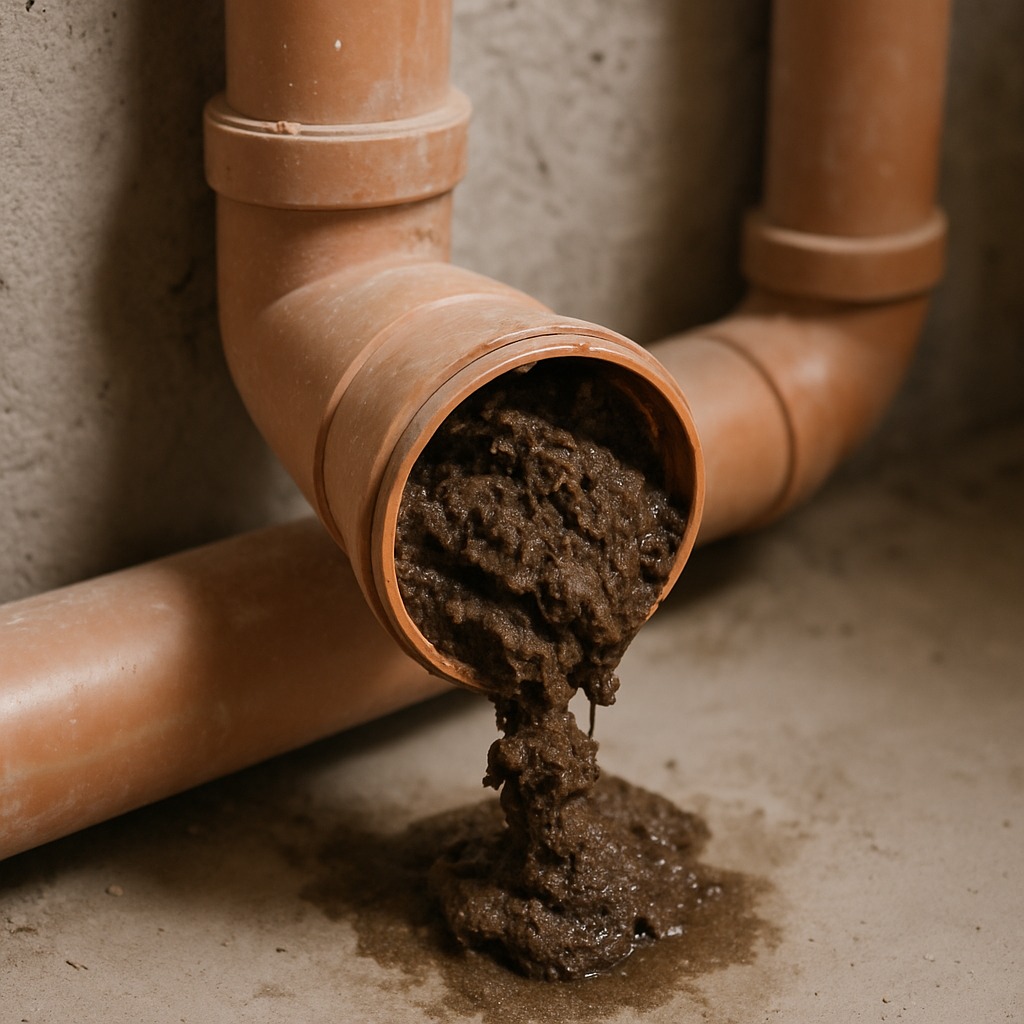
You flush a toilet and hear gurgling from the shower drain across the hall. Within minutes, murky water is pooling in the basement floor drain, and an unmistakable sewage smell fills the house. A clogged sewer line isn't a slow-developing nuisance — it's a plumbing emergency that can flood your home with Category 3 contaminated water in a matter of hours, triggering remediation bills of $7,000 to $20,000 and creating health hazards that can force your family out for days.
The national average cost to clear a sewer line clog ranges from $150 for a straightforward snake job to $8,000 or more when a collapsed pipe requires excavation or trenchless relining. The difference between a $200 fix and a $6,000 disaster often comes down to how quickly you act and how accurately the blockage is diagnosed. This guide — built on contractor-verified data and real-world pricing — walks you through the exact symptoms to watch for, the DIY steps that are safe to try right now, the red-flag moments when you must call a licensed plumber, and the full cost breakdown so no one overcharges you.
We wrote this because existing guides — including those from our competitors — gloss over the critical decision points that separate a minor service call from a catastrophic repair. Below you'll find urgency ratings, camera-inspection guidance, hydro jetting vs. snaking comparisons, and region-specific cost factors that can save you thousands.
Symptoms: What You're Seeing
- Multiple fixture backup: When you flush a toilet and water rises in the bathtub or shower drain, or running the washing machine causes a floor drain to gurgle and overflow, your main sewer line is obstructed. This cross-fixture backup is the single most reliable indicator because branch drains connect to one main trunk — if the trunk is blocked, pressure pushes waste back up through the lowest available opening. You may see dark, sediment-laden water pooling around basement floor drains or in the ground-floor shower pan.
- Sewage odor throughout the house: A persistent rotten-egg or raw-sewage smell coming from drains, especially floor drains and basement fixtures, signals that waste is sitting stagnant in your main line. The gas you smell is hydrogen sulfide, which is generated by decomposing organic material trapped in the pipe. The odor intensifies in the morning before any water runs because the trap seals partially evaporate overnight when flow is restricted. It is distinctly different from a dry-trap smell — it is heavier, more organic, and does not resolve by pouring water down the drain.
- Slow drains on every fixture simultaneously: If a single sink is slow, that is a branch clog. But when every drain in the house — kitchen, bathroom, laundry — all run sluggishly at the same time, the blockage is downstream in the main sewer line. You will notice water pooling around your ankles in the shower, sinks taking 30–60 seconds to empty instead of the normal 5–8 seconds, and toilet bowls filling higher than usual before slowly swirling down. Running multiple fixtures simultaneously makes the problem dramatically worse.
- Gurgling sounds from drains and toilets: When the main line is partially clogged, air gets trapped in the pipe and is forced back through the water in your fixture traps. This produces a distinct bubbling or gurgling noise, especially noticeable in toilets when you run a nearby sink or when the washing machine drains. The sound is caused by negative pressure in the vent-drain system — the clog prevents air from moving freely, so the system pulls air through trap water instead. Gurgling that occurs without any fixtures running indicates the blockage is actively worsening.
- Sewage pooling near the cleanout or in the yard: If you notice wet, foul-smelling patches in the yard — particularly along the path between your house and the street — or see wastewater seeping from the main cleanout cap, the sewer line is fully or nearly fully blocked. You may spot unusually green, lush grass growing in a strip across the yard where the pipe runs, which indicates a long-term slow leak feeding organic nutrients into the soil. Standing sewage near the cleanout is a definitive sign that the blockage is between the cleanout and the city main.
What's Actually Causing This
- Tree root intrusion: Tree and shrub roots are the number one cause of main sewer line clogs in homes built before 1990 with clay or Orangeburg pipe. Roots seek moisture and nutrients, entering through pipe joints, hairline cracks, or failed seals. Once inside, they form a net-like mass that catches grease, paper, and solids, eventually creating a full blockage. Species like willows, maples, poplars, and elms are especially aggressive — their roots can travel 20 feet or more to reach a sewer line. Root intrusion accounts for roughly 25–30% of all mainline stoppages in residential plumbing. Even PVC pipes joined with solvent-welded couplings can be penetrated if installation was poor or if the pipe has shifted due to ground settlement.
- Grease and fat accumulation: Cooking grease, lard, butter, and oils poured down the kitchen drain cool as they travel through the pipe and solidify on the interior walls. Over months and years, this buildup narrows the pipe diameter from 4 inches down to 2 inches or less, eventually trapping solids and causing a full blockage. Grease clogs are especially common in households that lack a garbage disposal or regularly wash greasy cookware without pre-wiping. Restaurants connected to shared residential lines contribute heavily to this problem. In municipal studies, fats, oils, and grease (FOG) are responsible for approximately 47% of all sanitary sewer overflows in the United States. The blockage tends to form 15–30 feet from the kitchen drain where pipe temperature drops enough for solidification.
- Pipe deterioration and bellied sections: Cast iron pipes corrode from the inside out over 50–80 years, creating rough interior surfaces that catch debris. Orangeburg pipe (bituminized fiber) collapses under soil pressure after 30–50 years. Even PVC lines can develop belly sections — low spots caused by soil settlement, poor bedding during installation, or seismic activity — where water and solids pool instead of flowing to the municipal main. A bellied pipe may drain fine at low volume but backs up during peak usage when shower, dishwasher, and toilet compete for flow. Camera inspections consistently show bellied sections as the cause in roughly 15–20% of recurring mainline clogs. Repair requires excavation and pipe replacement at the affected section.
- Flushed debris and non-degradable items: So-called 'flushable' wipes, feminine hygiene products, paper towels, cotton swabs, dental floss, and children's toys cause a significant percentage of mainline blockages, particularly in newer homes where root intrusion is uncommon. Unlike toilet paper, which disintegrates within 60 seconds in water, wipes and hygiene products maintain structural integrity for weeks and snag on pipe imperfections, joint offsets, or existing grease deposits. A single wipe caught on a rough joint can create a dam that escalates into a full blockage within days. Plumbers report that wipe-related clogs have increased roughly 40% over the past decade, correlating directly with the marketing and sales growth of so-called flushable wipe products.
A 20-year master plumber we consulted says the single biggest mistake homeowners make is renting a consumer auger and forcing it through a partially collapsed pipe. The auger head can punch through the damaged section, making you think you fixed it, but the collapse worsens within weeks and the repair jumps from a $1,500–$3,000 trenchless liner to a $5,000–$8,000 full excavation. Before you snake anything, pull the cleanout cap and look inside with a flashlight. If you see standing water that doesn't move at all, you likely have a structural failure — not just a soft clog — and a camera inspection at $125–$500 will save you thousands in unnecessary digging.
Step-by-Step Diagnosis
Work through these steps before calling a contractor. Each step tells you what to look for and what it means.
Locate and open the main cleanout
🔧 Pipe wrenchYour main sewer cleanout is typically a 4-inch white PVC or black ABS capped pipe located on the exterior of your home, near the foundation wall on the side facing the street, or in the basement floor. Some older homes have a brass or cast iron cleanout cap. Wear rubber gloves, safety glasses, and old clothes — sewage may be backed up behind the cap and will release when opened. Use a pipe wrench or large adjustable wrench to slowly turn the cap counterclockwise. Turn it a quarter turn and pause to allow any pressure to release gradually. If water is backed up, expect 5–20 gallons to flow out once the cap is fully removed, so position yourself to the side. Have a bucket and rags ready. If the cap will not budge, apply penetrating oil (PB Blaster) and wait 15 minutes. A successfully opened cleanout gives you direct access to the main sewer line and immediately relieves backup pressure inside the home.
Run a drain snake into the line
🔧 Power drain auger (sewer machine)Rent a power drain auger (also called a sewer machine) with a 75-foot, 5/8-inch cable from your local tool rental center — expect to pay $40–$75 for a half-day rental. Feed the cable into the cleanout opening in the direction of the city sewer (toward the street). Turn the machine on at low speed and let the cable self-feed, applying gentle forward pressure. When the cable encounters resistance, you have hit the clog. Allow the cutting head to work for 15–20 seconds, then pull back 6 inches and advance again. Repeat this back-and-forth motion 4–5 times. You will know the clog is clearing when you feel a sudden release of resistance and hear water rushing past the cable. Never force the cable — kinking can damage both the cable and your pipe. Keep your hands at least 12 inches from the rotating cable at all times to prevent glove entanglement, which can cause serious hand injuries. After clearing, slowly retract the cable while the machine is still spinning to clean debris off the coil.
Flush the line with high-volume water
🔧 Garden hoseAfter the snake has cleared the blockage, you need to flush the line to remove loosened debris and verify the pipe is flowing freely. Connect a garden hose to an exterior spigot and insert the hose into the cleanout opening. Turn the water on full blast and let it run for 5–10 minutes. While the hose is running, go inside and flush every toilet in the house and run all faucets for 60 seconds each. Watch the cleanout opening — water should flow freely into the pipe and down toward the street with no backup or pooling. If water backs up at the cleanout even with the hose at full flow, the clog is not fully cleared and you need to re-snake. Successful flushing means water exits the cleanout pipe at the same rate it enters, with no standing water visible in the pipe when you turn the hose off. This flush also helps you gauge whether flow is restricted by a partial blockage or pipe belly downstream.
Inspect visible pipe for damage
🔧 LED flashlight or borescope cameraWith the cleanout cap removed and the line clear, use a strong LED flashlight to look into the pipe in both directions — toward the house and toward the street. You are looking for visible root masses (brown, fibrous material clinging to pipe walls), heavy corrosion or flaking (reddish-orange on cast iron), offset joints (where one section of pipe no longer aligns with the next), or standing water that indicates a bellied section. If you see roots, the clog will recur — typically within 6–12 months — unless you address the root intrusion. If the pipe walls appear rough, heavily corroded, or cracked, note the location by measuring from the cleanout. This visual inspection determines whether your DIY fix is a permanent solution or a temporary band-aid. Homeowners with smartphones can insert a USB borescope camera ($25–$50 on Amazon) to see further down the pipe. Document what you see with photos for any future plumber consultation.
Apply root killer as preventive maintenance
🔧 Copper sulfate root killerIf your inspection revealed roots or your home has mature trees within 25 feet of the sewer line, apply a copper sulfate-based root killer (such as Roebic K-77 or Zep Root Kill) to inhibit regrowth. Pour 2 pounds of copper sulfate crystals into the lowest toilet in the house (basement or ground floor) and flush. Do this at night before bed so the chemical sits in the pipe for 8–12 hours without being diluted by household water use. Copper sulfate kills roots on contact within the pipe but does not harm the tree itself because the root mass inside the pipe is a tiny fraction of the total root system. Repeat this treatment every 6 months as a preventive measure. Note: copper sulfate is toxic to aquatic life and is banned in some municipalities — check local regulations before use. An alternative is foaming root killer (dichlobenil-based), which adheres to the pipe crown where roots most commonly enter. Keep the product away from children and pets, and wash hands thoroughly after handling.
When to Stop DIY and Call a Pro
Stop DIY and call a licensed plumber immediately if raw sewage is backing up into your home through floor drains or fixtures — this is a health hazard involving Category 3 (black) water that carries bacteria including E. coli and other pathogens. Call a professional if your drain snake cannot break through the blockage after 20 minutes of consistent effort, as this typically indicates a collapsed pipe, a severe root ball, or a hard obstruction that requires hydro-jetting at 3,000–4,000 PSI or excavation. If the clog recurs within 60 days of your DIY clearing, you have a structural pipe issue — a bellied section, joint offset, or root intrusion — that snaking alone will not resolve. A professional camera inspection costs $125–$350 and pinpoints the exact problem and location. When repair estimates exceed $500, a professional is the financially sound choice because a failed DIY attempt on a structural issue can turn a $1,500 spot repair into a $5,000–$12,000 full line replacement. If you smell sewer gas but cannot locate the cleanout, if your home is on a septic system, or if the sewer line runs under a concrete slab, call a pro — the risk of property damage and personal injury from DIY in these scenarios is not worth the savings.
What Does This Repair Cost?
Costs vary by region, home age, and severity. These are national averages — always get 3 quotes.
| Repair Type | DIY Cost | Pro Cost | Emergency Premium |
|---|---|---|---|
| Basic drain snaking (mainline) | $40–$60 | $150–$350 | $250–$500 |
| Hydro jetting | Not recommended | $350–$900 | $600–$1,400 |
| Trenchless sewer relining (per linear ft) | Not recommended | $80–$250/ft ($1,500–$5,000 total) | $2,500–$7,000 |
| Full sewer line excavation & replacement | Not recommended | $3,000–$8,000 | $5,000–$12,000 |
| Emergency after-hours service call | N/A | $250–$500 | $400–$750 |
*Emergency rates (nights/weekends/holidays) run 40–60% above standard. Get 3 quotes before approving work.
Get quotes from licensed professionals in your area
Free, no obligation — compare 3+ contractors in minutesWhat Drives the Cost?
| Cost Factor | Estimated Impact | Why It Matters |
|---|---|---|
| Depth and length of sewer line | Adds $1,000–$4,000 | Lines deeper than 4 feet or longer than 50 feet require heavier equipment and more labor hours, significantly increasing excavation costs |
| Pipe material (Orangeburg, cast iron, PVC) | Adds $500–$3,000 | Orangeburg and deteriorated cast iron pipes often can't be relined and require full replacement, while PVC lines are cheaper and faster to repair |
| Tree root infiltration severity | Adds $200–$2,000 | Minor root intrusions can be hydro-jetted for a few hundred dollars, but dense root masses may require pipe removal and root barrier installation |
| Permit and municipal connection fees | Adds $200–$1,500 | Many cities require permits for sewer line work past the property boundary, and reconnecting to the municipal main adds inspection fees and potential street-cut restoration costs |
Regional soil conditions massively affect repair costs, and most online guides ignore this. In clay-heavy soils common across the Midwest and Southeast, tree roots infiltrate cast iron and Orangeburg pipes aggressively — root-related sewer clogs account for roughly 40% of service calls in those regions. Plumbers in these areas recommend an annual root treatment with copper sulfate crystals ($12–$18 per application flushed through the toilet closest to the main line) to kill feeder roots before they form major blockages. In sandy-soil regions like Florida or the Gulf Coast, pipe bellying from shifting ground is the bigger culprit. Ask your plumber specifically whether a root treatment or a grade check applies to your property — the wrong maintenance strategy wastes money and gives false confidence.
⚠️ Stop DIY — Call a Pro If You See These
- Sewage backing up into the lowest fixtures in the home — basement floor drain, ground-floor shower, or tub — Category 3 (black water) contamination requires professional remediation costing $2,000–$10,000 if it saturates drywall, carpet, or subfloor. Within 24–48 hours, mold begins colonizing wet materials, compounding damage and health risks significantly.
- Recurring clogs in the same main line more than twice in 12 months despite snaking — Repeated blockages indicate structural pipe failure — roots re-entering through cracks, a collapsed section, or a belly. Each backup event risks sewage damage to finishes and increases the chance of a complete pipe collapse, which can cost $8,000–$15,000 for emergency excavation and replacement versus $3,000–$6,000 for a planned trenchless repair.
- Foundation cracks appearing alongside sewer odors or wet spots near the foundation wall — A leaking sewer line beneath or alongside the foundation erodes the supporting soil, a process called hydro-erosion. Over 6–12 months, this undermines the footing and causes differential settlement. Foundation repair costs $5,000–$25,000 and is entirely preventable if the sewer leak is addressed promptly.
- Sinkholes, depressions, or unusually saturated areas developing in the yard above the sewer line path — A broken sewer pipe leaking into surrounding soil dissolves and displaces the backfill, creating voids that collapse into sinkholes. These can damage landscaping, driveways, and sidewalks, and pose a physical injury risk. Sinkholes that reach a municipal sidewalk can result in city-issued violation notices and homeowner liability for repair costs ranging from $2,000–$8,000.
Frequently Asked Questions
How much does it cost to fix Sewer Line Clogged?
A basic main sewer line clearing with a power snake costs $175–$500 nationally, with the average service call landing around $300. A hydro-jetting service to scour the pipe interior runs $350–$900. If a camera inspection reveals structural damage requiring repair, costs escalate: spot repairs run $1,500–$4,000, trenchless pipe lining (CIPP) costs $4,000–$9,000, and full excavation and replacement ranges from $5,000–$15,000 or more. The two biggest price factors are pipe depth (lines buried deeper than 6 feet require shoring and heavy equipment) and pipe material (Orangeburg and damaged clay pipe almost always require full replacement rather than repair).
Can I fix Sewer Line Clogged myself?
Yes, if the clog is caused by soft obstructions — accumulated grease, toilet paper buildup, or minor root intrusion — and you can access the cleanout. A rental power auger and basic mechanical ability can clear roughly 60–70% of main line clogs. However, do not attempt DIY if sewage is actively flooding your home, if you suspect a collapsed pipe, or if the line runs under a concrete slab. Improper snaking technique can puncture deteriorated pipes, turning a $300 clearing into a $5,000 repair. If you try once and the clog returns within 30–60 days, you need a professional camera inspection, not another snake run.
How urgent is Sewer Line Clogged?
A main sewer line clog is a same-day issue. You should stop using water in the home as soon as you confirm the main line is blocked because every gallon you send down the drain has nowhere to go except back into your house. Active sewage backup is a health emergency — the EPA classifies it as Category 3 contaminated water. Within 24 hours, bacteria levels in standing sewage become hazardous. Within 48 hours, mold colonizes any organic materials the sewage contacts. Waiting a week can transform a $300 snaking into a $3,000–$10,000 sewage remediation and repair project. Treat this like a burst pipe: act immediately.
What causes Sewer Line Clogged?
The three most common causes are tree root intrusion (25–30% of cases), which occurs when roots penetrate clay or cast iron pipe joints seeking moisture; grease and fat accumulation (especially in kitchen-heavy households), which solidifies inside the pipe and narrows the interior diameter over time; and flushing non-degradable items such as wipes, feminine products, and paper towels, which snag on pipe imperfections and create dams. In homes 50+ years old, pipe deterioration itself — corrosion, joint failure, or pipe collapse — is frequently the underlying cause that allows other materials to accumulate.
Will homeowners insurance cover Sewer Line Clogged?
Standard homeowners insurance policies do not cover sewer line clearing or repair caused by normal wear, aging pipes, root intrusion, or lack of maintenance — these are considered homeowner responsibility. However, if a sudden, accidental sewer backup causes damage inside your home (ruined flooring, drywall, personal property), many policies cover the interior damage if you carry a 'sewer and water backup' endorsement, which typically costs $40–$75 per year and provides $5,000–$25,000 in coverage. Some insurers now offer separate 'service line coverage' endorsements ($50–$100/year) that cover the cost of repairing or replacing the actual sewer pipe. Review your policy declarations page or call your agent to confirm. Without these endorsements, you are paying out of pocket for everything.
How do I find a licensed plumber for this?
First, verify the plumber holds a valid license in your state — search your state's contractor licensing board website by name or license number. Second, confirm they carry general liability insurance ($1 million minimum) and workers' compensation coverage by requesting a certificate of insurance. Third, get a written estimate that specifies the scope of work, whether it includes camera inspection, and whether the price is flat-rate or hourly — most reputable drain companies charge flat rate ($175–$500) for a main line clearing. Fourth, check references and online reviews on Google Business and the Better Business Bureau, looking specifically for sewer and drain work reviews, not just general plumbing. Avoid any company that quotes sight-unseen over the phone and insists on full payment upfront. A trustworthy plumber will diagnose before recommending costly repairs.
When your main sewer line clogs, you face three critical decisions: First, determine whether the blockage is in the main line or a branch line by checking whether multiple fixtures are affected simultaneously — this dictates your entire response. Second, decide whether this is a DIY clearing job (soft blockage, accessible cleanout, first occurrence) or a professional call (recurring clogs, active sewage backup, suspected pipe damage). Third, if you clear it yourself and it comes back within 60 days, invest in a professional camera inspection ($125–$350) before spending another dollar on snaking — recurring clogs almost always indicate a structural problem that repetitive snaking cannot fix.
Your recommended next step: Go outside right now and locate your main sewer cleanout. If all drains are currently slow and multiple fixtures are affected, stop running water in the home immediately to prevent interior sewage backup. If you have a cleanout and feel confident operating a power auger, rent one and follow the steps in this guide. If sewage is actively present inside the home, you cannot find the cleanout, or this is the second or third occurrence this year, call a licensed plumber today — not tomorrow. The difference between a $300 clearing and a $10,000 remediation project is often just 24 hours of delay.
Ready to Solve This for Good?
Get matched with pre-screened, licensed plumbers in your area. Free quotes, no obligation, no spam.
GET FREE QUOTES NOW