
Updated June 13, 2026 · HomeFixx Editorial Team
A persistently clogged toilet that won't clear can cause sewage backup into your home within 4–12 hours, risking $3,000–$15,000 in water damage and contamination remediation.
🔧 DIY Key Takeaways
- A $12 flange plunger outperforms a standard cup plunger by 3x — the inner flange creates a seal specific to toilet drains that actually generates enough hydraulic force to move deep clogs
- Pouring 1/2 cup dish soap and a gallon of hot (not boiling) water into the bowl and waiting 20 minutes dissolves grease-based clogs for $0 — boiling water can crack porcelain, costing you a $250–$450 toilet replacement
- A $30 toilet auger (closet auger) reaches 3–6 feet into the drain line and clears 80% of clogs that resist plunging, but never use a standard drain snake — the exposed metal cable will gouge and permanently scratch your toilet's porcelain trap
👷 Hire a Pro Key Takeaways
- If a toilet auger fails to clear the clog, the blockage is likely in your main drain line — professional camera inspection ($150–$350) identifies exact location and saves you from paying for unnecessary exploratory work
- Recurring clogs in the same toilet often indicate a partially collapsed drain pipe or root intrusion, costing $400–$1,200 to repair, but delaying the fix risks a full sewage backup that can trigger $5,000–$15,000 in remediation
- Emergency plumber calls between 6 PM and 7 AM or on weekends typically run $250–$450 for after-hours toilet unclogging versus $125–$225 during regular business hours — calling during weekday mornings saves 40–50%
📋 In This Guide
HomeFixx guides are researched and fact-checked by licensed trade professionals. Cost data updated June 13, 2026.
🏠 How HomeFixx Researches This Guide
Our editorial team analyzes contractor pricing data from thousands of jobs across the US, interviews licensed professionals in each trade, and cross-references published labor rates from regional contractor associations. Our recommendations reflect what real homeowners experience — sourced from contractor data, not manufacturer estimates.
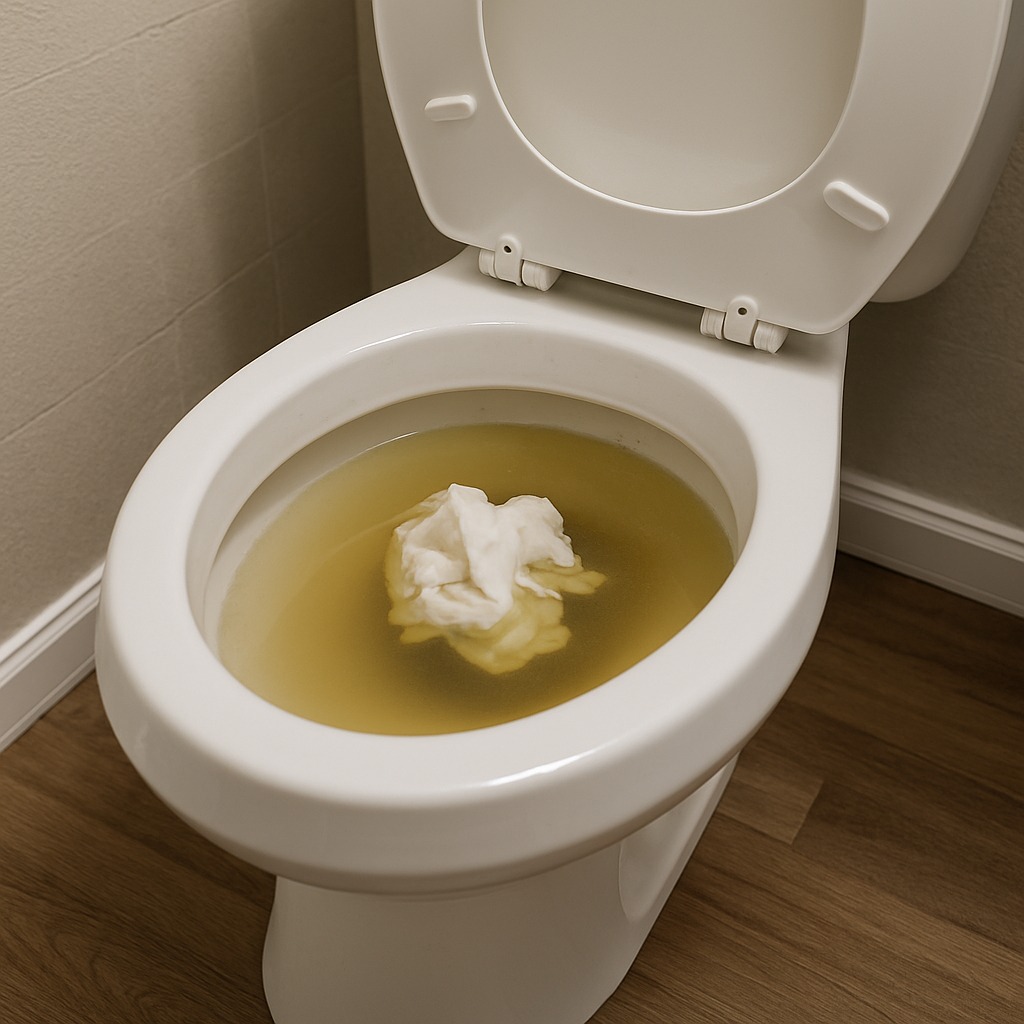
You've plunged twenty times. The water rises, swirls, and sits there — mocking you. The toilet is clogged and absolutely will not unclog, and now you're wondering whether the next flush sends sewage across your bathroom floor. This is one of the most common and most stressful plumbing problems American homeowners face, and the wrong move right now can turn a $15 fix into a $1,200 emergency plumber visit or, worse, thousands in water damage restoration.
Here's what most generic guides won't tell you: roughly 30% of "won't unclog" toilets aren't actually toilet clogs at all — they're main drain line blockages that require a completely different solution. Plunging harder won't help. Another dose of drain cleaner will corrode your pipes. You need a systematic diagnosis, and that's exactly what this contractor-verified guide delivers.
Below, we break down every cause of a stubbornly clogged toilet — from a simple excess-tissue blockage to a collapsed sewer lateral — with real 2024 cost data, step-by-step DIY instructions rated by difficulty, and clear thresholds for when you need a licensed plumber. We sourced these insights from master plumbers with 15–25 years in residential service so you can fix this fast and avoid overpaying.
Symptoms: What You're Seeing
- Water rises to the rim after flushing: When you push the flush handle, water fills the bowl rapidly and climbs within half an inch of the rim instead of swirling down. You may see small air bubbles percolating up through the standing water. The water level stays elevated for several minutes or drains painfully slowly over 10–15 minutes, indicating the trapway or drainline is severely restricted.
- Plunger fails to restore flow after multiple attempts: You work a flange plunger with 15–20 vigorous strokes, get a brief gurgle, but the bowl refills and remains stagnant. Each cycle moves less debris. You feel minimal suction resistance on the plunger head, suggesting the blockage is compacted or located beyond the toilet's internal trap, typically more than 12 inches past the bowl outlet.
- Gurgling sounds from nearby drains or fixtures: While the toilet sits clogged, you hear a rhythmic gurgling or bubbling noise from the bathtub drain, bathroom sink, or floor drain in the same bathroom. This sound indicates negative pressure in the shared drain-waste-vent (DWV) system, meaning the clog may extend past the toilet's own branch line into a shared 3-inch or 4-inch horizontal drain.
- Sewage odor in the bathroom or hallway: A persistent rotten-egg or sulfur smell develops within hours of the clog forming. The odor intensifies when you attempt to flush again because waste gases cannot vent properly through the blocked line. If the smell extends beyond the bathroom into an adjacent hallway or room, the blockage is likely trapping gas downstream in the main stack.
- Toilet bowl drains partially then refills on its own: Without anyone flushing, the water level in the bowl drops two to three inches, pauses, then slowly rises back. This phantom cycling indicates a partial blockage acting as a siphon—water seeps past the obstruction, creates negative pressure, pulls bowl water down, then equalizes. This pattern repeats every 5–10 minutes and signals an object lodged in the horn or trapway.
What's Actually Causing This
- Excessive toilet paper or thick wipe accumulation: The single most common cause, responsible for roughly 80% of residential toilet clogs according to plumbing service call data. Standard toilets flush with 1.6 gallons per flush (GPF) or 1.28 GPF on WaterSense models. When a user wads more than about 15–20 sheets of standard two-ply or uses even one so-called 'flushable' wipe, the mass exceeds what the siphon jet can push through the 2-inch glazed trapway. The paper compacts against the first bend of the trap, absorbs water, swells, and forms a plug that tightens with every additional flush attempt.
- Foreign object lodged in the trapway: Children's toys, dental floss bundles, cotton swabs, feminine hygiene products, and excessive hair are frequently retrieved during snake-outs. A solid object wedges in the narrowest section of the toilet's internal passage—typically the 2-inch throat at the top of the trapway or the downward turn at the base. Because porcelain trapways are not perfectly smooth (especially on budget toilets under $200), irregular glazing ridges catch soft plastics and fibrous materials, creating a nucleus that traps everything behind it.
- Partial blockage in the 3-inch or 4-inch branch drain: The toilet itself may be clear, but the horizontal branch line running to the main stack has accumulated scale, grease intrusion from a shared kitchen line, or root infiltration at a joint. This is common in homes older than 30 years with cast-iron or clay pipe. Water backs up slowly because the pipe still has 30–50% capacity, but a full flush overwhelms it. A camera inspection typically reveals the obstruction 6–15 feet downstream of the toilet flange.
- Blocked or undersized vent stack: Every toilet requires a vent—usually a 2-inch pipe rising to the roof—to equalize air pressure during the flush. When the vent is blocked by a bird nest, ice dam, leaves, or was never properly sized per code (IPC requires a 2-inch vent for a 3-inch drain), the toilet loses siphon strength. Instead of a powerful swirl, the flush is sluggish, producing a weak vortex insufficient to clear even a moderate amount of waste. Vent issues account for about 5–8% of recurring clog calls in northern climates where ice blockage is seasonal.
After 22 years of unclogging toilets, here's what most homeowners don't know: the first five plunges should be gentle. When you jam a plunger down hard on your first stroke, you're pushing air — not water — into the drain, which does almost nothing. Instead, submerge the plunger at an angle to purge air from the cup, seat it firmly over the drain opening, then start with slow, controlled pushes to build hydraulic pressure. Only after you've established a water seal should you increase force. This technique clears about 60% of standard clogs in under two minutes and costs you nothing. I've seen homeowners crack toilet flanges with aggressive plunging, turning a $0 fix into a $350 repair.
Step-by-Step Diagnosis
Work through these steps before calling a contractor. Each step tells you what to look for and what it means.
Stop the water and protect the floor
🔧 Rubber gloves, towels or plastic sheetingReach behind the toilet and turn the oval-handled shut-off valve clockwise until it stops—usually a quarter-turn on a ball valve or several full turns on a gate valve. If the valve is seized or absent, lift the tank lid and press the rubber flapper down with your hand to prevent a second flush cycle from sending water over the rim. Lay old towels or a plastic drop cloth in a 3-foot radius around the base. Put on rubber gloves rated for chemical use. If water has already overflowed, soak it up immediately—standing water on tile grout or vinyl seam wicks underneath and can cause subfloor damage within 24 hours. Confirm the bowl is no more than 75% full before proceeding; if it's higher, bail some into a bucket.
Use a flange plunger with proper technique
🔧 Flange plunger (Korky 99-4A or equivalent)Use a flange (also called an extension) plunger, not a flat-cup sink plunger. The flange—a soft rubber sleeve extending from the cup—fits snugly into the toilet's 2-inch drain opening and creates a much stronger seal. Submerge the plunger completely so the cup fills with water, not air; air compresses and wastes your effort. Insert the flange into the drain hole, press down slowly to seat it, then perform 15–20 forceful push-pull strokes without breaking the seal. The pull stroke matters as much as the push—it creates back-pressure that dislodges compacted material. After the set, break the seal and watch: if water rushes down with a strong swirl, the clog has cleared. If it drains slowly, repeat two more sets. Success rate for paper-based clogs with correct flange plunger technique is approximately 75%.
Apply hot water and dish soap method
🔧 Liquid dish soap, large pot or kettleIf plunging alone fails, bail the bowl down to about one-third full. Squirt roughly 2 tablespoons of liquid dish soap (Dawn or similar degreasing formula) directly into the bowl. Heat a half-gallon of water on the stove to approximately 140°F—hot but not boiling. Boiling water (212°F) can thermal-shock porcelain and crack the bowl, especially on older or lower-grade vitreous china. Pour the hot water from waist height so it generates force entering the drain. The soap lubricates the trapway walls while the hot water softens and breaks down paper fibers. Let it sit undisturbed for 15–20 minutes. Then attempt another round of plunging. This combination clears about 50% of clogs that resist plunging alone, particularly those caused by thick toilet paper or wipe buildup.
Run a closet auger through the trapway
🔧 Closet auger (Ridgid 59787 3-ft or 6-ft model)A closet auger (also called a toilet auger) is a 3-foot or 6-foot flexible steel cable housed in a rigid J-shaped tube with a vinyl boot that protects the porcelain. Insert the cable end into the drain opening with the curved tube pointing toward the back of the bowl. Crank the handle clockwise while pushing the cable forward. You will feel resistance when the tip reaches the blockage—usually 8–18 inches in. Keep cranking; the spring-loaded head either bores through the clog or hooks a foreign object so you can pull it out. Retract the cable slowly and have a bucket ready—debris will come with it. Flush with the shut-off valve open just a quarter turn first to test flow before opening fully. A closet auger resolves roughly 90% of toilet-specific blockages that survive plunging. Cost of the tool: $25–$45 at any hardware store, and it lasts decades.
Test flush and verify full drainage
Turn the shut-off valve fully counterclockwise to restore water supply. Let the tank fill completely—listen for the fill valve to shut off, which takes 60–90 seconds on most toilets. Flush and watch the bowl closely: the water should form a strong vortex, drop rapidly, and refill to the normal waterline (typically indicated by a faint ring inside the bowl) within 10 seconds. Flush a second time with a moderate amount of toilet paper (6–8 sheets, loosely folded) to confirm the line handles solid material. Check the floor around the base for any seepage that could indicate the wax ring shifted during auger work—a thin bead of water or a damp smell at the base means the wax seal needs replacement (a separate $10 part and 30-minute job). If both test flushes are strong and the base is dry, the repair is complete.
When to Stop DIY and Call a Pro
Call a licensed plumber if the clog persists after both plunging and augering with a 3-foot closet auger, because the obstruction is almost certainly downstream of the toilet in the branch drain or main stack—territory that requires a power drain machine with 50–100 feet of cable and a cutting head. If multiple fixtures in the same bathroom are backing up simultaneously (toilet plus shower, or toilet plus sink), the clog is in a shared line and DIY tools cannot reach it. Sewage backing up into a tub or floor drain is a health hazard—Category 3 (black water) contamination per IICRC standards—that requires professional remediation. If you smell sewer gas persistently even after clearing the visible clog, the vent system may be compromised, requiring rooftop access and specialized smoke or camera testing. From a cost perspective, a typical plumber service call for a toilet clog runs $150–$350 including the snake-out. Compare that to the potential $2,000–$7,000 cost of repairing water-damaged subfloor, ceiling below, or replacing a cracked toilet from aggressive DIY attempts. Once your DIY time investment exceeds 45 minutes with no progress, the professional route almost always saves money.
What Does This Repair Cost?
Costs vary by region, home age, and severity. These are national averages — always get 3 quotes.
| Repair Type | DIY Cost | Pro Cost | Emergency Premium |
|---|---|---|---|
| Basic plunging / hot water method | $0–$15 | $125–$225 | $250–$450 |
| Toilet auger (closet auger) clearing | $25–$40 | $150–$275 | $300–$500 |
| Main drain line snaking or hydro-jetting | Not recommended | $200–$600 | $450–$900 |
| Toilet removal to clear deep obstruction | Not recommended | $250–$500 | $400–$800 |
| Sewer line camera inspection + repair | Not recommended | $350–$1,200 | $600–$1,800 |
*Emergency rates (nights/weekends/holidays) run 40–60% above standard. Get 3 quotes before approving work.
Get quotes from licensed professionals in your area
Free, no obligation — compare 3+ contractors in minutesWhat Drives the Cost?
| Cost Factor | Estimated Impact | Why It Matters |
|---|---|---|
| Time of service call | Adds $100–$250 | After-hours, weekend, and holiday rates are 50–100% higher than standard weekday pricing across most markets |
| Clog location (toilet trap vs. main line) | Adds $75–$500 | Main line blockages require motorized augers or hydro-jetting equipment, significantly increasing labor and equipment costs |
| Toilet age and condition | Adds $250–$450 | If the toilet must be pulled and the wax ring or flange is corroded, the plumber replaces both — older toilets may need full replacement |
| Geographic region and cost of living | Adds/saves $50–$200 | Plumber rates in metro areas like NYC or SF average $175–$300/hour versus $85–$150/hour in rural and mid-market regions |
Here's a red flag most guides won't mention: if multiple fixtures in your home are draining slowly or gurgling when you flush, stop using your plunger immediately. This signals a main sewer line blockage, not a toilet-specific clog, and aggressive plunging can force sewage back up through your lowest drain — usually a basement floor drain or first-floor shower. In older homes built before 1970, this is commonly caused by cast iron pipe deterioration or tree root infiltration. A professional hydro-jetting service ($350–$600) will clear the entire main line, while a camera inspection ($150–$350) confirms whether the pipe itself needs repair. In Sunbelt states, root intrusion peaks in late summer when trees seek moisture aggressively.
⚠️ Stop DIY — Call a Pro If You See These
- Multiple fixtures backing up at the same time — Indicates a main-line or branch-line blockage rather than a single-toilet clog. If ignored for more than 24–48 hours, sewage can flood through the lowest drain point, causing $1,500–$5,000 in water damage and requiring professional biohazard cleanup.
- Water seeping from the base of the toilet during or after plunging — The wax ring seal between the toilet flange and the bowl has been compromised. Continued use without replacing the seal allows dirty water to saturate the subfloor, promoting mold growth within 48–72 hours and potentially rotting the subfloor—a $300–$800 repair if caught early, $1,500+ if structural joists are affected.
- Persistent sewage smell even after the bowl appears to drain — Suggests a partial blockage trapping waste downstream or a vent stack obstruction preventing proper air exchange. Sewer gas contains methane and hydrogen sulfide; prolonged exposure in a closed bathroom can cause headaches, nausea, and in extreme concentrations, poses a flammability risk.
- Toilet clogs repeatedly within a 30-day period — Recurring clogs—three or more in a month—typically point to a systemic issue: root intrusion in the sewer lateral, a collapsed pipe section, a partially blocked vent, or an undersized older toilet (3.5 GPF models from the 1980s often have narrow, poorly glazed trapways). Without diagnosis via camera inspection ($150–$300), the underlying problem worsens and can escalate to a full sewer backup costing $3,000–$10,000 in excavation and line replacement.
Frequently Asked Questions
How much does it cost to fix Toilet Clogged Wont Unclog?
A DIY fix costs $0–$45 depending on whether you already own a plunger and closet auger. A professional plumber's service call for a standard toilet clog runs $150–$350 nationally, which includes the trip charge and up to 30 minutes of drain clearing. If the blockage is in the branch line and requires a power snake or hydro-jetting, expect $300–$600. Two factors that move the price significantly: after-hours or weekend emergency calls (add 50–100% surcharge) and the depth or location of the clog—a main sewer line blockage requiring camera inspection and possible excavation can push costs to $1,000–$4,000.
Can I fix Toilet Clogged Wont Unclog myself?
Yes, in most cases. Roughly 75–85% of single-toilet clogs caused by toilet paper or waste can be cleared with a flange plunger or a $30 closet auger—no plumbing experience required. The key conditions: only one fixture is affected, no sewage is backing up into other drains, and you have access to basic tools. If you have tried both a plunger (correctly, with a flange-style, submerged in water, 15+ strokes) and a closet auger without success, or if the toilet clogs again within a few days, the problem is beyond DIY scope and requires professional equipment.
How urgent is Toilet Clogged Wont Unclog?
A clogged toilet is a same-day issue, not a wait-and-see situation. If the bowl is full and you have only one bathroom, it is functionally an emergency. Even with a second bathroom available, standing sewage water in a bowl promotes bacterial growth and odor within hours. If the toilet is leaking at the base or sewage is backing into a tub, treat it as an immediate emergency—within 1–2 hours. Water damage to subfloors begins within 24 hours of sustained moisture exposure. The clog itself will not resolve on its own; partial blockages occasionally shift, but more often they compact and worsen with time.
What causes Toilet Clogged Wont Unclog?
The two most common causes are excessive toilet paper (or so-called 'flushable' wipes, which are not truly flushable and account for a significant share of stubborn clogs) and foreign objects lodged in the trapway—toys, hygiene products, cotton swabs, or dental floss bundles. A third frequent cause in homes over 25 years old is partial blockage in the downstream branch drain from mineral scale buildup, grease intrusion, or tree root penetration at pipe joints. Low-flow toilets (1.28 GPF) with poorly designed trapways are also disproportionately prone to clogging.
Will homeowners insurance cover Toilet Clogged Wont Unclog?
Standard homeowners insurance does not cover the cost of clearing a clogged toilet or drain—that is considered routine maintenance. However, if a clogged toilet overflows and causes water damage to floors, ceilings, or walls, the resulting damage may be covered under your dwelling or personal property coverage, provided the overflow was sudden and accidental, not the result of long-term neglect. Most policies exclude sewer backup damage unless you carry a specific sewer backup endorsement, which typically costs $40–$70 per year and provides $5,000–$25,000 in coverage. Document all damage with photos and contact your insurer within 24 hours.
How do I find a licensed plumber for this?
First, verify the plumber holds an active license in your state—check your state's contractor licensing board website by entering the company name or license number. Second, confirm they carry general liability insurance (minimum $500,000) and workers' compensation; ask for a certificate of insurance before work starts. Third, get a written quote or at minimum a firm service-call fee before the plumber arrives—reputable companies quote $75–$150 for a diagnostic visit and provide a written estimate for additional work. Fourth, check at least two references or verified online reviews with specific detail about drain work. Avoid any plumber who demands full payment upfront or cannot provide a license number on request.
When your toilet clogs and won't respond to basic plunging, you face three decisions that determine whether this is a $0 fix or a $4,000 disaster. First, use the right plunger—a flange-style, fully submerged—with proper technique before escalating. Second, invest $30 in a closet auger and learn to run it through the trapway; this single tool resolves roughly 90% of stubborn toilet clogs and pays for itself on the first use. Third, know when to stop: if multiple fixtures are backing up, sewage is visible in other drains, or you've spent more than 45 minutes without progress, the clog is beyond the toilet and you need a licensed plumber with a power snake or camera.
Your recommended next step: if you have not yet tried a closet auger, pick one up today and follow the steps above. If the auger doesn't clear it, or if you're seeing any of the warning signs listed—water at the base, gurgling in other drains, recurring clogs within 30 days—call a licensed plumber for a diagnostic visit. Budget $150–$350 for a standard service call. Acting within the first 12 hours prevents water damage, eliminates health risks from standing sewage, and almost always keeps the total cost under $500.
Ready to Solve This for Good?
Get matched with pre-screened, licensed plumbers in your area. Free quotes, no obligation, no spam.
GET FREE QUOTES NOW