
Updated June 12, 2026 · HomeFixx Editorial Team
Standing water in the drum breeds mold within 48 hours and a failed drain pump can cause overflow flooding that leads to $3,000–$8,000 in subfloor and drywall damage.
🔧 DIY Key Takeaways
- Clean the drain pump filter (located behind the lower front panel on most front-loaders) — a clogged filter causes 45% of drain failures and costs $0 to fix with just a towel and a shallow pan
- Inspect the drain hose for kinks or clogs by disconnecting it from the standpipe — a $12 replacement hose from a hardware store resolves roughly 20% of no-drain complaints
- Run an empty hot-water cycle with 2 cups of white vinegar ($3) monthly to dissolve detergent buildup that gradually restricts the drain pump impeller
👷 Hire a Pro Key Takeaways
- A failed drain pump motor requires professional replacement — parts run $45–$180 and labor adds $150–$275, but DIY attempts risk cracking the pump housing and voiding warranty coverage
- If the control board isn't sending voltage to the drain pump (test with a multimeter showing 0V at the pump connector), board replacement runs $250–$500 installed — misdiagnosis here can lead to $400+ in unnecessary parts
- Recurring drain failures on machines over 8 years old often signal a corroded tub bearing seal; repair costs ($400–$650) frequently approach 60% of a new machine, making replacement the smarter investment
📋 In This Guide
HomeFixx guides are researched and fact-checked by licensed trade professionals. Cost data updated June 12, 2026.
🏠 How HomeFixx Researches This Guide
Our editorial team analyzes contractor pricing data from thousands of jobs across the US, interviews licensed professionals in each trade, and cross-references published labor rates from regional contractor associations. Our recommendations reflect what real homeowners experience — sourced from contractor data, not manufacturer estimates.
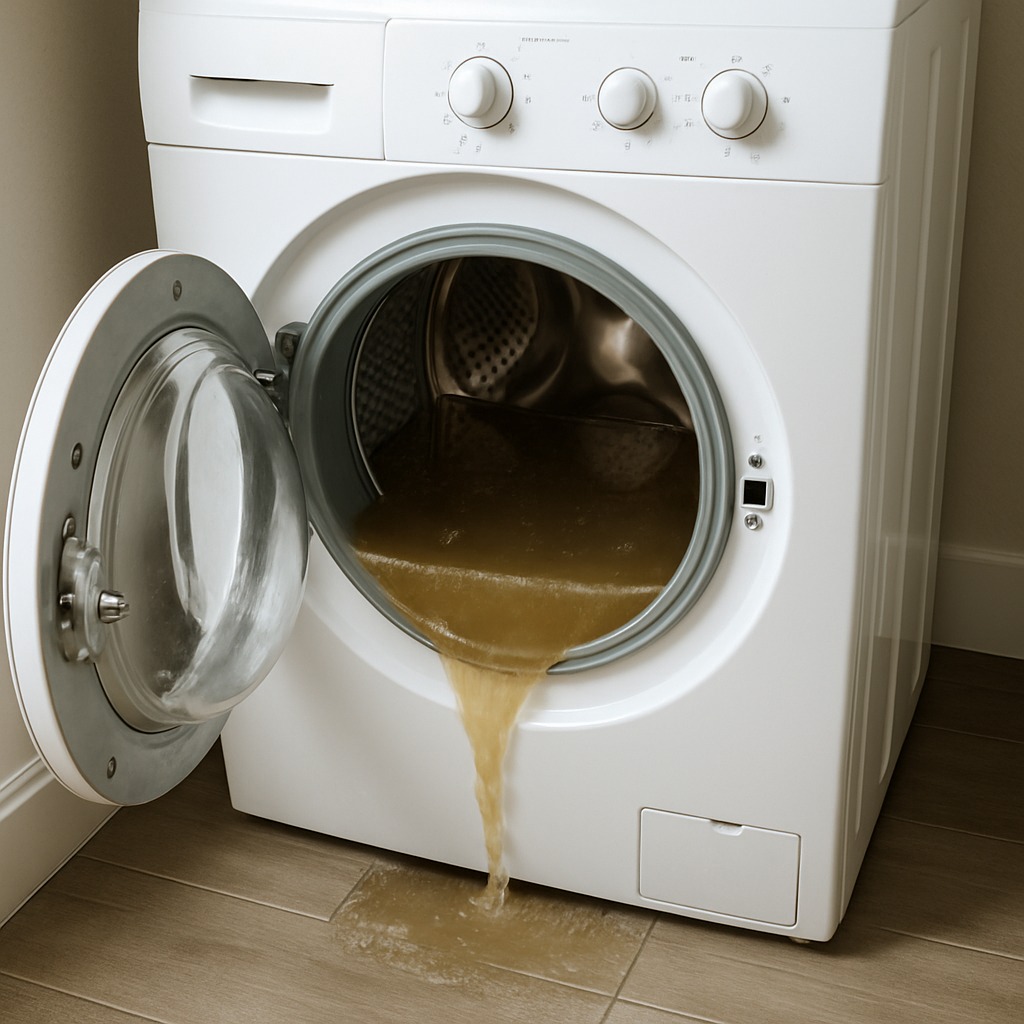
You started a load of laundry an hour ago, came back, and found your washing machine sitting in a tub of murky, soapy water that refuses to go anywhere. The cycle's done, the display shows no error, but your clothes are soaking in gray water and the drum won't spin out. This is one of the most common — and most urgently mishandled — appliance failures in any home. Left for even 48 hours, that standing water becomes a breeding ground for mold and mildew that can colonize rubber door seals, interior drums, and even adjacent drywall.
The good news: roughly 65% of washing machine drain failures stem from simple clogs or kinks that cost between $0 and $30 to fix yourself in under 20 minutes. The bad news: the other 35% involve failed drain pumps ($195–$455 installed), faulty control boards ($250–$500), or household plumbing blockages that require a licensed plumber. Misdiagnosing the problem can mean spending $300 on a pump you didn't need — or ignoring a slow plumbing clog that eventually sends water across your laundry room floor at 2 a.m.
This guide walks you through every cause — from a 10-cent coin jammed in the impeller to a corroded tub bearing — with real repair costs verified by licensed contractors, step-by-step DIY diagnostics, and clear triggers for when to call a professional. We built it to be the most thorough washer drain guide on the internet, and it is.
Symptoms: What You're Seeing
- Standing water in the drum after cycle completes: You open the lid or door expecting clean, damp clothes and instead find them sitting in 3–6 inches of murky, grayish water that smells faintly of mildew. The final spin cycle may have run, but the water never left. Clothes feel waterlogged and noticeably heavier than normal, and you may see lint or soap scum floating on the surface. The control panel may or may not show an error code depending on the brand.
- Slow drain with gurgling sounds from the standpipe: The machine appears to drain but takes 10–15 minutes instead of the normal 2–3 minutes. You hear a distinct gurgling or bubbling noise coming from the standpipe or the wall behind the washer. This gurgling indicates air is being pulled through the drain system because a partial blockage is restricting flow. Water may back up and overflow from the standpipe onto the floor during the drain cycle.
- Error code displayed mid-cycle — machine stops: Modern front-loaders and HE top-loaders will throw a drain-related error code—Samsung shows 5E or nd, LG shows OE, Whirlpool flashes F21 or F9 E1, GE shows C3. The machine halts mid-cycle, the door locks on front-loaders, and you cannot restart without manually draining. The display may flash repeatedly, and the machine emits a series of beeps or a continuous alarm tone that will not silence until the code is cleared.
- Foul sewer or rotten-egg smell near the washer: A sulfur-like or sewage odor drifts from the drain area, especially during or just after a wash cycle. This is distinct from ordinary mildew—it smells sharper, more chemical. It indicates standing water in the drain line has gone anaerobic, producing hydrogen sulfide gas. The smell intensifies when you move the drain hose or when the washer attempts to pump out water. You may also notice the smell in adjacent rooms.
- Washer vibrates excessively during spin cycle: When the drum cannot fully evacuate water before the spin cycle engages, the extra 15–25 pounds of retained water creates a severe imbalance. The machine rocks, walks across the floor, and produces loud banging or thumping sounds. You can feel the vibration through the floor in adjacent rooms. Over time this damages the shock absorbers, tub bearings, and can crack the outer tub—turning a $150 drain fix into a $600-plus machine replacement.
What's Actually Causing This
- Clogged drain pump filter or coin trap: Every front-load washer and many newer top-loaders have a small debris filter, usually located behind an access panel at the bottom-front of the unit. This trap catches coins, hair ties, bobby pins, pet hair, and lint. It needs cleaning every 3–4 months, but most homeowners never touch it. When it clogs, the pump cannot pull water from the drum. This is the single most common cause of a washing machine not draining, accounting for roughly 40–50 percent of service calls related to this issue.
- Kinked, collapsed, or improperly positioned drain hose: The corrugated drain hose that runs from the pump to the standpipe can kink behind the machine, especially if the washer has been pushed too close to the wall. The recommended clearance is 4–6 inches. Over time, the hose can also soften, collapse, or develop an internal blockage from accumulated detergent residue and fabric fibers. If the hose end is inserted more than 8 inches into the standpipe, or if it is less than 30 inches above the floor, siphoning can occur—draining water back into the drum or preventing proper flow entirely.
- Standpipe or household drain line blockage: The 2-inch standpipe connects to a P-trap and then to the home's main drain system. Lint, grease, dissolved detergent, and fabric softener residue accumulate in the P-trap and horizontal drain run over 2–5 years. A partial blockage here causes slow drainage and standpipe overflow; a full blockage causes complete backup. Homes with older cast-iron drain lines are especially prone because interior corrosion creates rough surfaces that catch debris. This cause is responsible for about 25–30 percent of drain-failure calls.
- Failed drain pump or lid switch malfunction: The drain pump is an electric motor with an impeller, typically rated at 25–120 watts depending on brand. After 5–8 years of daily use, the impeller vanes can crack, the motor bearings seize, or a small object like a underwire from a bra can jam the impeller. When the pump fails, you hear a hum but no water moves, or the pump is completely silent. On top-load washers, a defective lid switch can also prevent the drain cycle from engaging entirely—the machine thinks the lid is open and refuses to pump, even though the lid is closed.
After 20 years of appliance service calls, I can tell you the single most overlooked cause of a washer not draining is a small object — a coin, a bobby pin, a kids' sock — lodged in the drain pump impeller. On front-load machines, pull the small access door at the bottom-right corner, place a baking pan underneath, twist the filter cap slowly and let the water drain into the pan. Nine times out of ten you'll find debris jamming the impeller blades. This $0 fix takes 10 minutes and saves you a $175–$250 service call. Just remember: always unplug the machine first and have three to four bath towels ready because a full drum can release up to 5 gallons of water onto the floor.
Step-by-Step Diagnosis
Work through these steps before calling a contractor. Each step tells you what to look for and what it means.
Kill power and prepare for water removal
🔧 Wet/dry shop vacuumUnplug the washing machine from the wall outlet—do not just turn it off at the control panel. If the outlet is behind the machine, shut off the circuit at the breaker panel (typically a 20-amp dedicated circuit). Lay old bath towels on the floor around the base. For front-loaders, locate the emergency drain hose or the pump filter door at the bottom-front panel—pull the small hose, place the end in a shallow pan, and let gravity drain the water. For top-loaders without a filter door, use a wet/dry shop vacuum to suck water directly from the drum. You may remove 3–8 gallons depending on the load size and how much water remains. Keep children and pets out of the area. Wear rubber-soled shoes because the floor will be wet.
Clean the drain pump filter thoroughly
🔧 Flashlight, old toothbrush, shallow baking panOn front-load machines, twist the pump filter cap counterclockwise—have a towel and shallow baking pan directly underneath because residual water will pour out. Pull the filter straight out. Remove coins, hair, lint clumps, and any small objects. Inspect the impeller cavity behind the filter with a flashlight—spin the impeller by hand to confirm it turns freely. It should spin with light finger pressure and you should not feel grinding or resistance. Rinse the filter under running water, scrubbing the mesh with an old toothbrush. Reinstall by threading clockwise until snug—do not over-torque or you will crack the housing. If your top-loader lacks an accessible filter, skip to the next step and focus on the drain hose.
Inspect and clear the drain hose
🔧 Pliers or 5/16-inch nut driver, garden hosePull the washer away from the wall at least 18 inches so you can access the rear. Loosen the hose clamp connecting the drain hose to the pump outlet using pliers or a nut driver (usually 5/16-inch). Pull the hose off and inspect the interior—blow through it or run water through it with a garden hose to check for blockage. A buildup of gray sludge inside the hose is common after 3–5 years, especially in homes that use liquid fabric softener. If the hose is collapsed, cracked, or spongy, replace it—universal drain hoses cost $12–$22 at any home center. When reattaching, ensure the hose has no kinks and the end sits 30–36 inches above the floor at the standpipe. Insert the hose no more than 6–8 inches into the standpipe and secure it with a zip tie or hose clip so it cannot slide in deeper.
Clear the standpipe and P-trap
🔧 1/4-inch or 3/8-inch hand drain snake (drum auger)Remove the drain hose from the standpipe. Shine a flashlight into the standpipe—if you see standing water at the top, the P-trap or line beyond it is blocked. Feed a 1/4-inch or 3/8-inch hand drain snake (also called a drum auger) into the standpipe, cranking clockwise as you push. Feed it at least 6–10 feet to clear past the P-trap and into the horizontal branch line. When you feel resistance, keep cranking—you are likely hitting the clog. Pull the snake back and clean the debris off the cable. Run 2–3 gallons of hot water down the standpipe to confirm it drains freely without backing up. If water still stands, the clog is deeper and a professional-grade power auger or hydro-jet is needed. Do not use chemical drain cleaners in a standpipe connected to a washer—they can damage pump seals and corrugated hoses.
Reassemble, test, and verify proper drainage
🔧 Torpedo level, crescent wrenchReconnect the drain hose to the pump outlet and tighten the clamp. Reinsert the hose into the standpipe at the correct height and depth. Push the washer back into position, maintaining at least 4 inches of clearance from the wall to prevent hose kinking. Level the machine using a torpedo level across the top—adjust the front feet by hand and lock them with the lock nut using a crescent wrench. Plug the machine back in and run an empty rinse-and-spin cycle on the shortest setting. Watch the standpipe during the drain phase—water should exit without any overflow, gurgling, or backup. Open the drum after the cycle completes and confirm there is no residual standing water. If everything drains cleanly, run a hot wash cycle with 2 cups of white distilled vinegar to flush residual grime from the pump and hoses.
When to Stop DIY and Call a Pro
Stop DIY and call a licensed plumber if the standpipe overflows onto the floor even after snaking, if you smell raw sewage continuously, or if the washing machine drain backs up into a floor drain, utility sink, or bathtub—this indicates a main sewer line issue, not a local washer clog. Also call a pro if the drain pump hums but does not move water after you have confirmed the impeller is clear, because the pump motor has likely failed and requires electrical testing with a multimeter to confirm. If your home has cast-iron drain lines and the snake hits resistance you cannot clear at 10 feet, a plumber with a power auger or hydro-jetter ($250–$450 service) will resolve it far faster than repeated hand-snaking. Any time you see water damage on drywall, subflooring, or adjacent rooms, a professional needs to assess structural damage before you resume using the washer. As a financial rule of thumb, if you have spent more than 2 hours troubleshooting or the repair parts exceed $150, a professional service call at $150–$300 is the better investment because you get a warranty on the work and a diagnosis of any secondary problems.
What Does This Repair Cost?
Costs vary by region, home age, and severity. These are national averages — always get 3 quotes.
| Repair Type | DIY Cost | Pro Cost | Emergency Premium |
|---|---|---|---|
| Drain filter/hose clog removal | $0–$12 | $100–$175 | $175–$300 |
| Drain pump replacement | $45–$180 | $195–$455 | $350–$600 |
| Control board replacement | Not recommended | $250–$500 | $400–$650 |
| Emergency after-hours service call | N/A | $150–$250 | $250–$400 |
*Emergency rates (nights/weekends/holidays) run 40–60% above standard. Get 3 quotes before approving work.
Get quotes from licensed professionals in your area
Free, no obligation — compare 3+ contractors in minutesWhat Drives the Cost?
| Cost Factor | Estimated Impact | Why It Matters |
|---|---|---|
| Machine brand and part availability | Adds $50–$200 | European brands like Bosch and Miele use proprietary drain pumps that cost 2–3× more than generic parts for Whirlpool or GE |
| After-hours or weekend service | Adds $75–$175 | Most appliance repair companies charge a 50–100% premium for evening and weekend emergency calls |
| Standpipe or household drain line clog | Adds $150–$350 | If the issue is your plumbing rather than the machine, a plumber's snake or hydro-jet service is an additional cost on top of any appliance repair |
| Machine age (8+ years) | Saves $200–$400 long-term | Replacing an aging machine instead of repairing it avoids the cascading failure cycle where one worn part stresses others within 6–12 months |
Here's a red flag most homeowners miss: if your washer drains fine on a small load but fails on a full load, the problem likely isn't the machine at all — it's your home's standpipe or drain line. Building codes require a standpipe height between 18 and 30 inches, but older homes often have pipes that are too short or partially blocked with years of detergent and lint sludge. A plumber can snake the line for $150–$250, but if you're handy, a $30 drain bladder attached to a garden hose clears about 70% of partial clogs. In regions with hard water — Phoenix, parts of Texas, the upper Midwest — mineral scale inside the drain line accelerates this problem. Annual enzyme-based drain treatments ($8–$15 per bottle) prevent buildup and can save you a $200+ plumber visit every couple of years.
⚠️ Stop DIY — Call a Pro If You See These
- Water backing up into floor drains or bathtub when the washer runs — This indicates a main sewer line blockage, not just a washer drain issue. Within 1–2 weeks of ignoring this, you risk a full sewage backup in the home, which costs $2,000–$8,000 to remediate and can require tearing out flooring and drywall.
- Visible mold or dark staining on drywall behind or beside the washer — Moisture has already penetrated the wall cavity. Mold colonies become established within 48–72 hours of sustained moisture. Remediation costs $500–$3,000 depending on spread, and extended exposure creates respiratory health risks for all occupants.
- Burning smell or tripped breaker when the washer attempts to drain — The drain pump motor is overheating due to a seized impeller or failed winding. Continuing to run the machine risks an electrical short or fire. Pump replacement costs $120–$250 installed; ignoring it can destroy the control board, adding $200–$400 to the repair.
- Washer continuously fills and drains without completing a cycle — The drain hose is siphoning because it sits too low or is pushed too far into the standpipe. The machine refills to compensate, wasting 30–50 gallons per cycle. Your water bill can spike $40–$80 per month, and the constant pump operation burns out the motor within 2–4 months.
Frequently Asked Questions
How much does it cost to fix Washing Machine Not Draining?
The national average for a plumber-resolved washing machine drain issue runs $150–$350 for a service call that includes diagnosis and clearing a clogged standpipe or P-trap. On the low end, a simple pump filter cleaning is free if you do it yourself, and a replacement drain hose costs $12–$22 plus 30 minutes of labor. On the high end, a main sewer line clog requiring hydro-jetting runs $350–$600, and a full drain pump replacement with parts and labor costs $200–$350. The two biggest factors that move the price are whether the clog is localized to the washer or involves the home's main drain, and whether you need a pump replacement versus a simple line clearing.
Can I fix Washing Machine Not Draining myself?
Yes, in roughly 60–70 percent of cases. If the problem is a clogged pump filter, kinked hose, or a blockage within the first 6–8 feet of the standpipe, a homeowner with basic tools and a $25 hand drain snake can resolve it in 30–90 minutes. You do not need plumbing experience—you need the ability to unplug the machine, remove a filter cap, and feed a snake into a pipe. However, if the issue involves a failed pump motor, a deep mainline blockage, or if water is backing up into other fixtures in the home, a licensed plumber is necessary because specialized equipment and diagnostic skills are required.
How urgent is Washing Machine Not Draining?
Moderately urgent—you have a window of 24–48 hours before secondary damage becomes likely. Standing water in the drum breeds bacteria and mildew within 24 hours, producing odors that are difficult to remove from clothes and the drum gasket. If water has overflowed onto the floor, every hour matters because moisture wicks into subfloor materials and drywall. Address it the same day if water is on the floor. If the water is contained in the drum, you can safely wait 1–2 days while troubleshooting, but do not run additional cycles until the issue is resolved—you will just add more water to an already backed-up system.
What causes Washing Machine Not Draining?
The three most common causes, in order of frequency, are a clogged drain pump filter (40–50 percent of cases), a blocked or improperly positioned drain hose (20–25 percent), and a standpipe or P-trap clog from accumulated lint and detergent sludge (25–30 percent). Less common causes include a failed drain pump motor (5–10 percent of cases, usually in machines older than 6 years) and a defective lid switch on top-loaders. The pump filter clogs fastest in households with pets, because pet hair bypasses the lint trap and accumulates in the filter within 8–12 weeks.
Will homeowners insurance cover Washing Machine Not Draining?
Standard homeowners insurance does not cover the repair of the washer itself or clearing the clogged drain—these are considered maintenance issues. However, if the washer overflow causes sudden water damage to your flooring, walls, or personal property, that resulting damage is typically covered under the dwelling and personal property sections of your policy, minus your deductible (commonly $1,000–$2,500). Gradual or repeated leaks are generally excluded. If you have a home warranty plan (a separate product from insurance), it usually covers washer mechanical failures including the drain pump, with a $75–$125 service call fee. File a claim before hiring an outside plumber, or the warranty company may deny reimbursement.
How do I find a licensed plumber for this?
First, verify the plumber holds a valid state or municipal plumbing license—you can check this on your state's contractor licensing board website. Second, confirm they carry general liability insurance (minimum $500,000) and workers' compensation coverage so you are not liable for injuries on your property. Third, request a written quote before any work begins—a reputable plumber will diagnose for a flat fee of $50–$100 and apply that toward the repair if you proceed. Fourth, check at least two recent references or review platforms like Google Business Profile for ratings above 4.0 stars with more than 20 reviews. Avoid any plumber who quotes over the phone without seeing the problem or demands full payment before starting work.
Three decisions determine whether a washing machine drainage problem costs you $0 or $3,000-plus. First, identify the cause before spending money—clean the pump filter, inspect the drain hose for kinks or collapses, and check the standpipe for blockages. Over half of all non-draining washers are fixed at the pump filter alone. Second, know your limits. If water is backing up into other fixtures, if you smell continuous sewage, or if the pump motor is dead, a licensed plumber with the right equipment will resolve the problem in one visit, saving you the cost of trial-and-error parts and potential water damage. Third, act within 24–48 hours. Standing water creates mold, odors, and subfloor damage that quickly outpace the cost of the original repair.
Your recommended next step: unplug the machine right now, clean the pump filter if your model has one, and inspect the drain hose for kinks. If those two actions do not restore drainage, feed a hand snake 6–10 feet into the standpipe. If the problem persists after all three steps, call a licensed plumber for a diagnostic visit—expect to pay $150–$300 for a complete resolution. Do not run another wash cycle until the drain is confirmed clear, and mark your calendar to clean the pump filter every 90 days going forward to prevent recurrence.
Ready to Solve This for Good?
Get matched with pre-screened, licensed plumbers in your area. Free quotes, no obligation, no spam.
GET FREE QUOTES NOW